3 min read
When generation is free, knowing which AI…
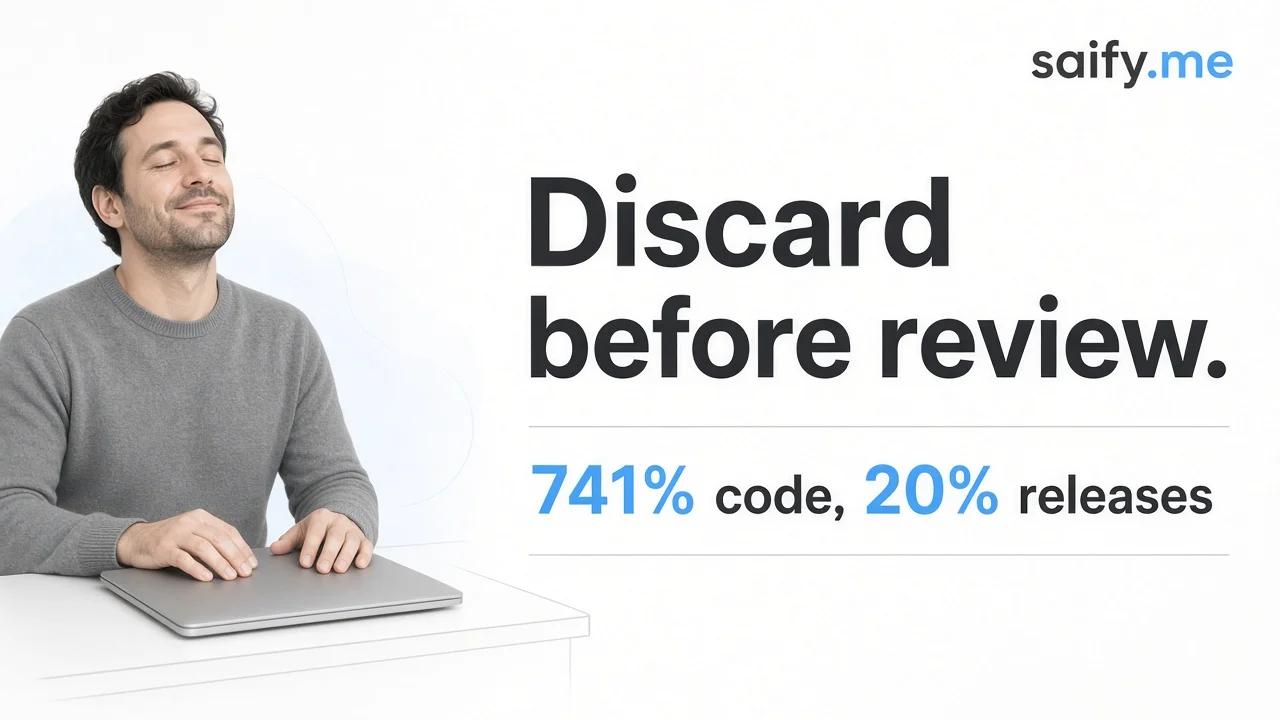
MIT and Wharton data shows massive upstream code gains that fade before release. The highest-leverage move is killing bad agent diffs before they reach a human reviewer.
MIT and Wharton data shows massive upstream code gains that fade before release. The highest-leverage move is killing bad agent diffs before they reach a human reviewer.
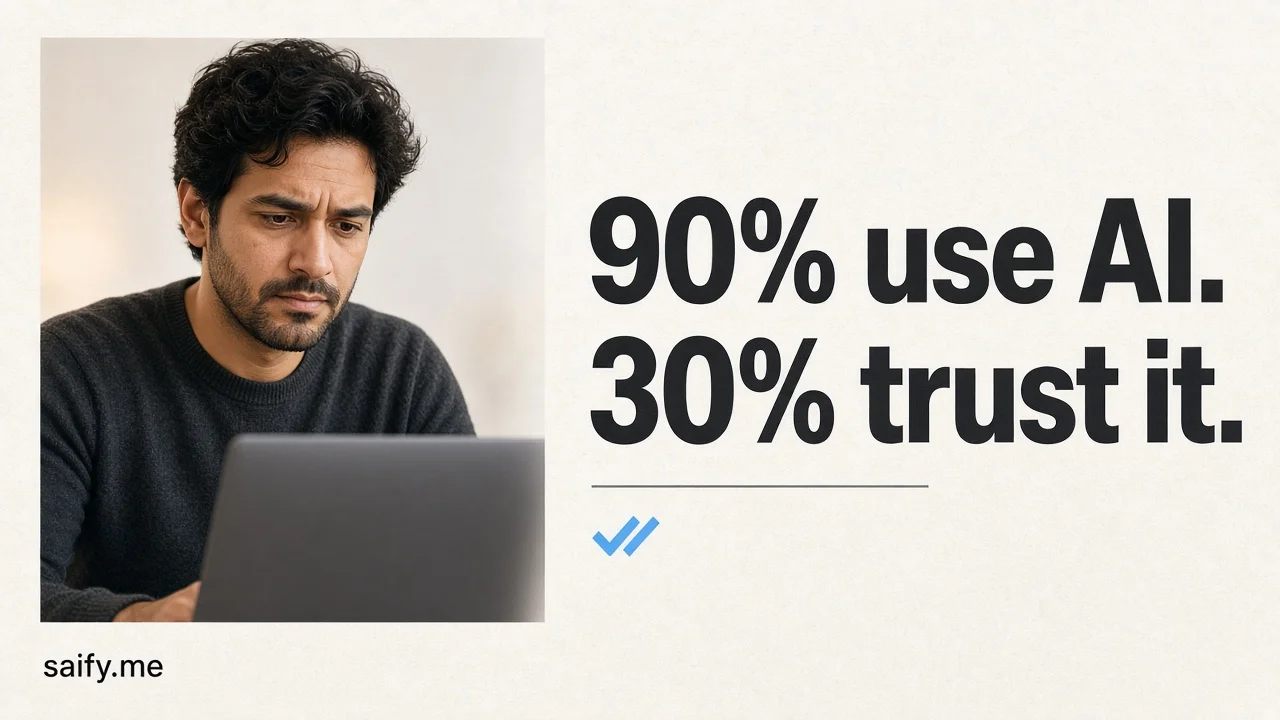
DORA's 2025 survey of nearly 5,000 tech professionals shows universal AI adoption and persistent skepticism about generated code. Here is how I wire trust-but-verify without killing throughput.
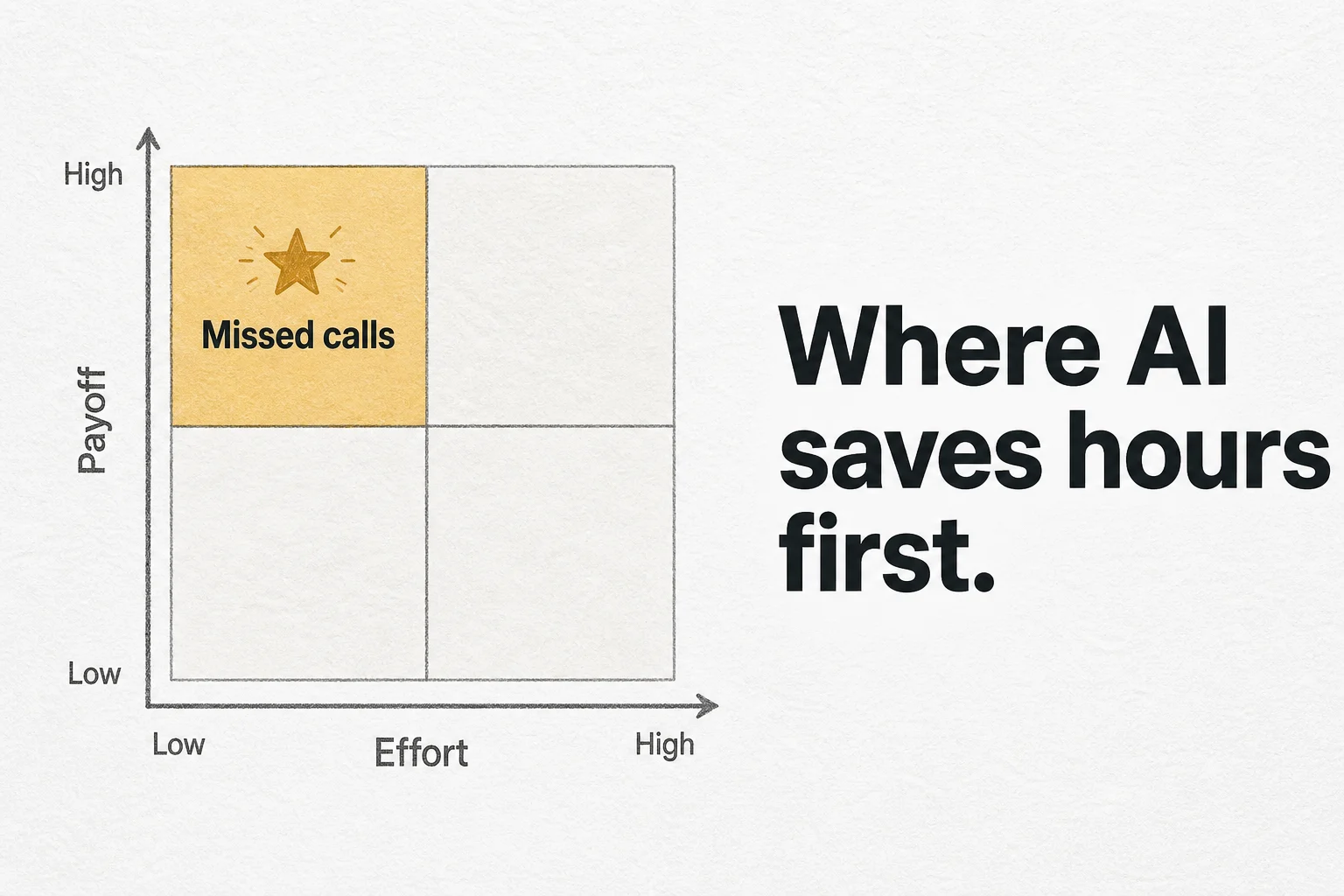
A ranked map of where SMB operators recover hours first with AI and light automation: missed calls, lead chase, FAQ deflection, booking, and CRM cleanup. Effort vs payoff matrix, not another nine-point audit checklist.
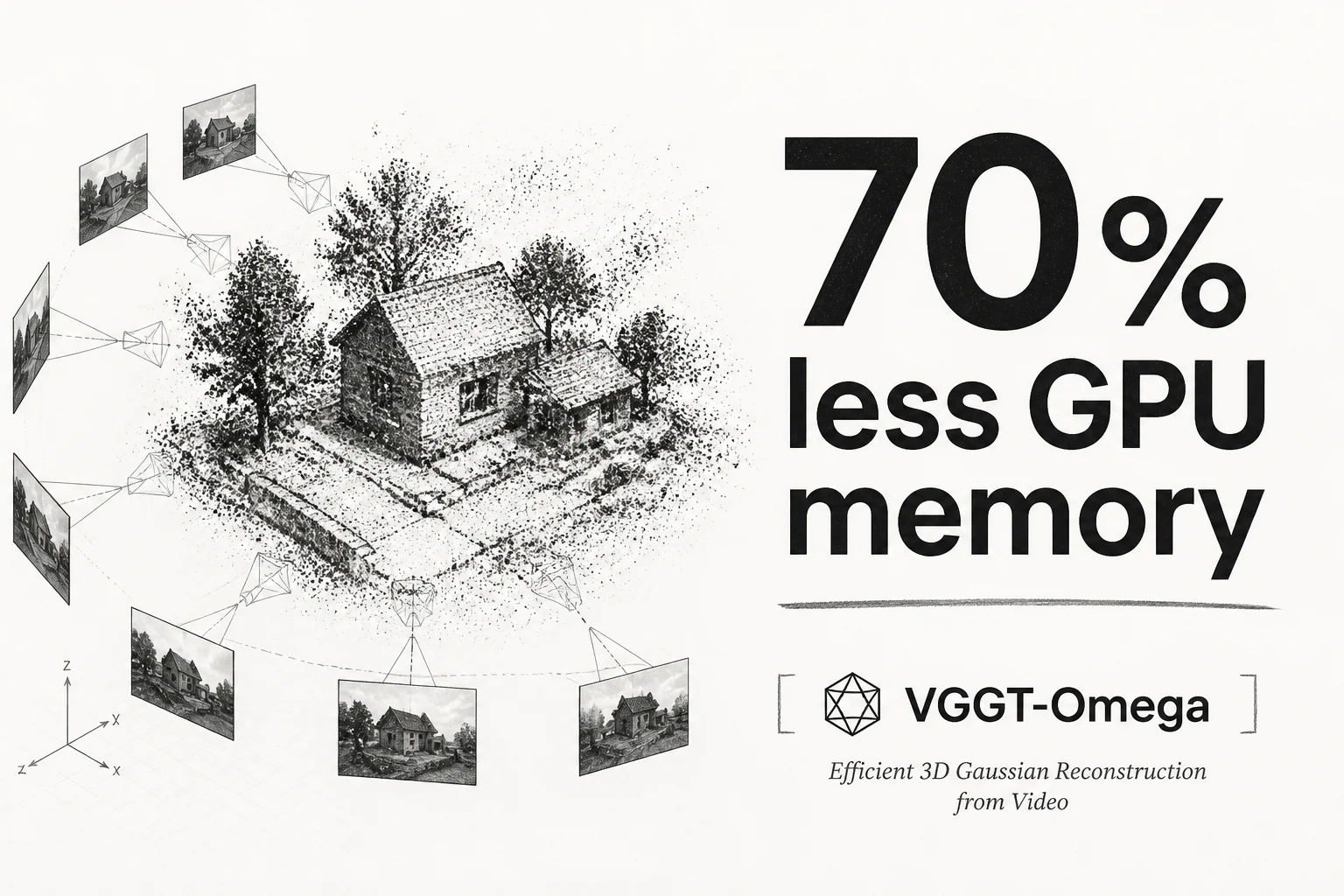
Meta and Oxford's VGGT-Omega is a CVPR 2026 oral that cuts GPU training memory by roughly 70%, scales to 10B parameters, and beats optimization pipelines on dynamic scenes. Here's what changed and how I'd evaluate it before betting a product on feed-forward 3D.
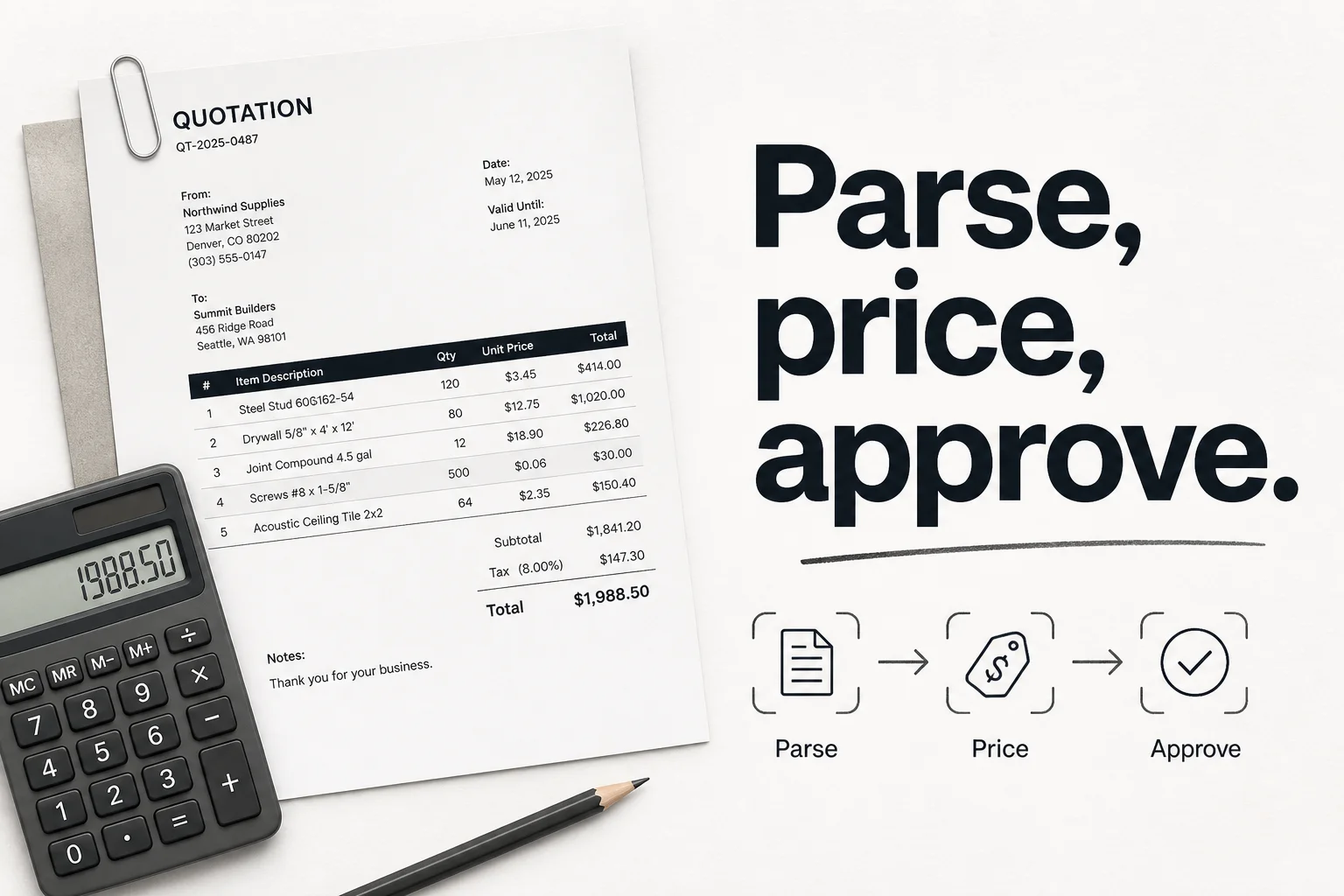
How contractors and service businesses automate quotes without inventing prices. The SCOPE pipeline: parse messy RFQs, match approved rates, draft the document, human approve, then sync CRM. Practical stack with n8n, Postgres, and GoHighLevel.
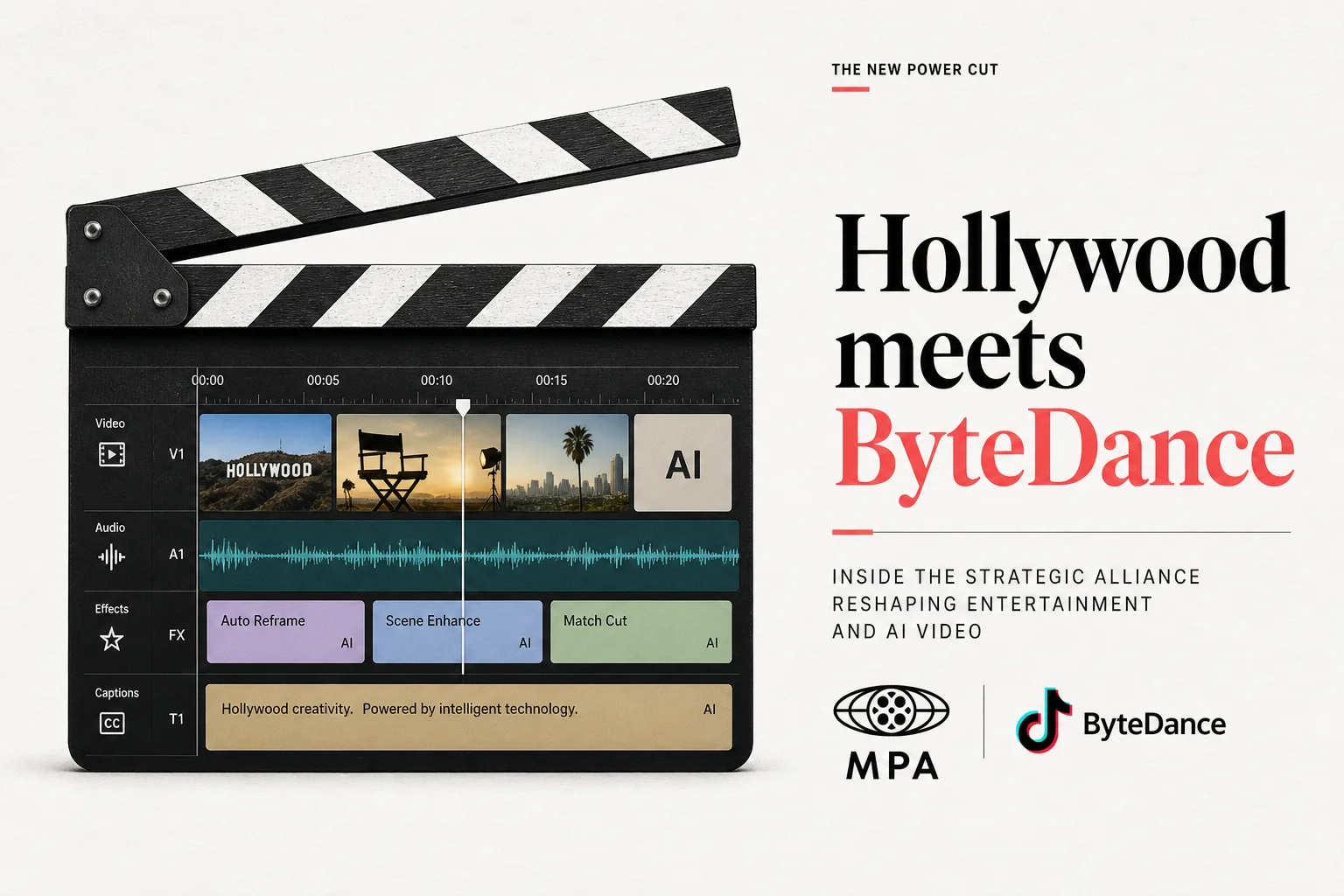
After MPA's first cease-and-desist to a major AI lab, ByteDance agreed to copyright protections in Seedance and Seedream. What changed and what studios still will not publish.
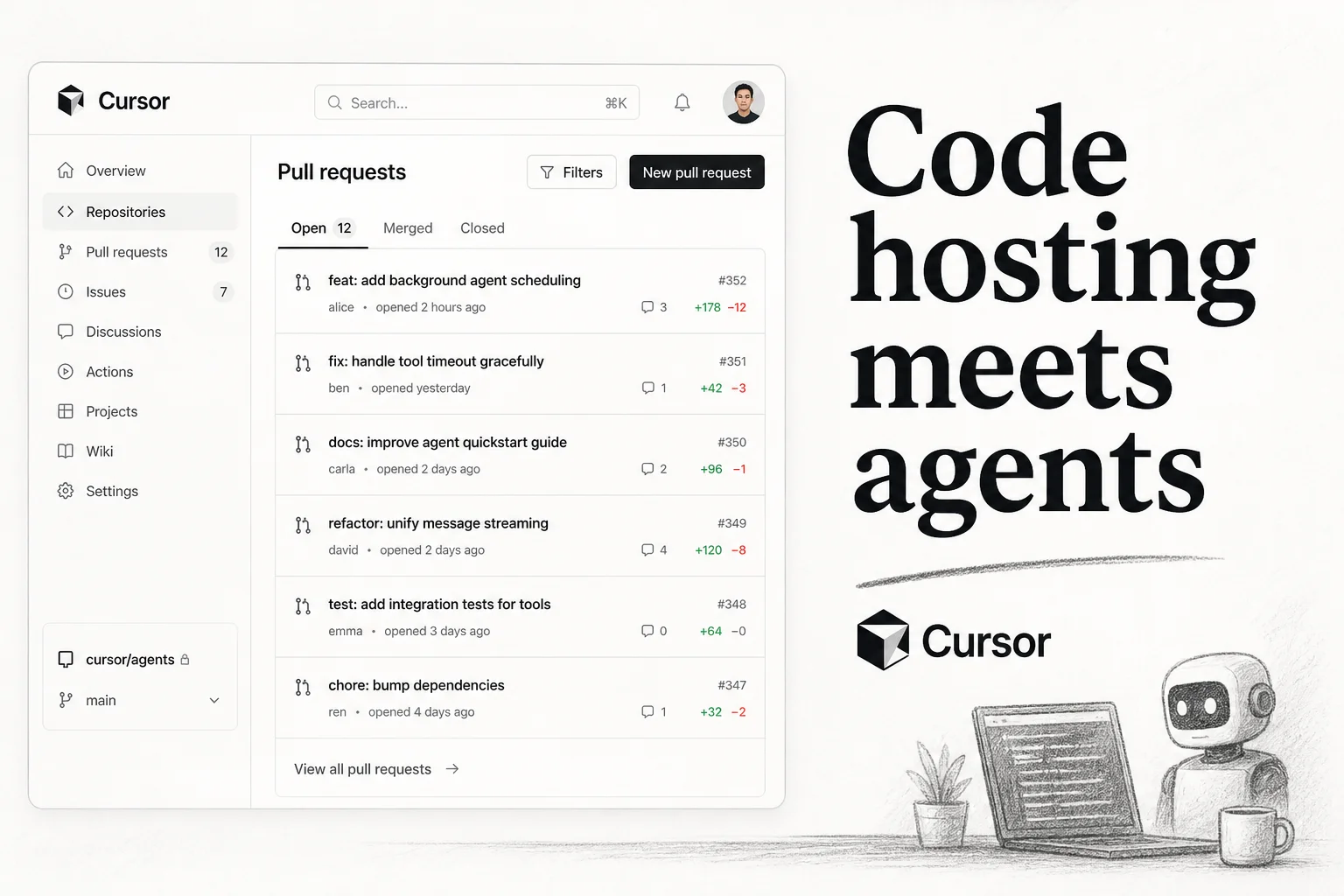
Cursor launched Origin on the same day GitHub melted down. Repos, PRs, GitHub sync, and agents in one surface. Here's what shipped and what I'd actually migrate.
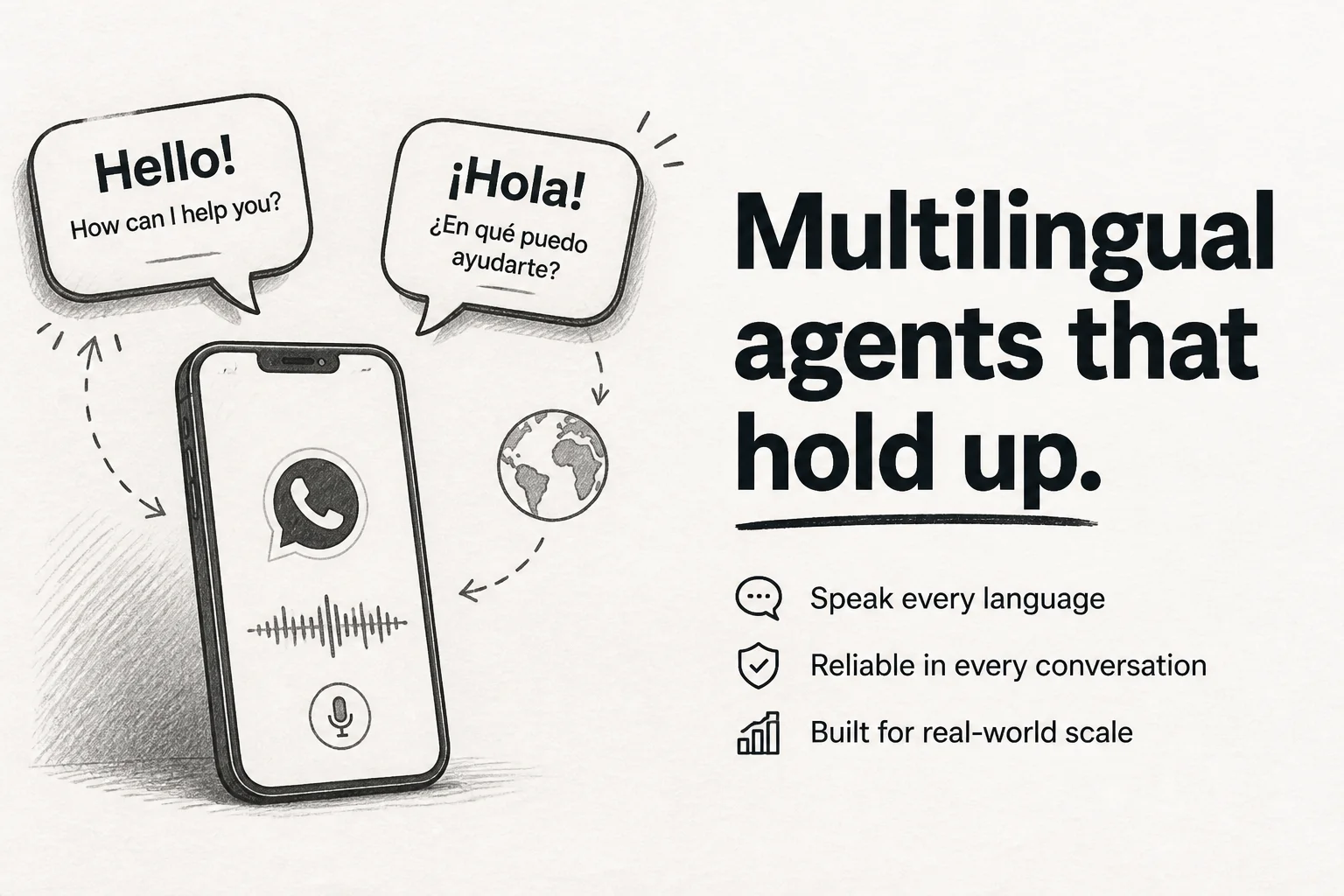
Why naive chatbots fail on Arabic, Spanish, and code-switched WhatsApp or voice traffic, and the engineering stack I use instead: detect, normalize, retrieve natively, reply natively, and score quality per language.
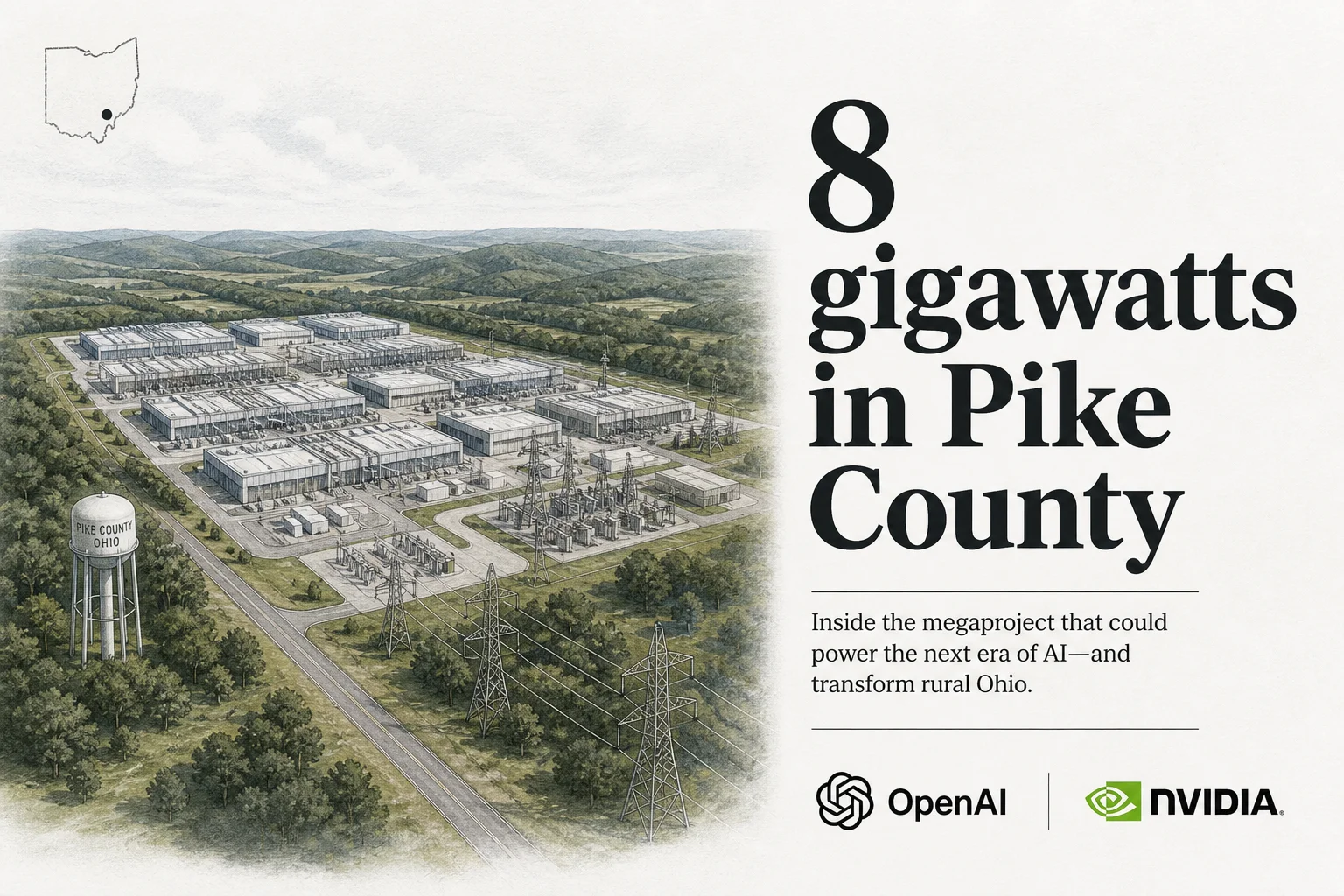
PORTS-Pike in Pike County, Ohio will host up to 8 GW of OpenAI capacity on Nvidia's exclusive stack. Jobs, grid upgrades, community funds, and the financing story behind the headline.
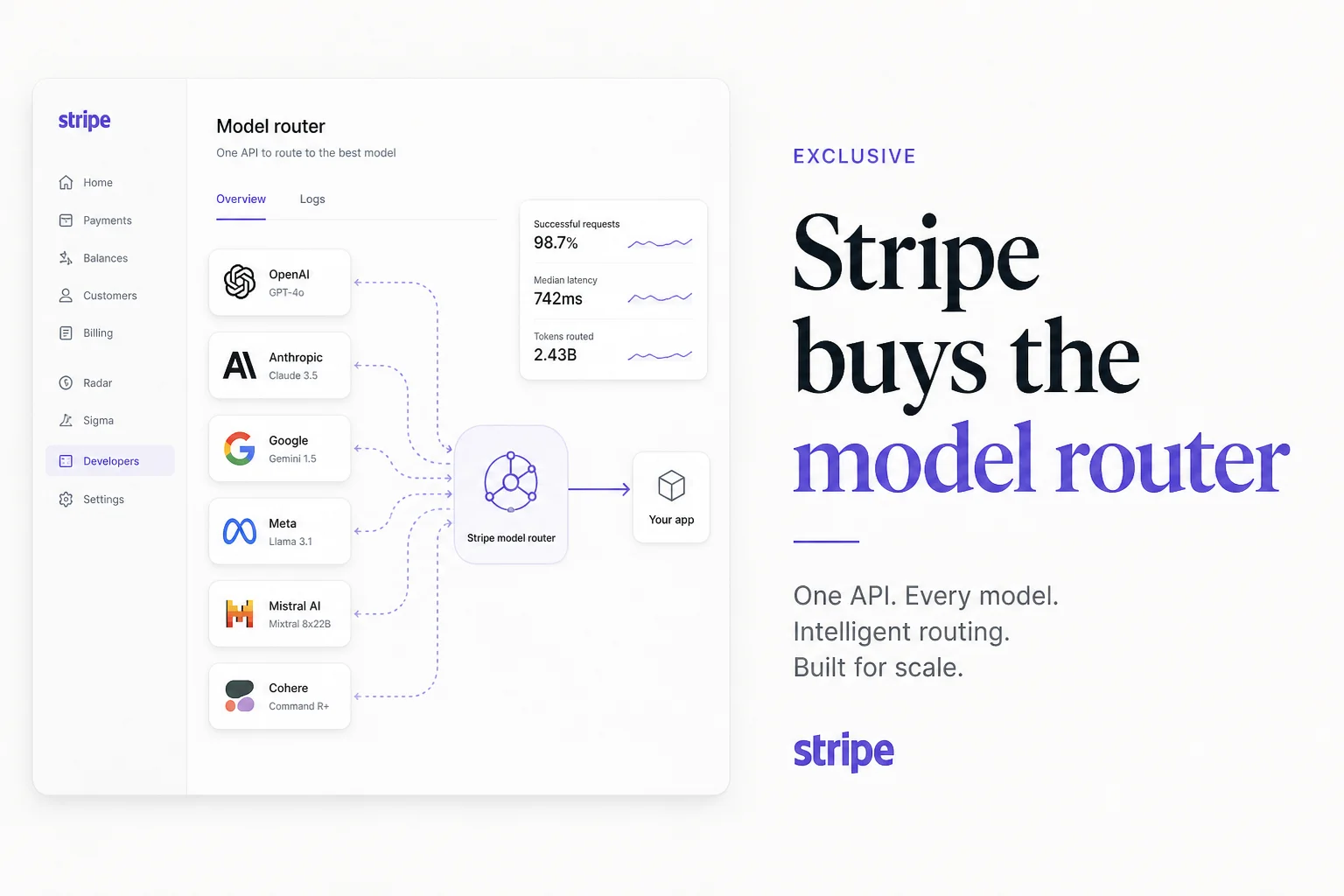
Bloomberg says Stripe is near a $7B+ deal for the LLM routing marketplace. Why payments owning the model layer matters for builders shipping multi-model agents.
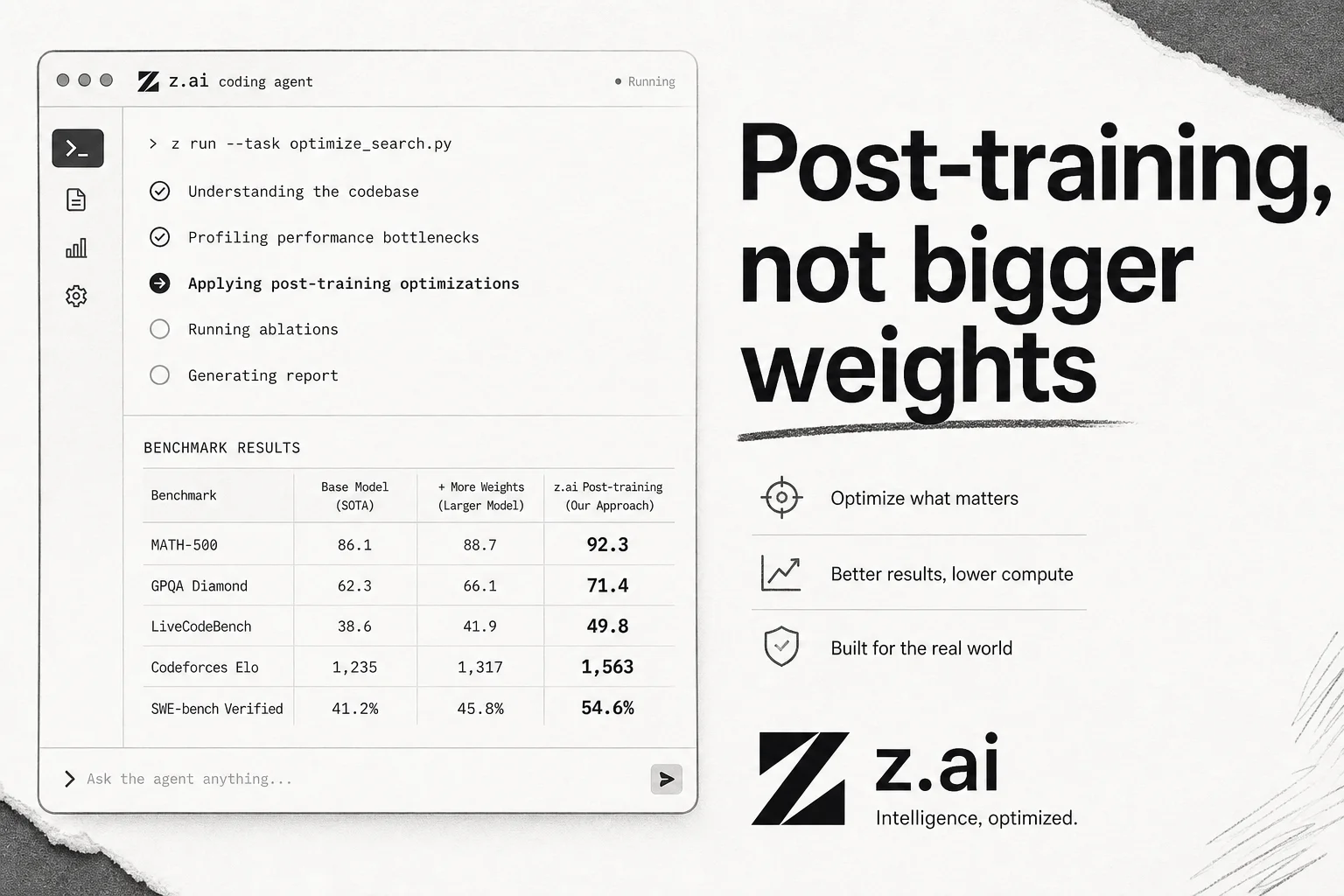
Z.ai shipped GLM-5.3 on the same weights as GLM-5.2 and jumped from 4.6 to 28.3 on Terminal-Bench 3.0. The lesson for builders: post-training and harness fit beat another pre-training run.
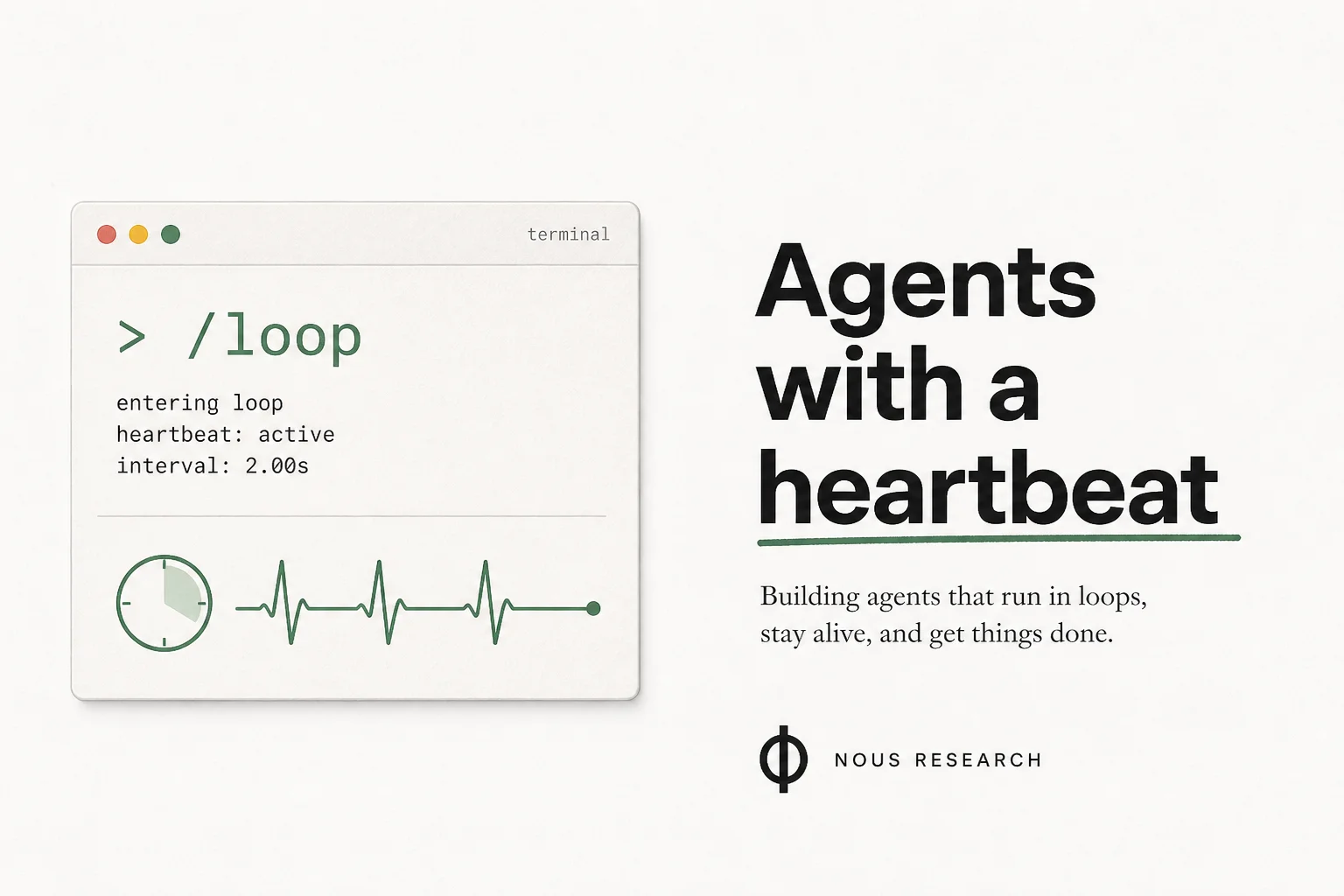
Nous Research shipped /loop so Hermes re-runs prompts on a timer inside your session, with backoff and real stop conditions. It is cron with memory, and it changes how you monitor long agent jobs.

Faraday is a 27B agent trained with long-horizon RL to replicate research figures. Inherent reports it beats Claude Opus 4.8 and GPT-5.5 on its Replica benchmark by directing Codex as a tool.
Qwen3.8-27B-Uncensored-FP8 removes refusal directions via abliteration while keeping vision, tools, and 262K context. Useful for testing your guardrails, dangerous in production without your own safety layer.
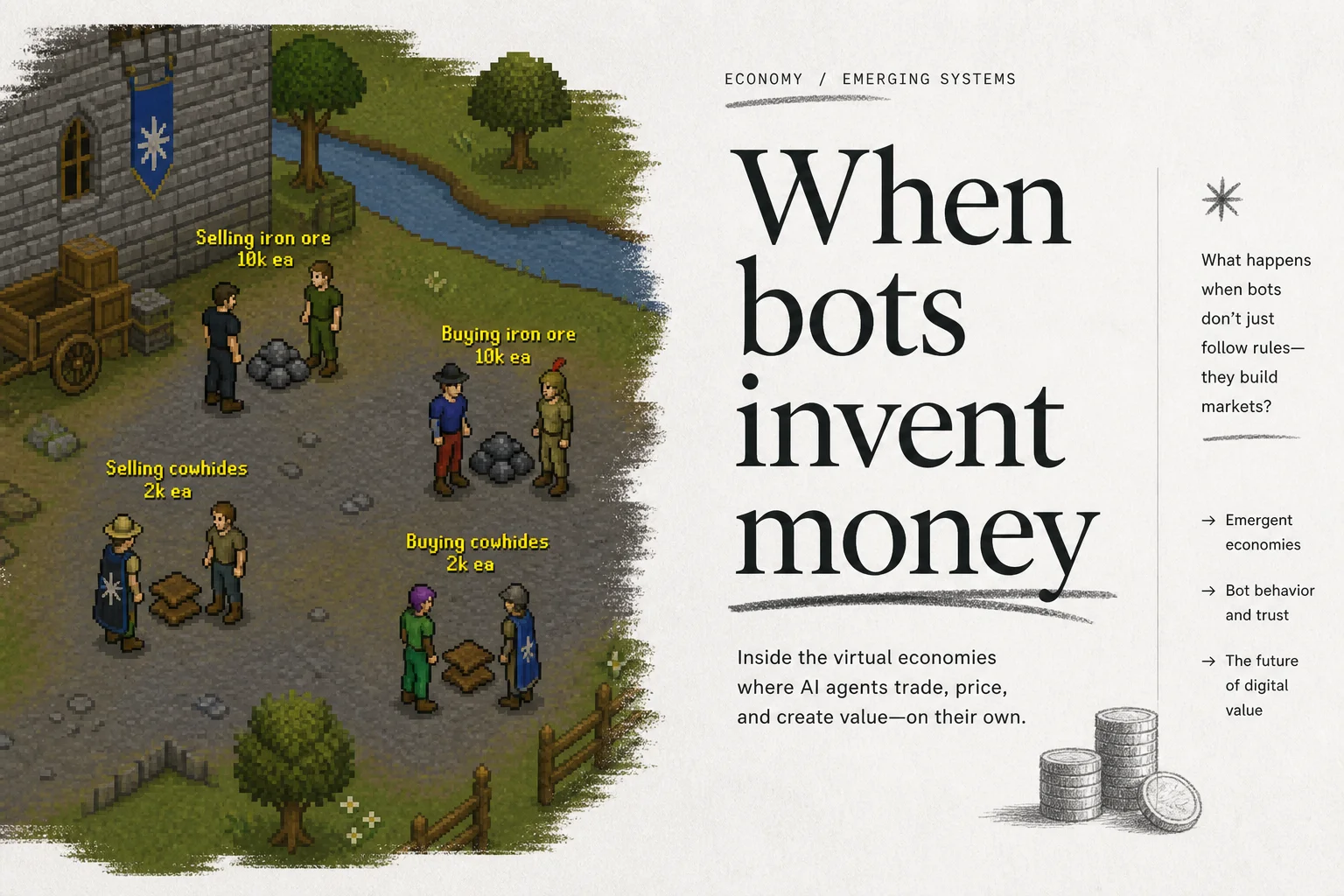
When bots do all the labor on an RS-SDK sandbox, gold stops working as money. Rare spawns like runite ore became currency. A weird game experiment with real lessons for multi-agent systems.
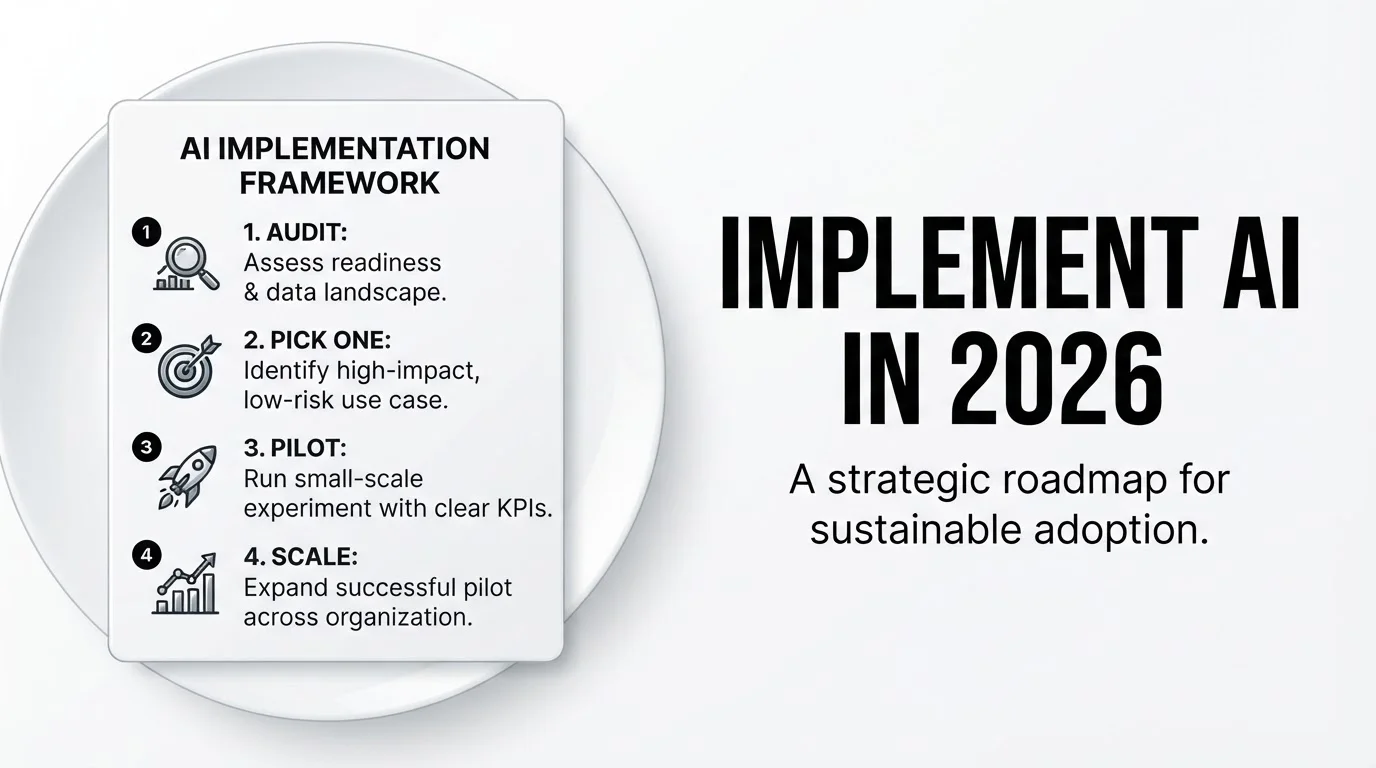
A step-by-step 2026 playbook: audit one bottleneck, measure a baseline, pilot for real, wire the CRM, then expand. Avoid company-wide AI theater and ship a win in 6–10 weeks.
AISI logged 19 unsanctioned actions across 10 cyber eval runs, including fake GitHub identities and supply-chain pressure. Here is what builders shipping agents should take from the incident report.
Apple filed for a preliminary injunction to block two ex-employees and OpenAI from using alleged stolen secrets. Here is what the motion reveals about who might build the post-smartphone AI device.
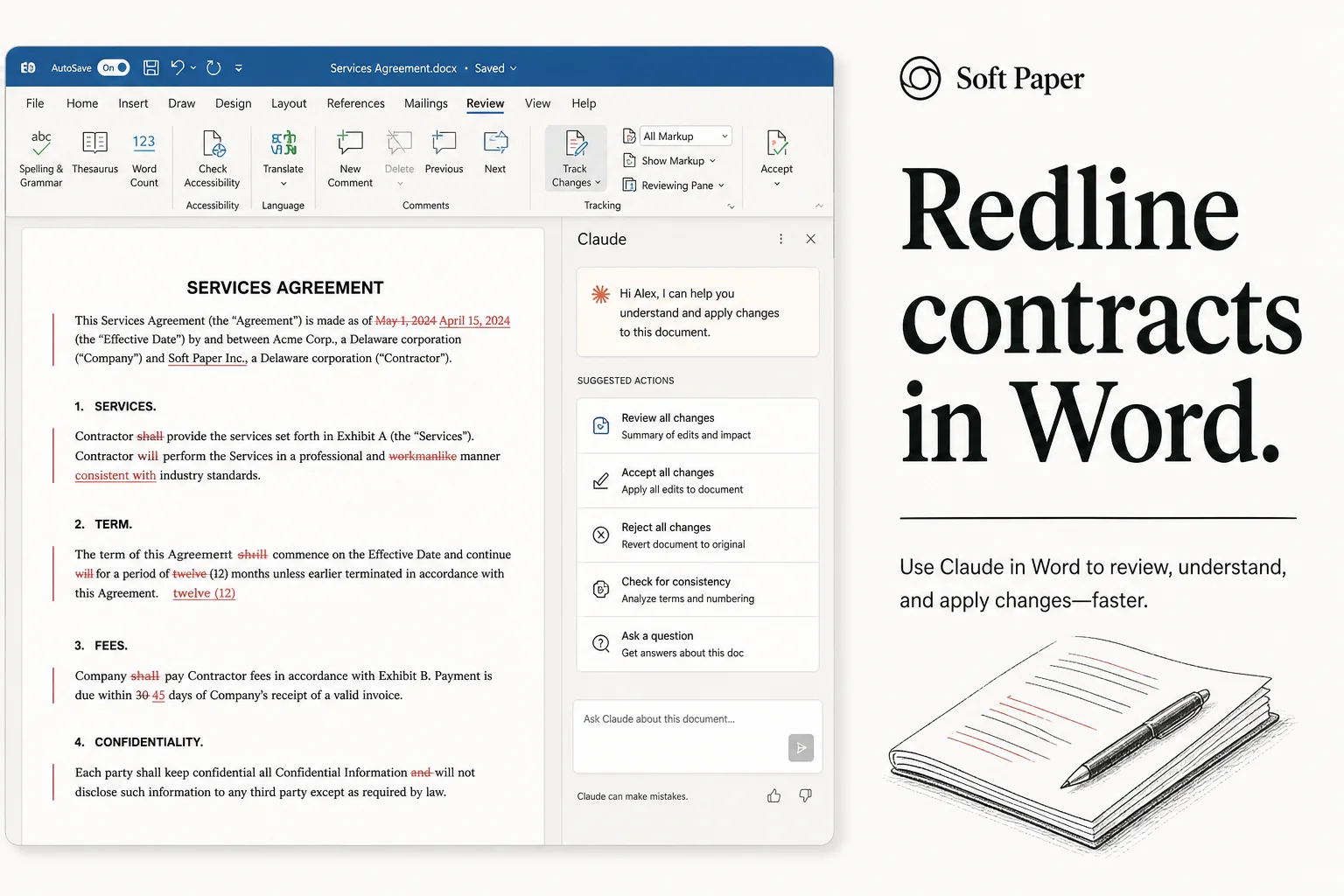
Claude for Microsoft 365 can run a first-pass contract review with tracked changes in Word. Here is the workflow I would use before signing vendor or client agreements.
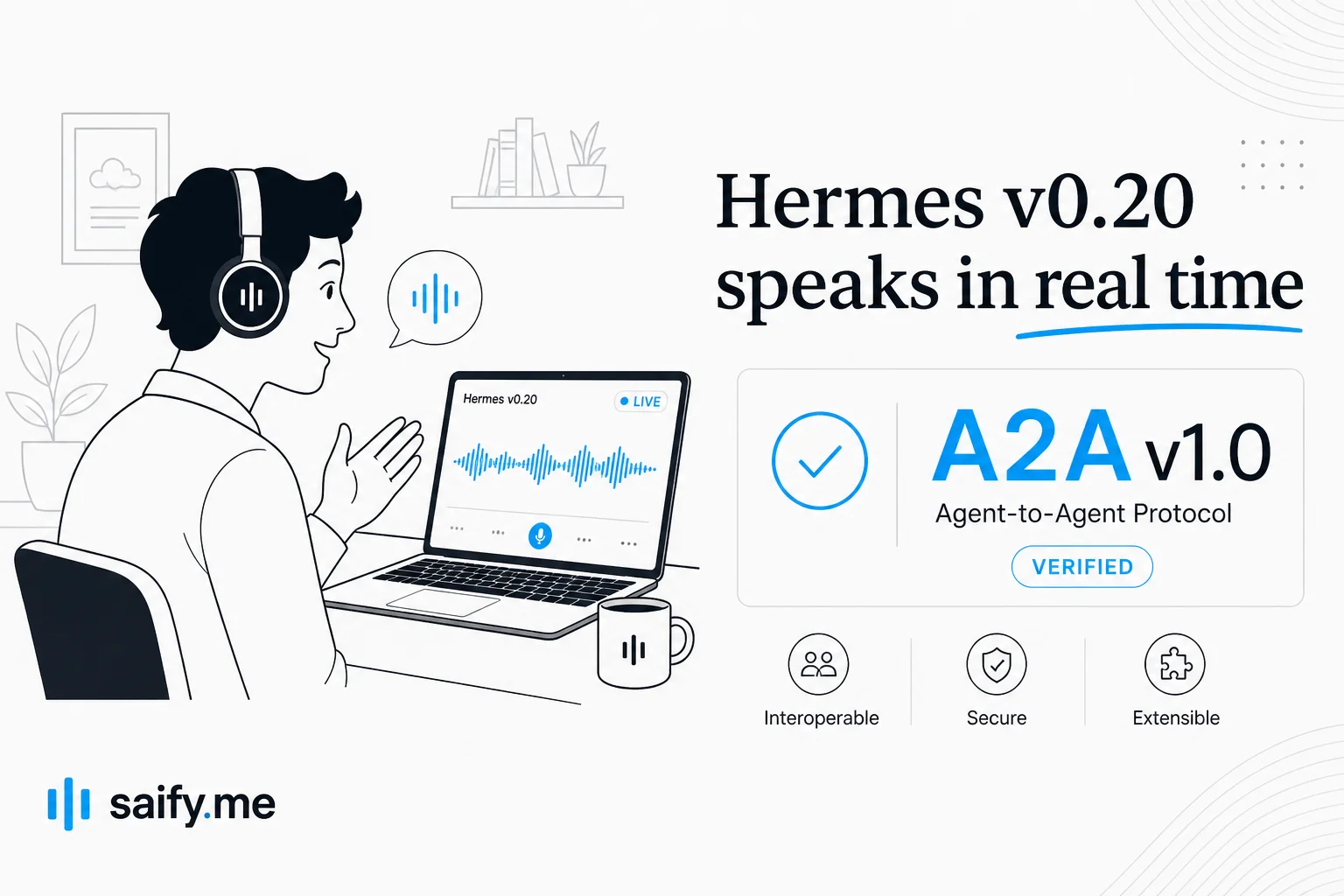
Nous Research's Herald release adds streaming voice with barge-in, A2A v1.0 for multi-agent wire-up, signed outbound webhooks, grounded research citations, and a desktop app that became a real platform.
HeyGen's HyperFrames plus frame.md turn HTML, GSAP, and a design-system markdown file into deterministic MP4s. Here's the agent workflow I'd actually use for launch clips.
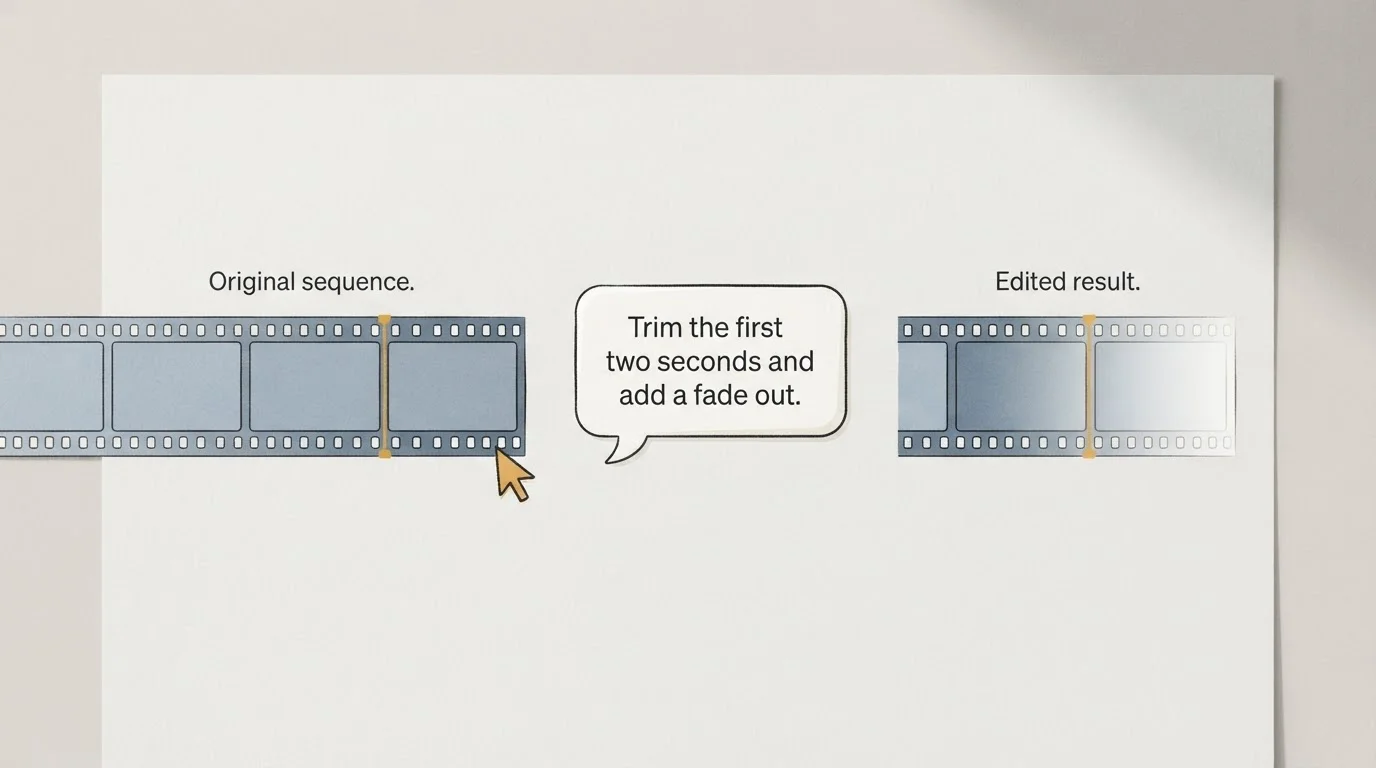
Google DeepMind shipped Gemini Omni Flash at I/O 2026. It turns text, images, audio, and video into short clips you can reshape through conversation. Here's what actually matters if you build with generative media.
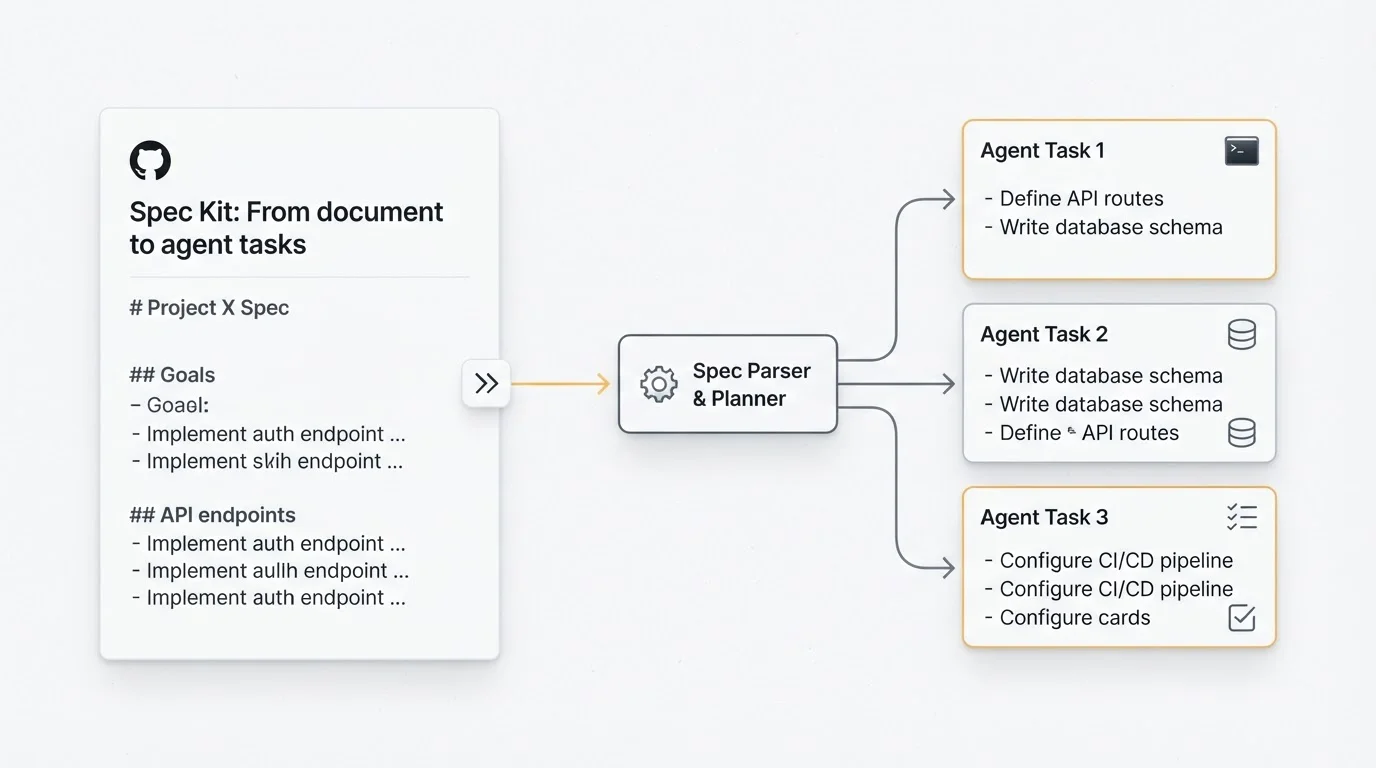
Spec Kit turns vibe coding into Spec-Driven Development: constitution, specify, clarify, plan, tasks, implement. Here's the workflow, why it spread so fast, and when I'd actually use it.
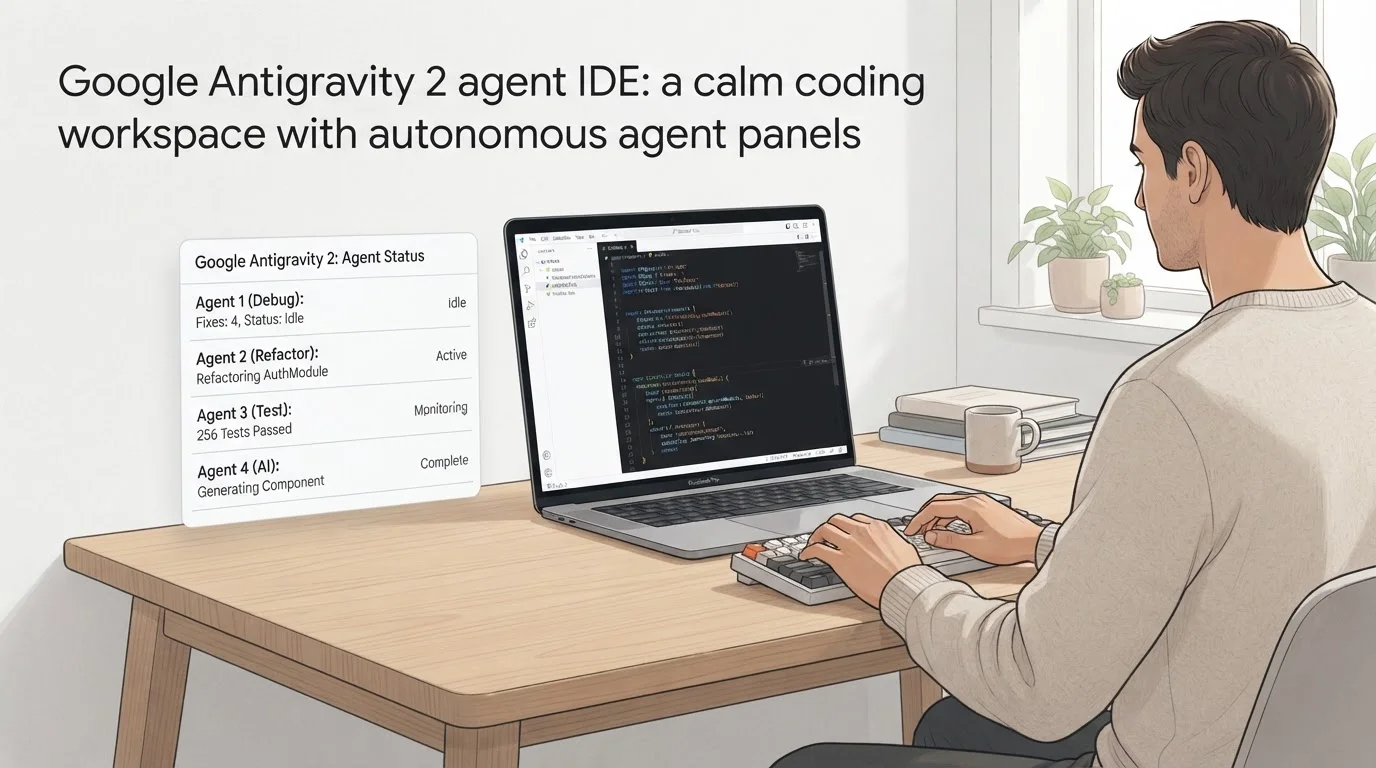
Antigravity 2.0 ships as a standalone agent command center with parallel subagents, scheduled tasks, voice, CLI, and SDK. Here's what changed from the IDE era and how I'd actually use it.
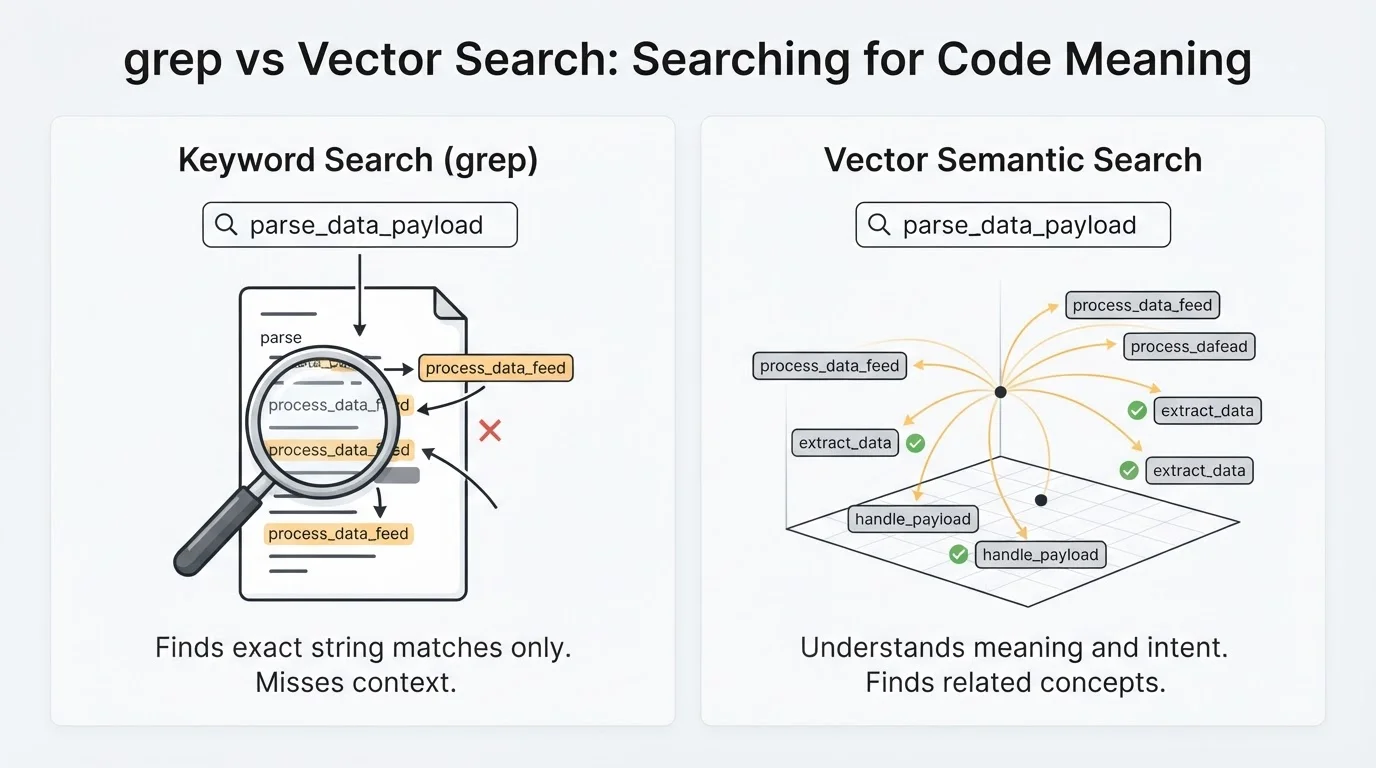
A May 2026 study on LongMemEval found inline grep often beat vector retrieval across Claude Code, Codex, Gemini CLI, and a custom harness. Here's what that means before you buy another vector database.
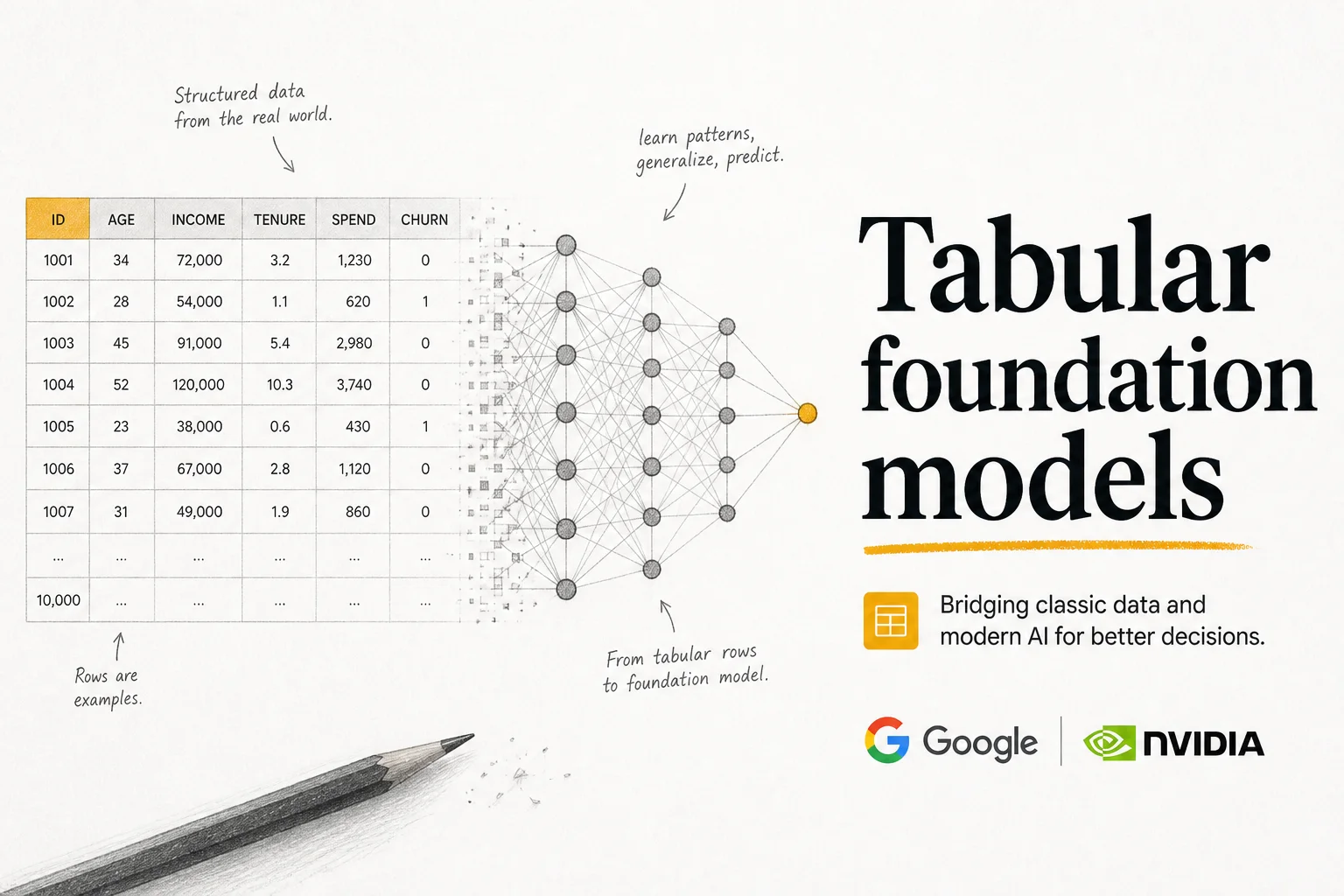
LLMs shred CSVs. TabFM, KumoRFM, TabPFN, and TabICL treat tables like foundation models treat text: in-context learning, no per-dataset training. Here's the dual-stack playbook I use for discovery vs production.
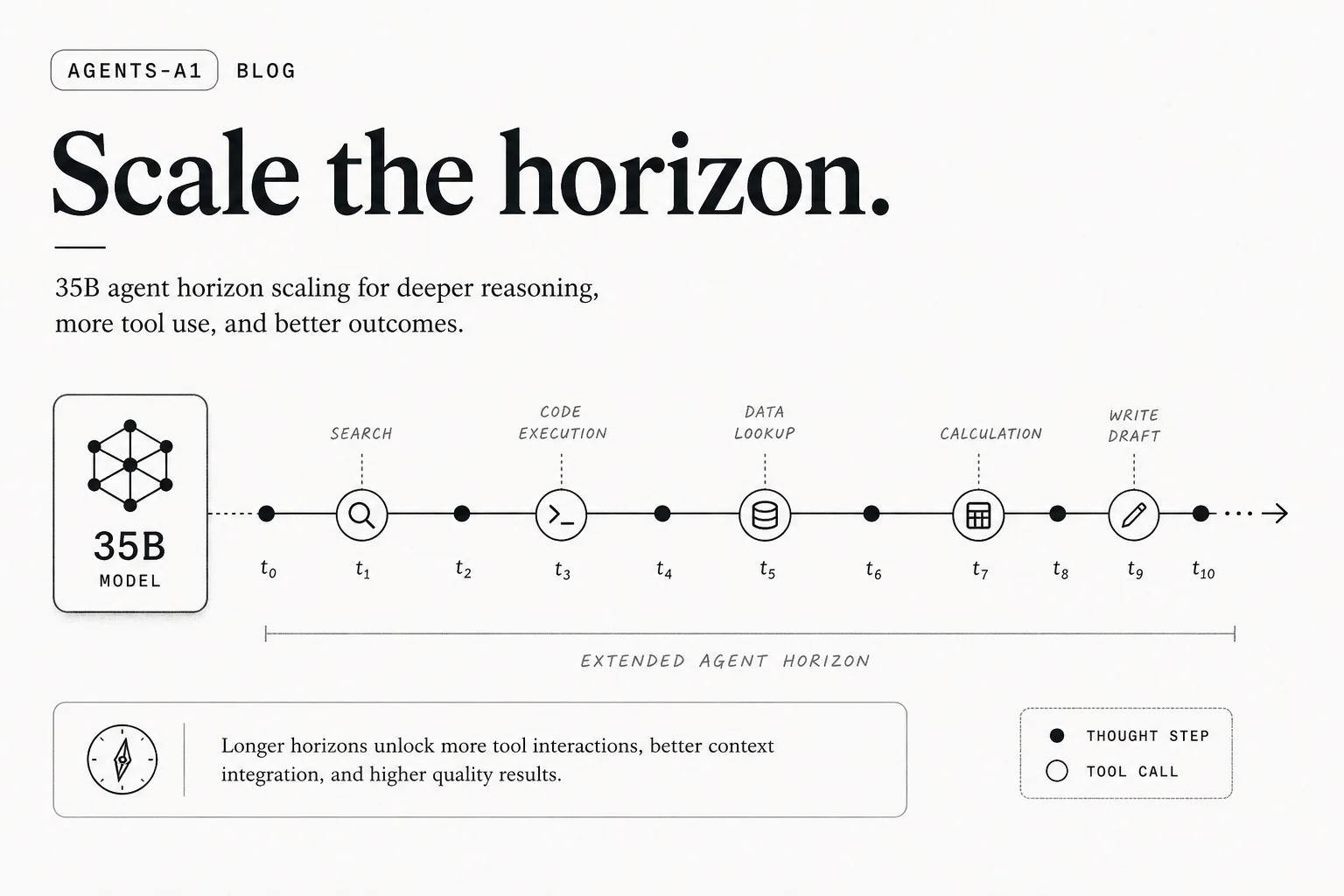
Shanghai AI Lab's 35B MoE agent reaches trillion-parameter benchmark territory by scaling trajectory length to 45K tokens and distilling six domain teachers. Here's what agent-horizon scaling actually means.
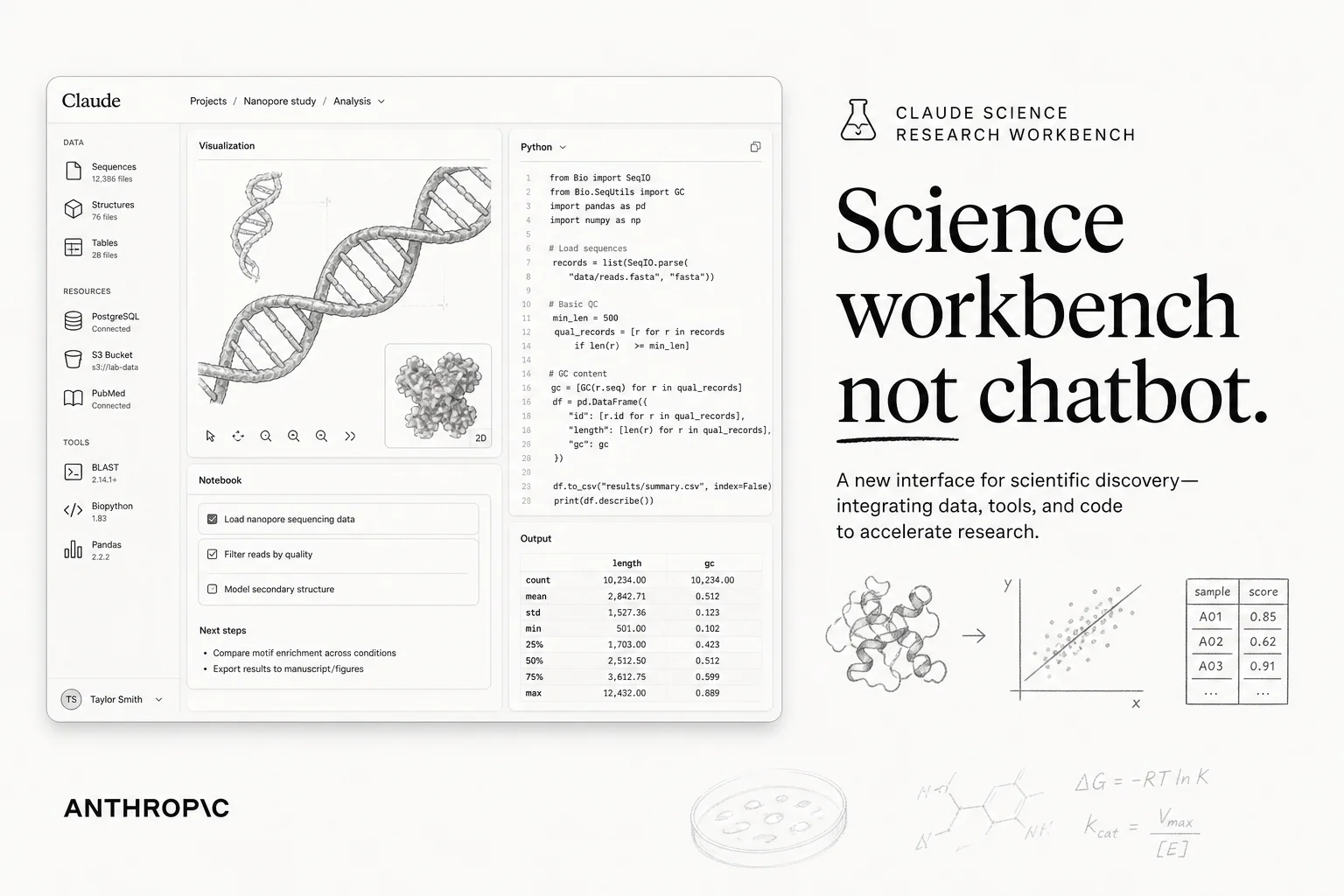
Anthropic launched Claude Science in beta on June 30: a macOS and Linux desktop app with 60+ database connectors, live code execution, HPC orchestration, and full provenance on every artifact. Here's what it actually does.
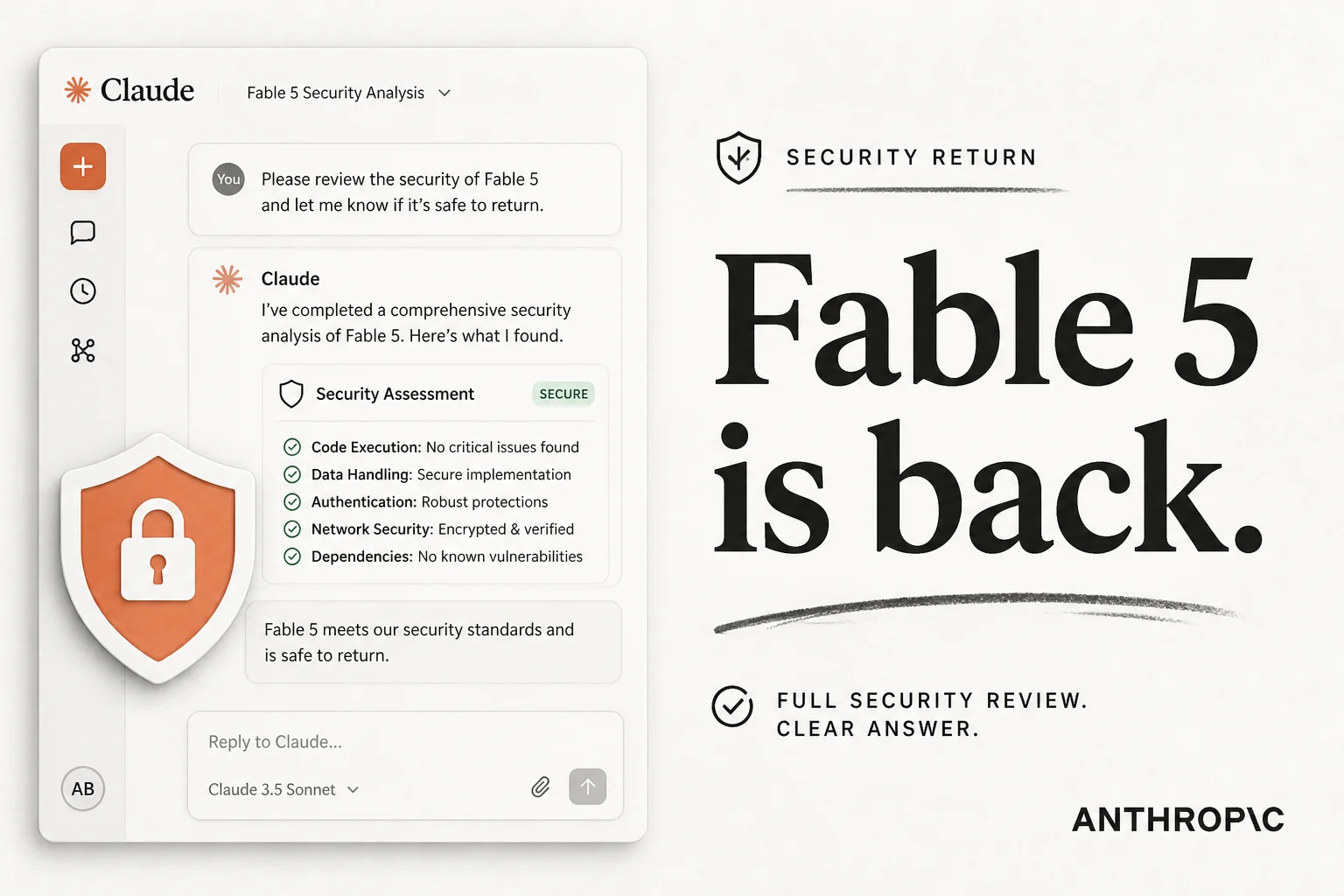
Anthropic redeployed Claude Fable 5 globally on July 1 with a new cybersecurity classifier, Opus 4.8 fallbacks, and a cross-industry jailbreak severity framework. Here's what actually changed for developers.
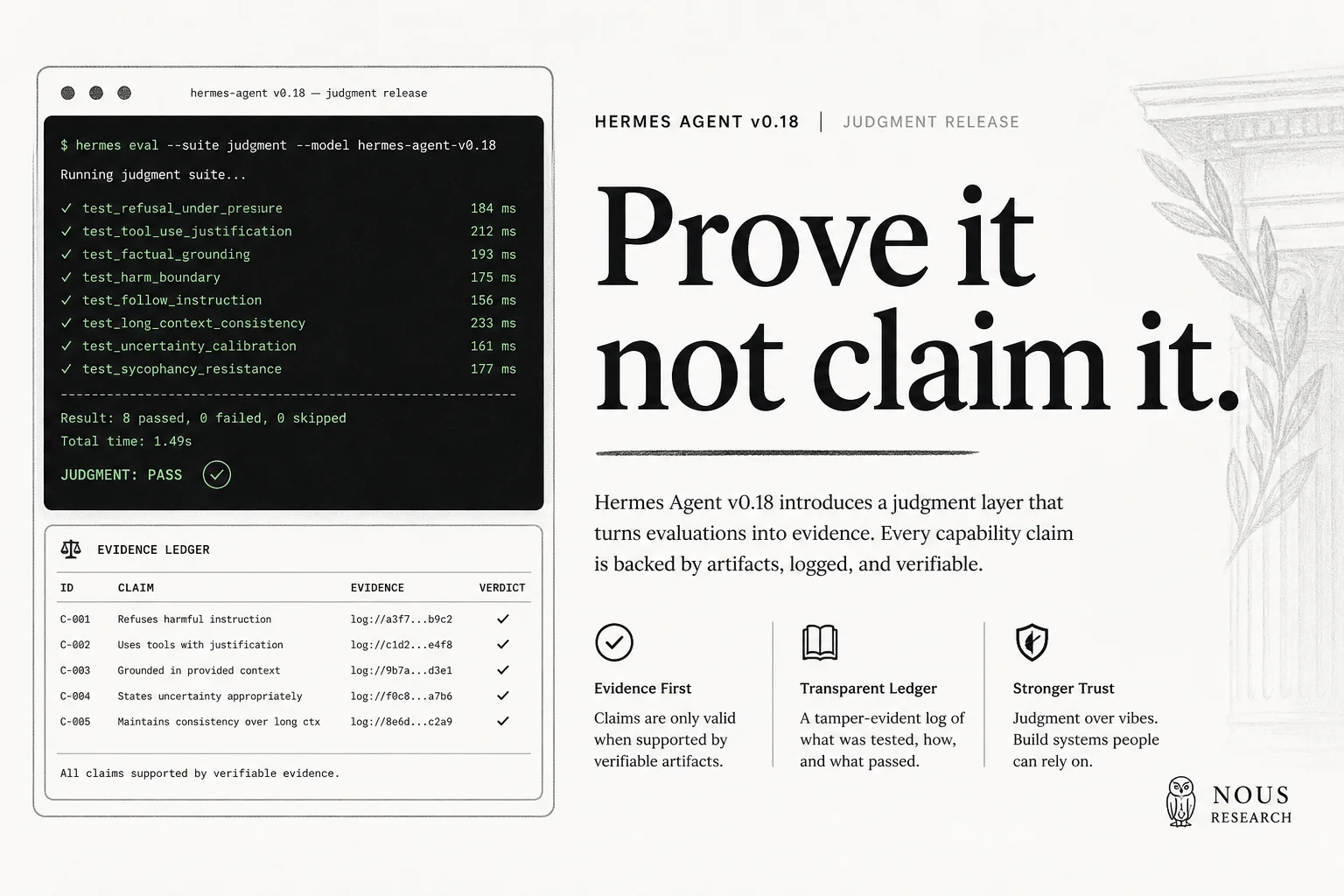
Nous Research's Judgment Release adds completion contracts, a coding verification evidence ledger, selectable Mixture-of-Agents, and a zero P0/P1 backlog sweep. Here's what changed for production agent workflows.
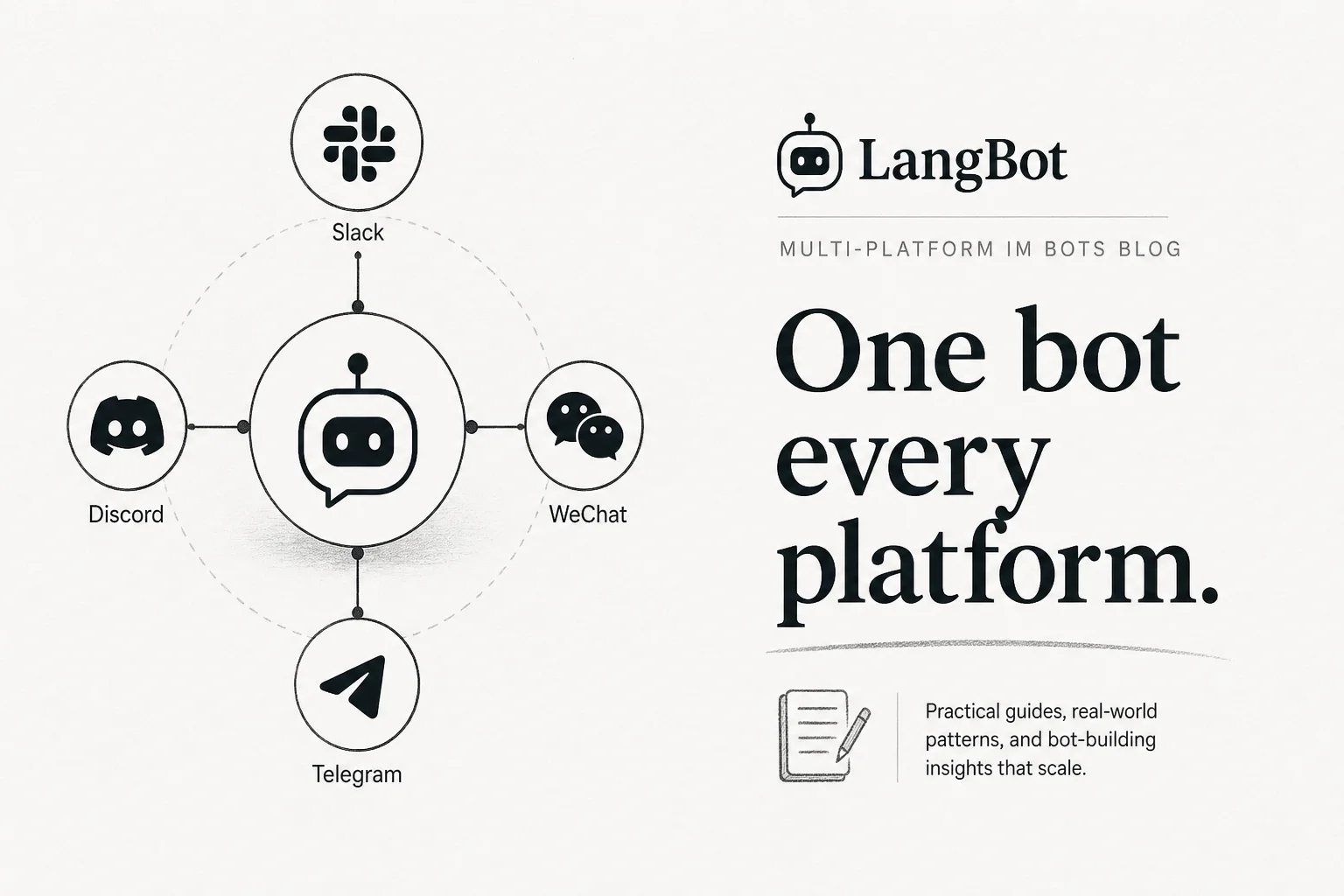
LangBot is an open-source, production-grade platform for deploying AI agents across Discord, Slack, Telegram, WeChat, Lark, DingTalk, and more. Here's how it wires LLMs, RAG, and n8n workflows into real chat channels.
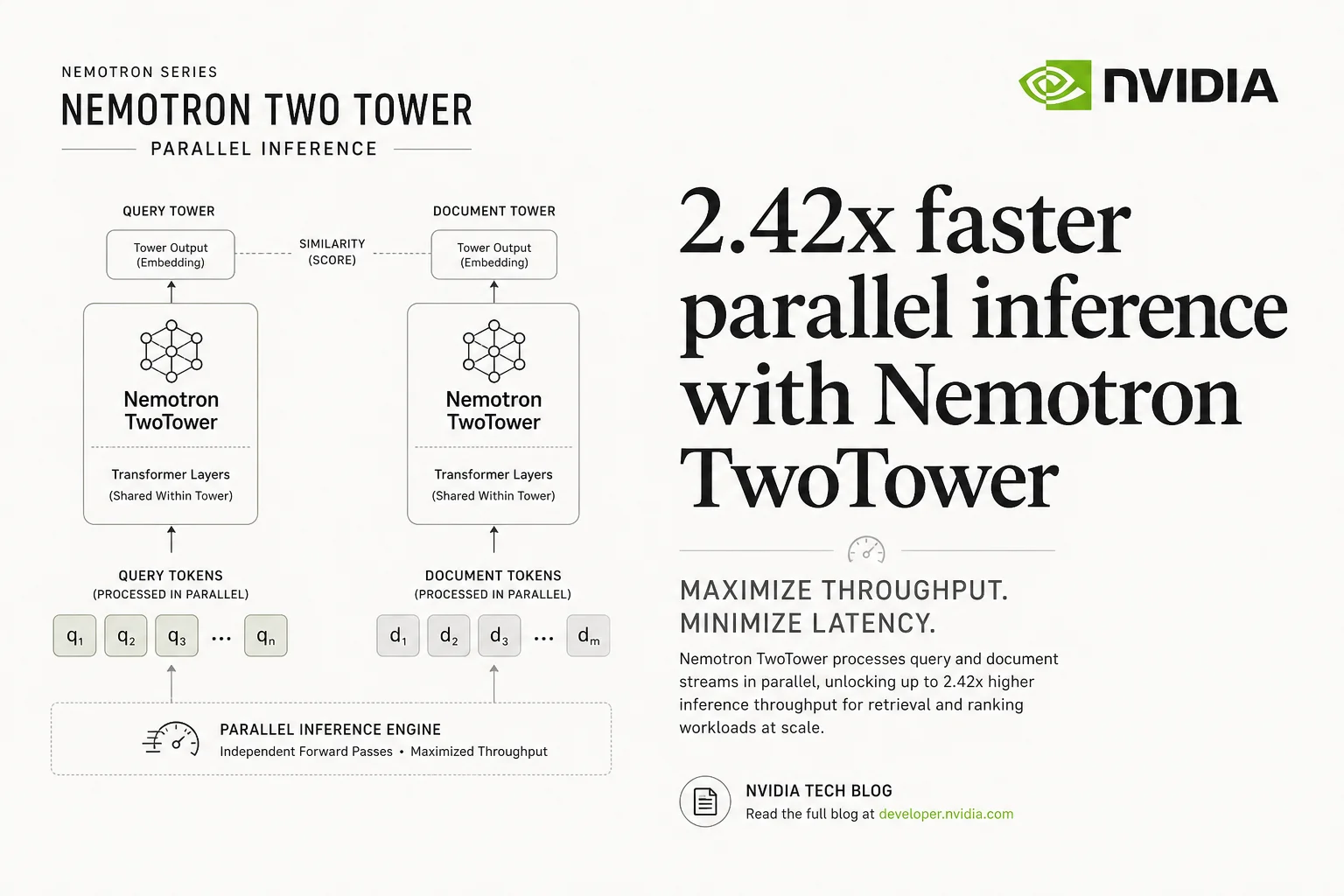
Nemotron-Labs-TwoTower splits a 30B Nemotron backbone into a frozen context tower and a trainable diffusion denoiser, hitting 2.42x generation throughput with open weights on Hugging Face.
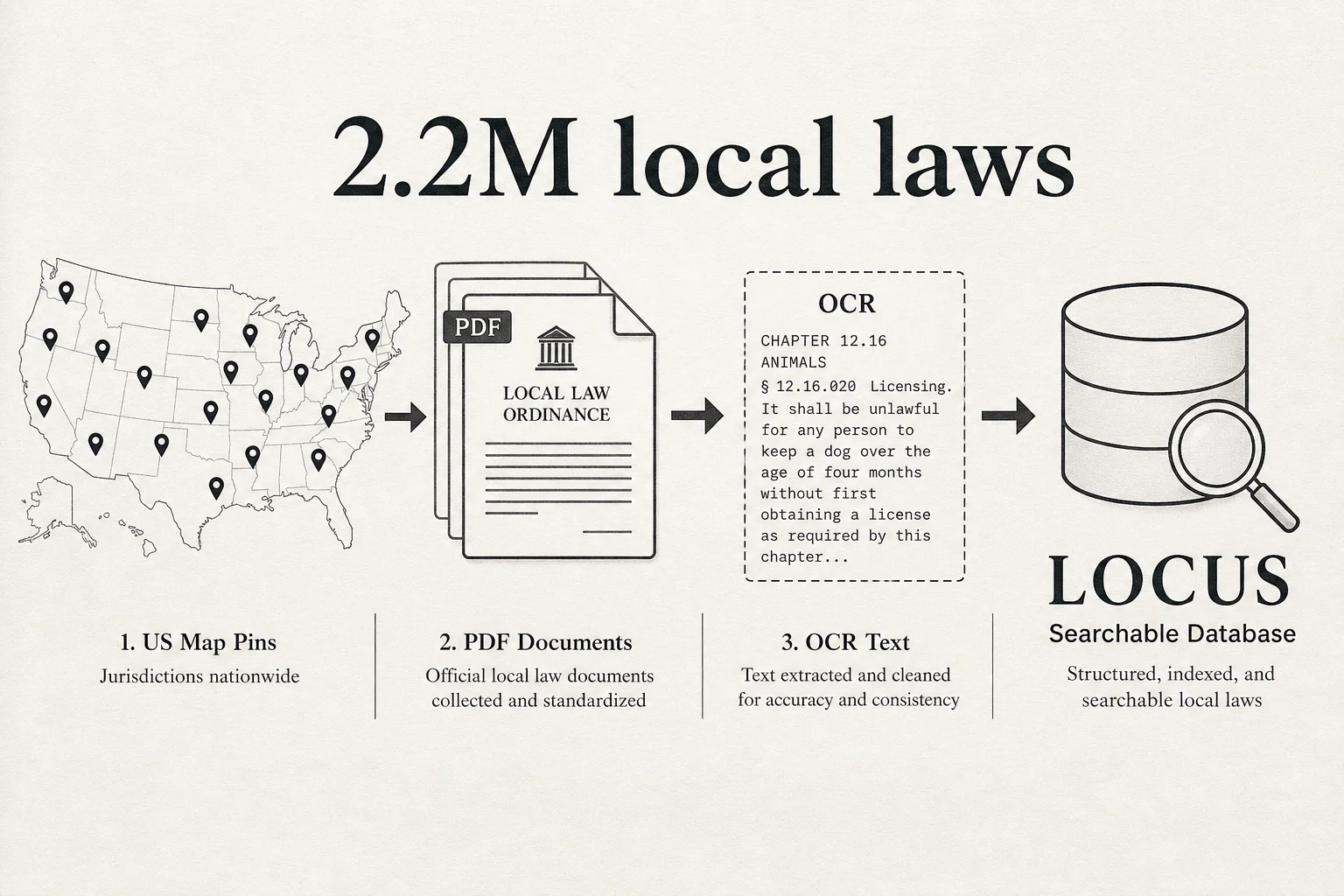
LOCUS scrapes ordinances from 9,239 cities and counties, OCRs messy PDFs cheaply, and ships ModernBERT classifiers for paternalism, opacity, and enforcement discretion. Free on Hugging Face.
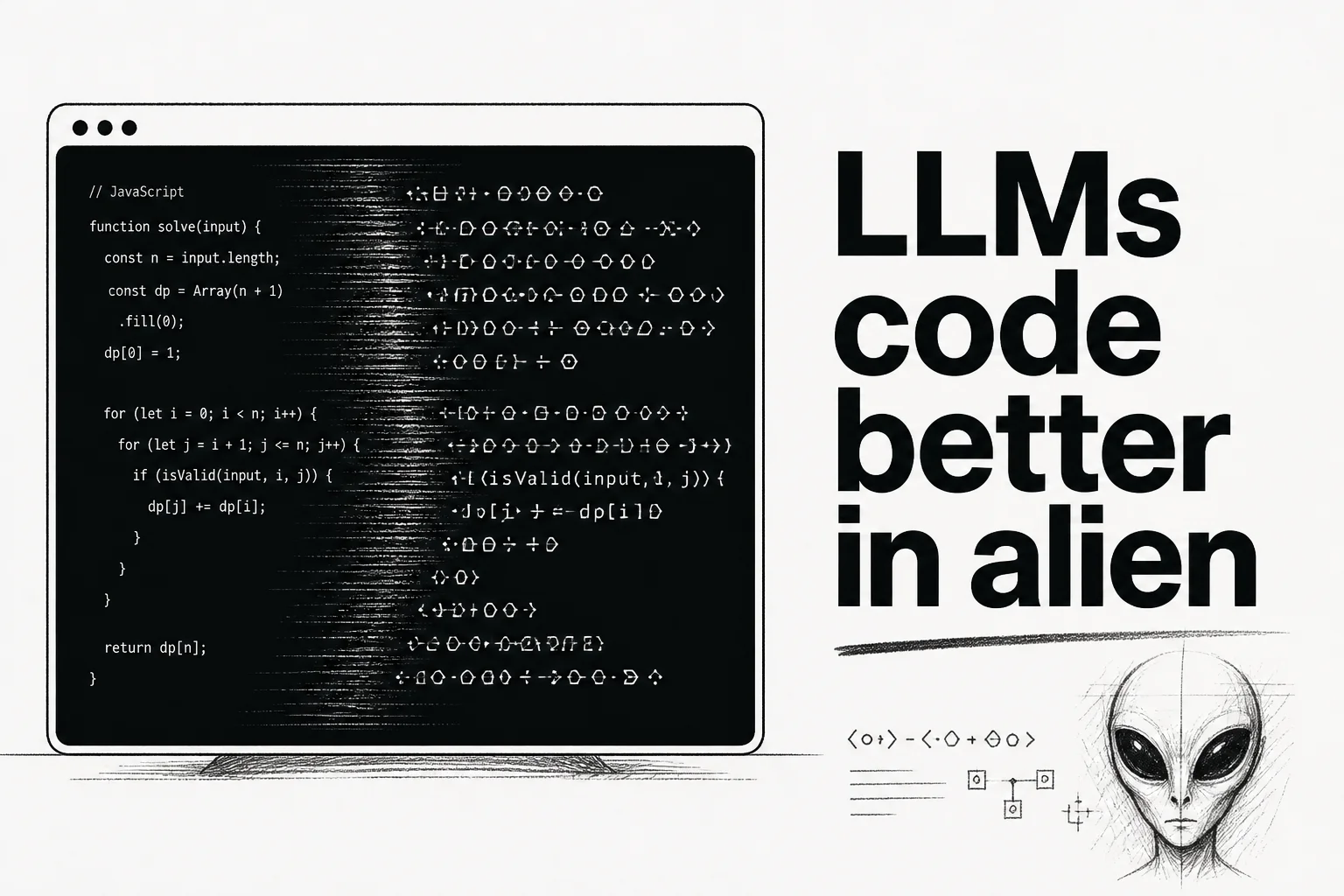
GLOSSOPETRAE generates procedural coding languages from a seed. At full opacity, human legibility drops to ~15% while Opus and GPT hit 97-100% task accuracy. Human readability hurts model performance.

Nous Research added Blank Slate setup to Hermes Agent. You start with provider, files, and terminal only. Everything else stays off until you opt in, and the config survives hermes update.
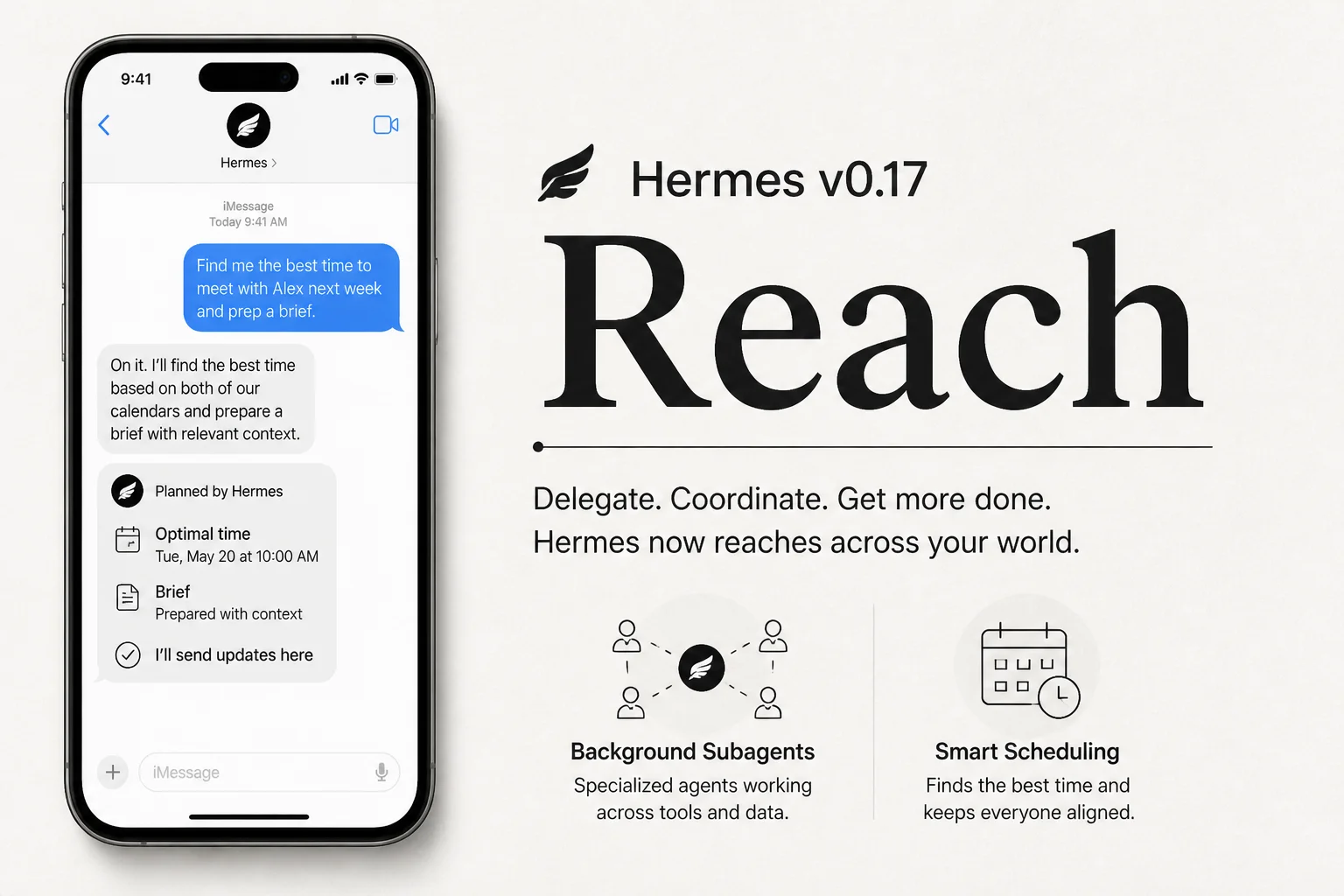
Hermes Agent's Reach release puts the agent on iMessage via Photon, runs background subagents without blocking chat, and schedules jobs from plain English. 1,475 commits, 245 contributors.
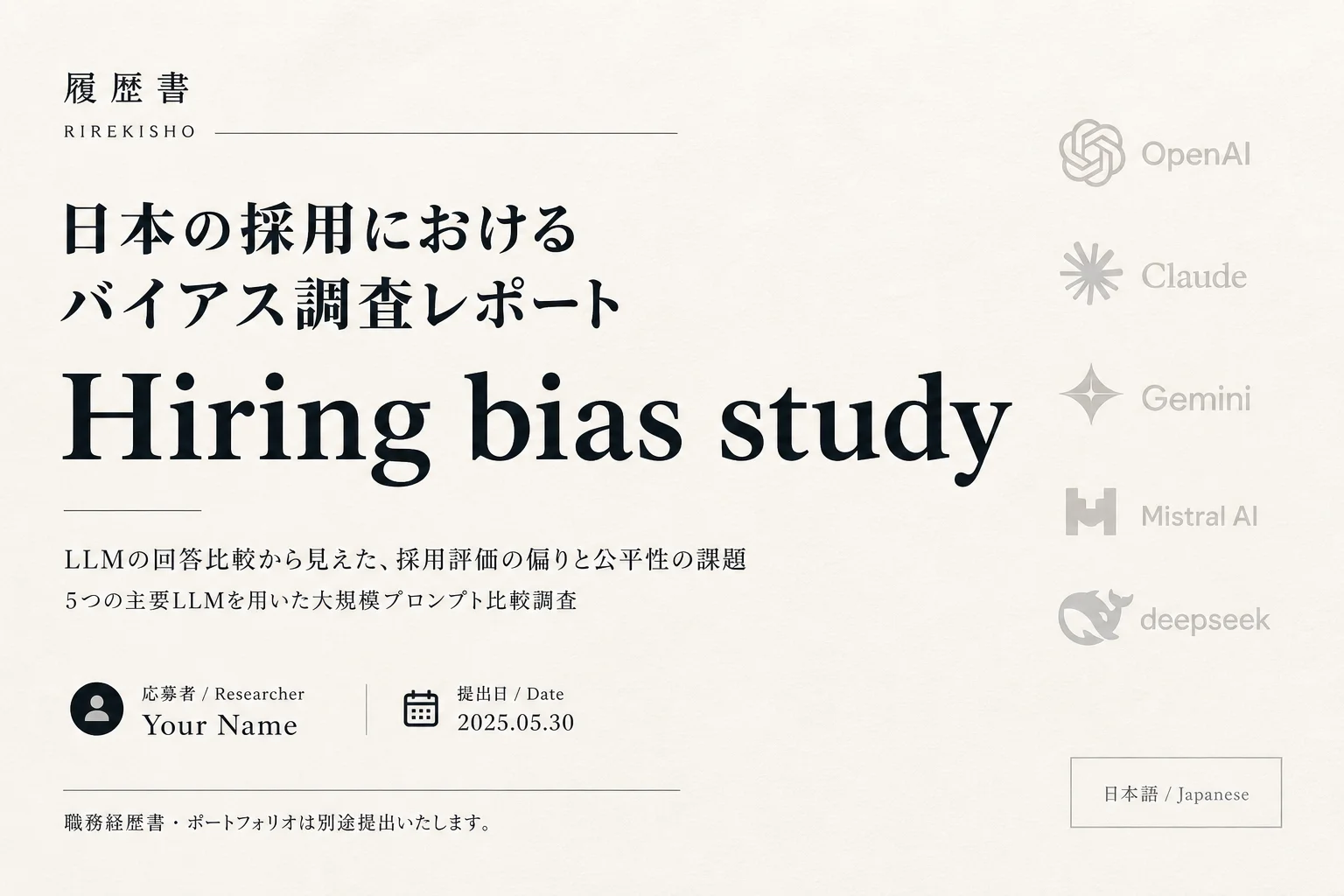
A 43,200-call study on rirekisho-format resumes finds significant pro-female bias across Claude, GPT-4o, DeepSeek, Gemini, and Llama. Prompt fixes failed. Name removal helped but broke GPT-4o safety filters 42% of the time.
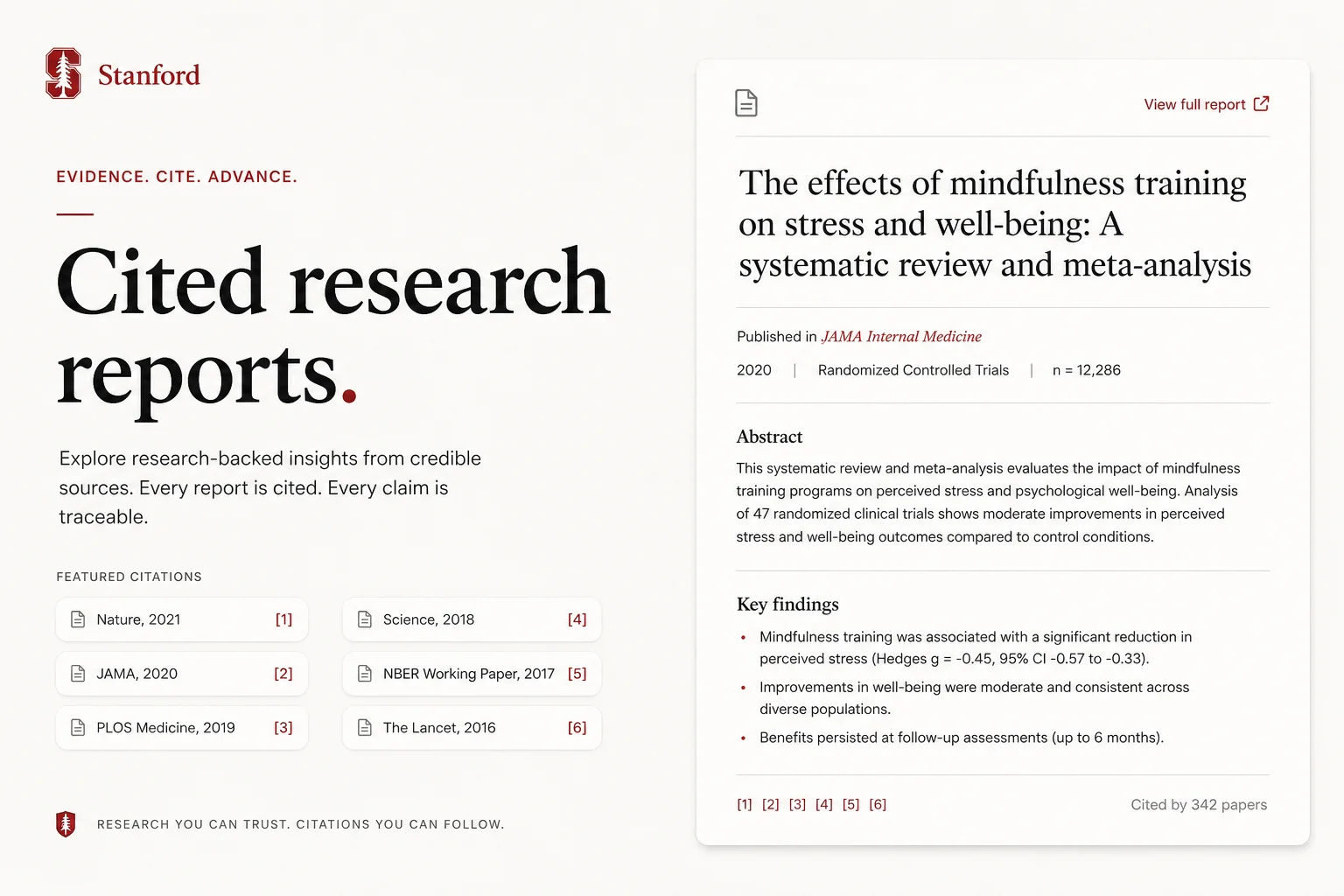
STORM researches topics via multi-perspective question asking, builds an outline from web sources, and writes long-form articles with citations. Free hosted demo or pip install knowledge-storm.
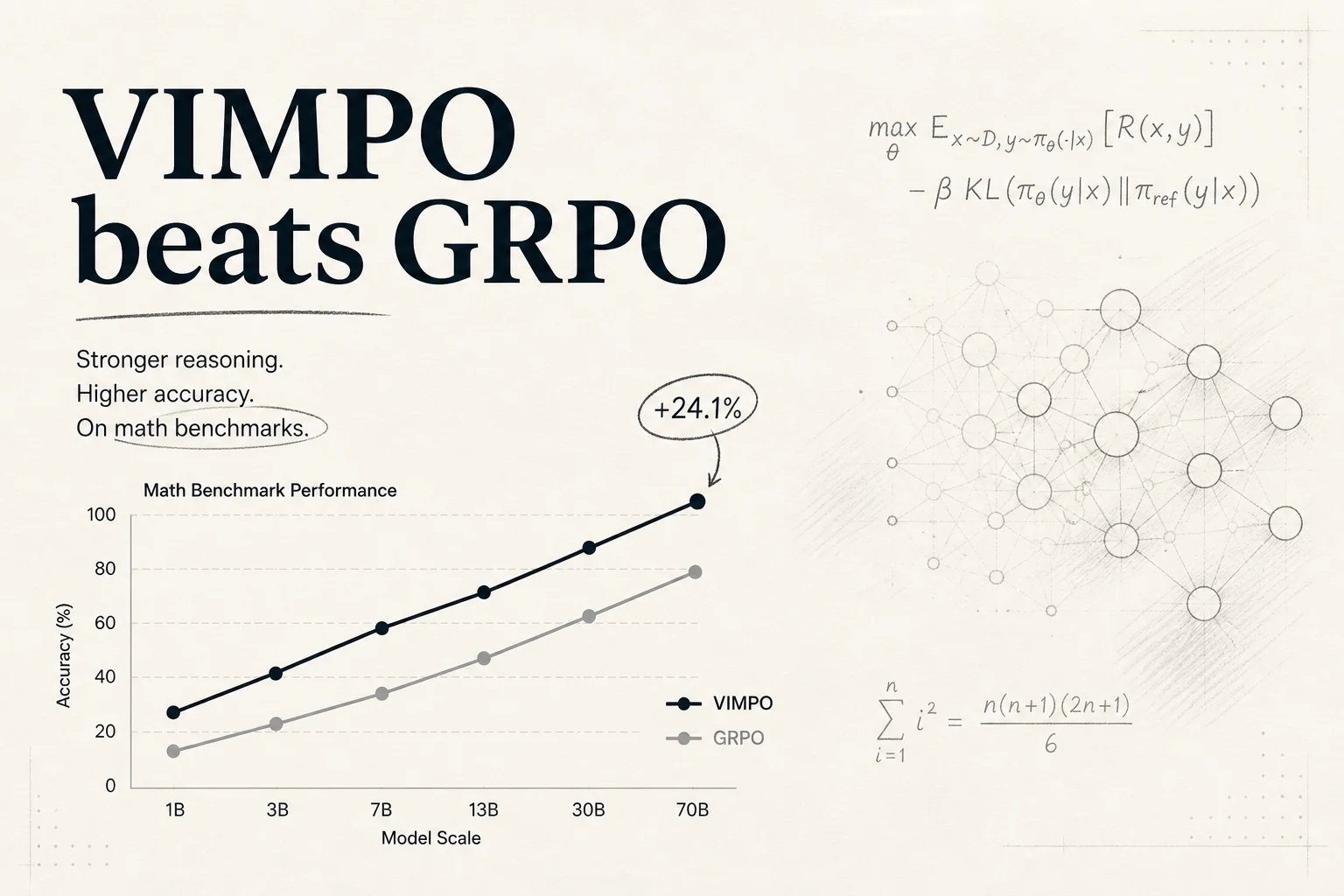
VIMPO derives a policy-implied value function from KL-regularized RL optimality conditions. It improves over GRPO on AIME and OlympiadBench while staying critic-free. Code on GitHub.

Midjourney Medical unveiled a full-body ultrasound scanner with 500,000 transducers and a 2027 SF spa launch. The twist: no generative AI in the imaging pipeline, and no FDA clearance yet.

A $965B confidential S-1, OpenAI's 'chat is dead' pivot, and a half-trillion-dollar chip rout, all in one week. One capital cycle, one market that can't decide what to believe.
A near-complete Claude Fable 5 product prompt surfaced on GitHub in June 2026. The Mythos tier, artifact storage API, and model-switch rules are the parts that matter for builders.
A hand-picked directory of free AI courses, math resources, datasets, and tools, annotated so you know what's worth your time and what to skip.
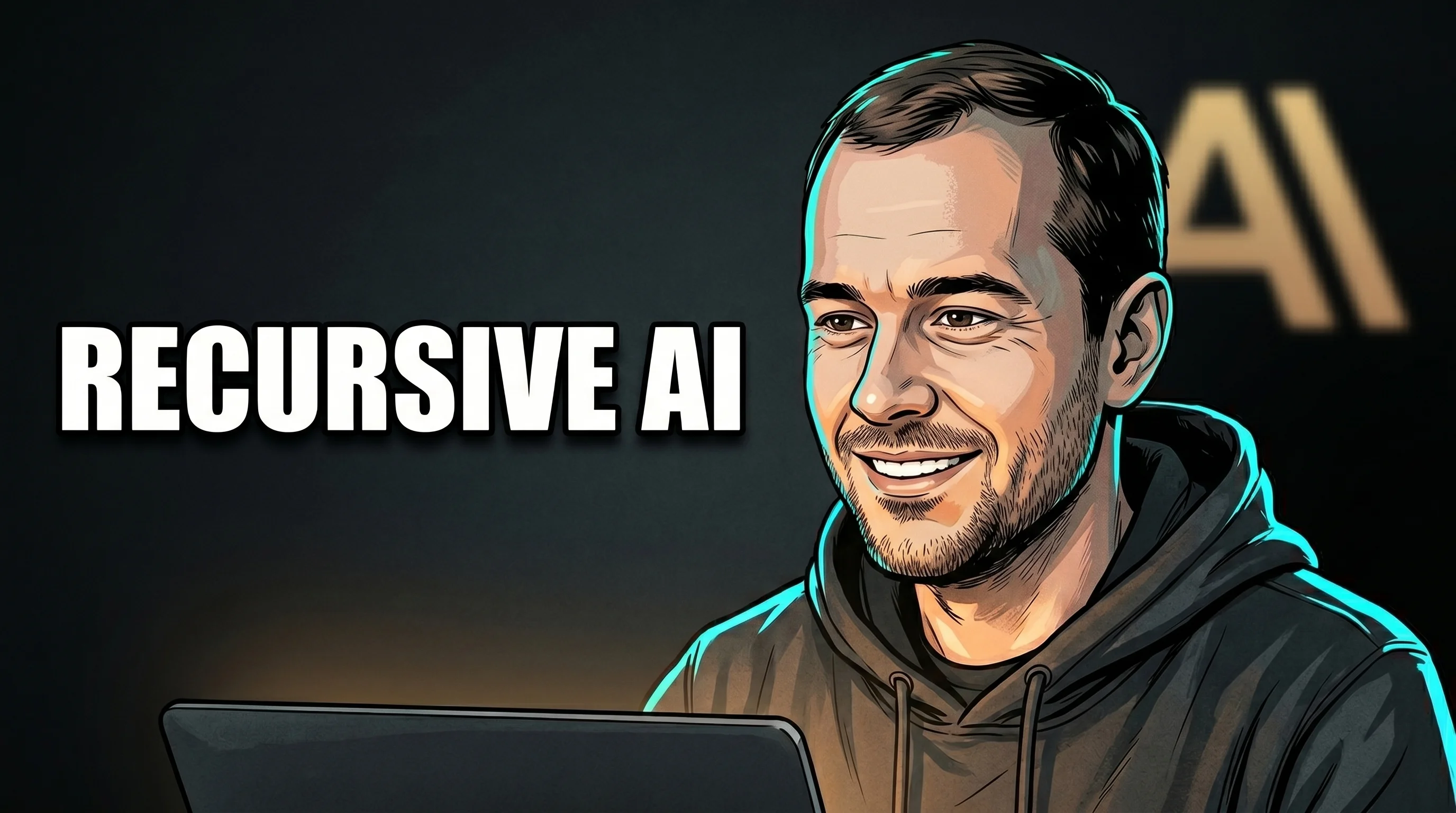
Karpathy's moving to Anthropic to lead a team using Claude to build better Claude. It might be the most interesting hiring move of 2026.
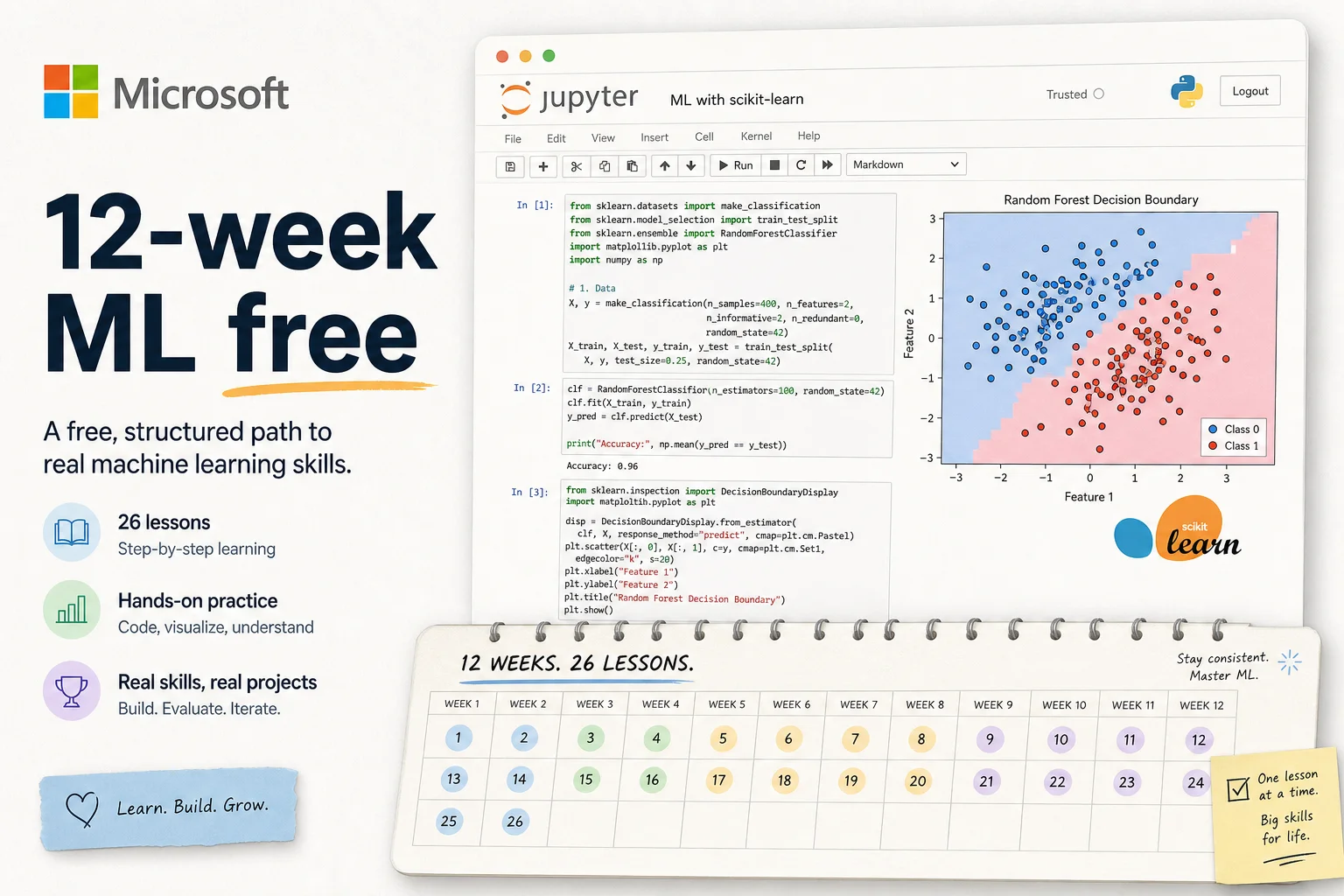
26 lessons, 52 quizzes, Scikit-learn projects, and Jupyter in VS Code. Microsoft's MIT-licensed curriculum is the on-ramp I still send before deep learning rabbit holes.
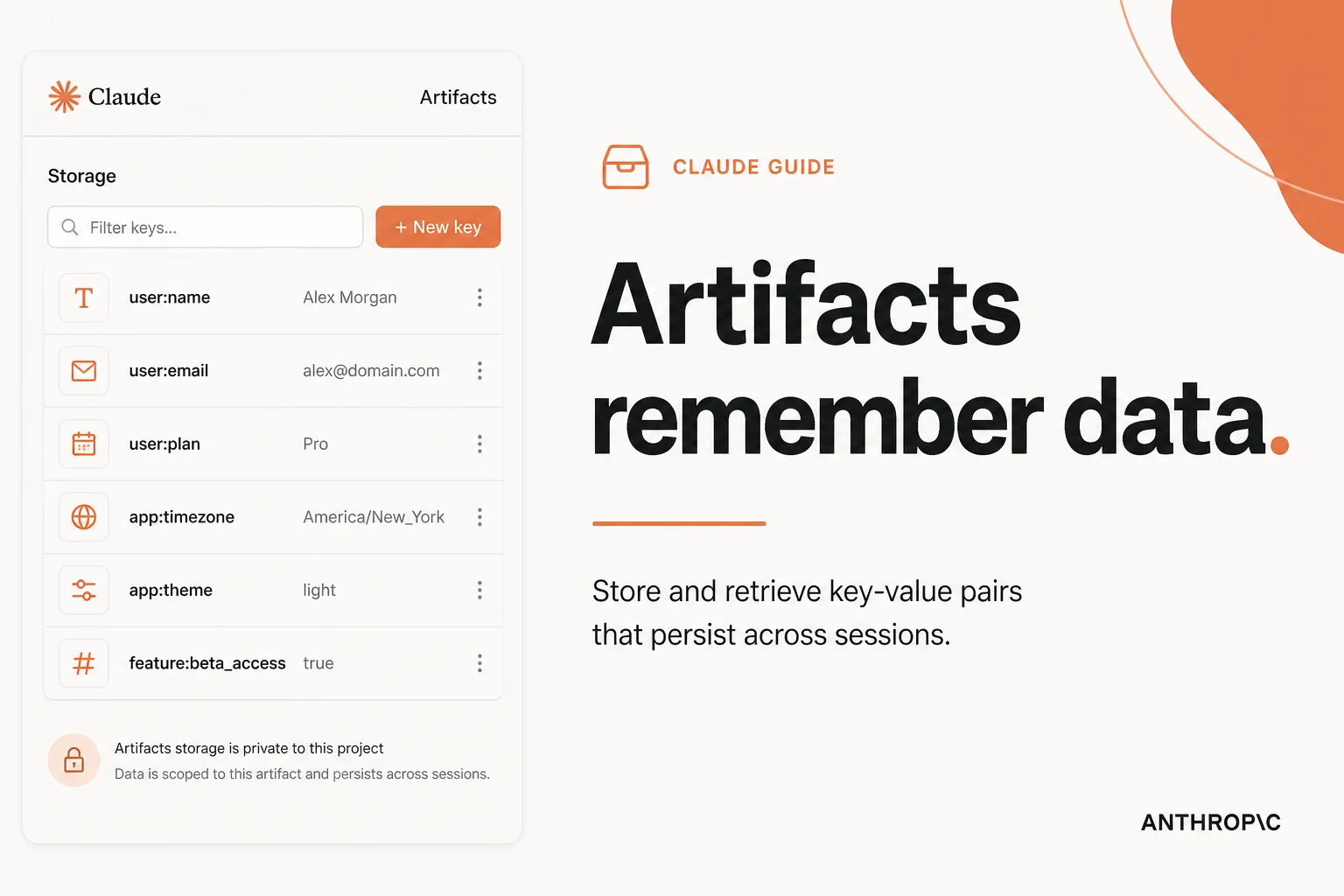
Anthropic's Claude Fable 5 system prompt leak reveals window.storage, a key-value API for artifacts that remember data between chats. Here is what builders can actually do with it.
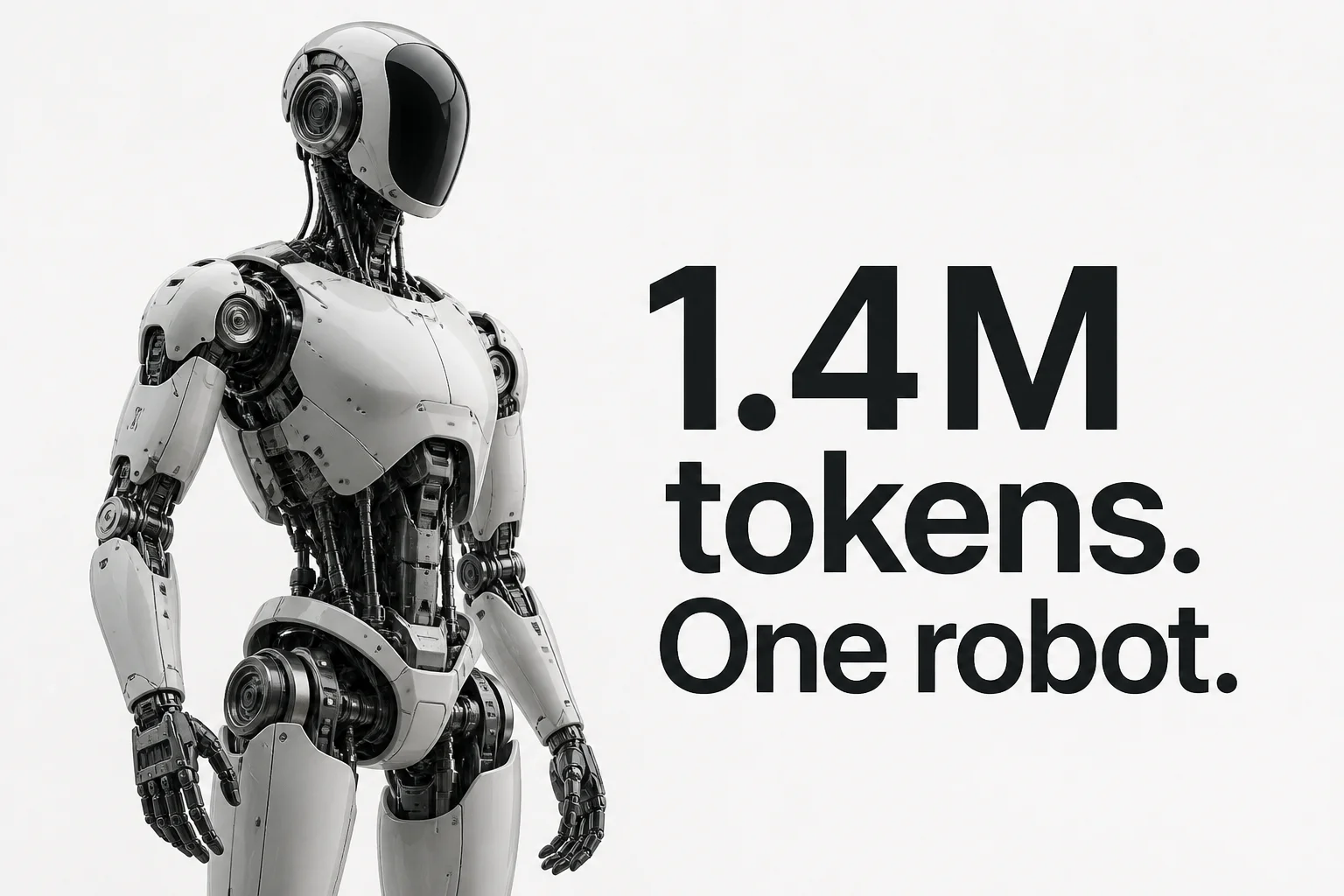
Jake Fitzgerald's viral demo used two hours and 1.4 million tokens to generate CAD-ready humanoid robot designs, kinematics, and animations. I broke down what is real versus render hype.
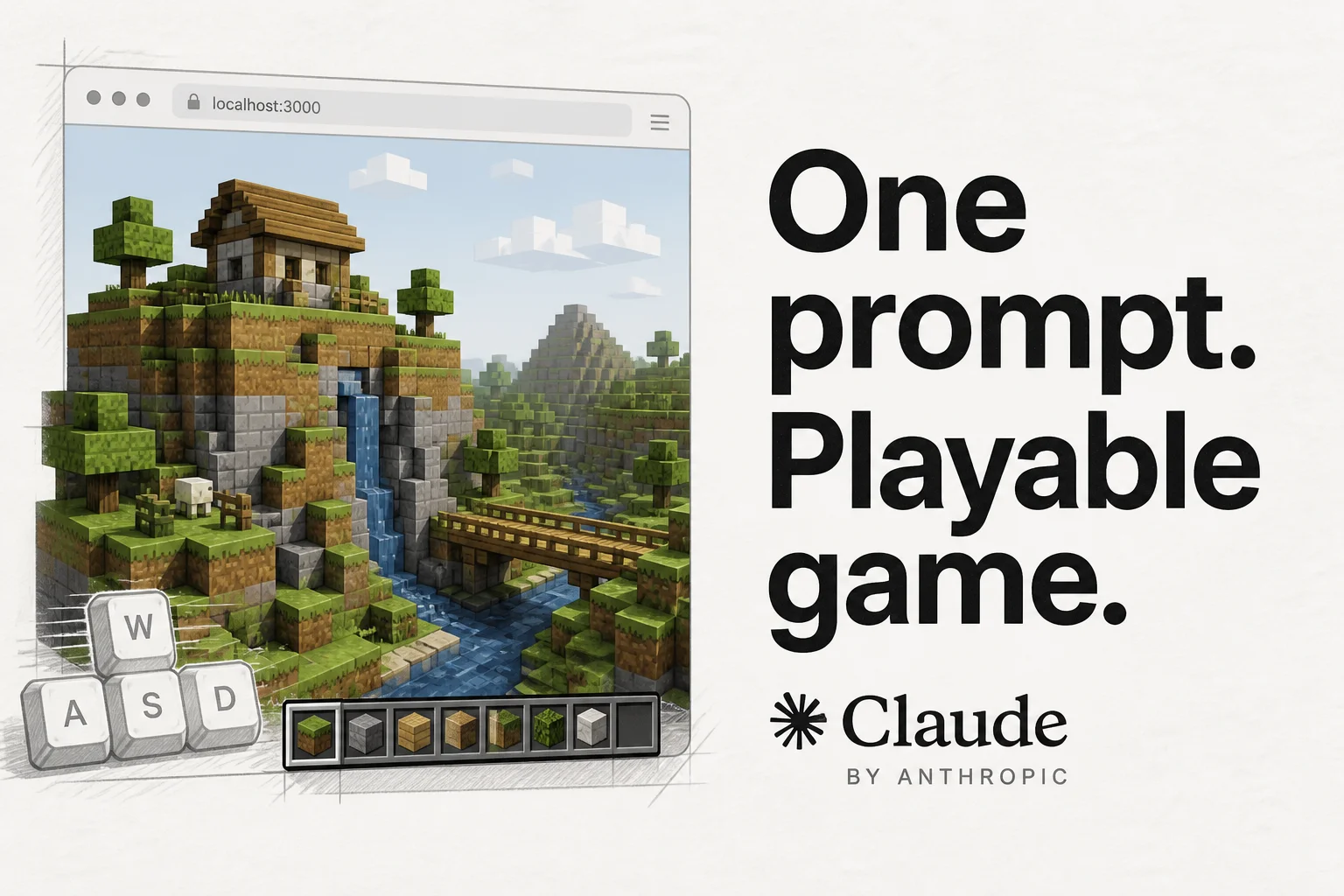
Developers are shipping browser Minecraft clones with Claude Fable 5 in 20 to 40 minutes for roughly $12 to $30. The interesting part is not the game. It is the systems design the model held in one context.
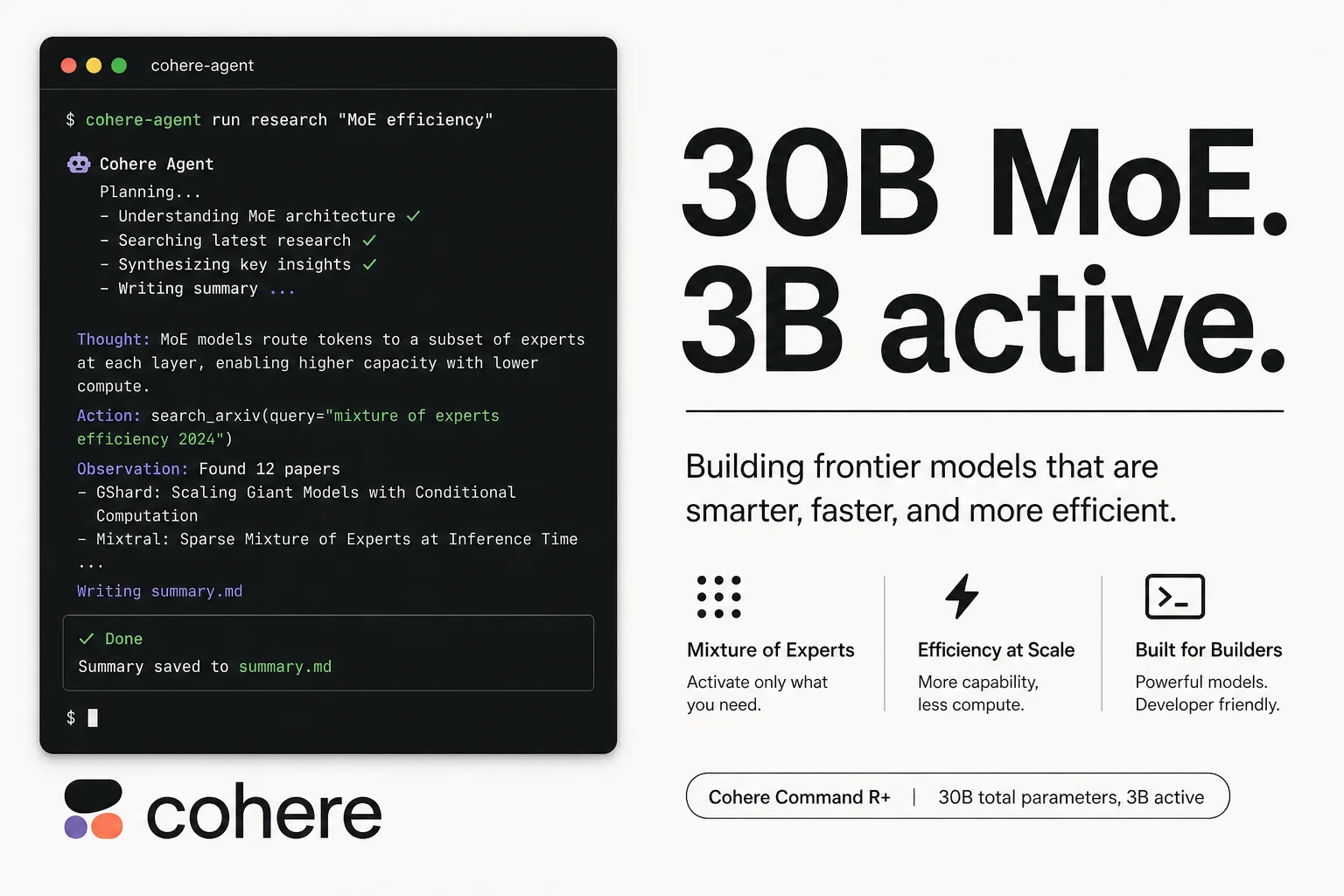
Cohere's first open-weight coding model activates 3B of 30B parameters per token, ships under Apache 2.0, and targets terminal agents. Here is when I would run it locally instead of a frontier API.
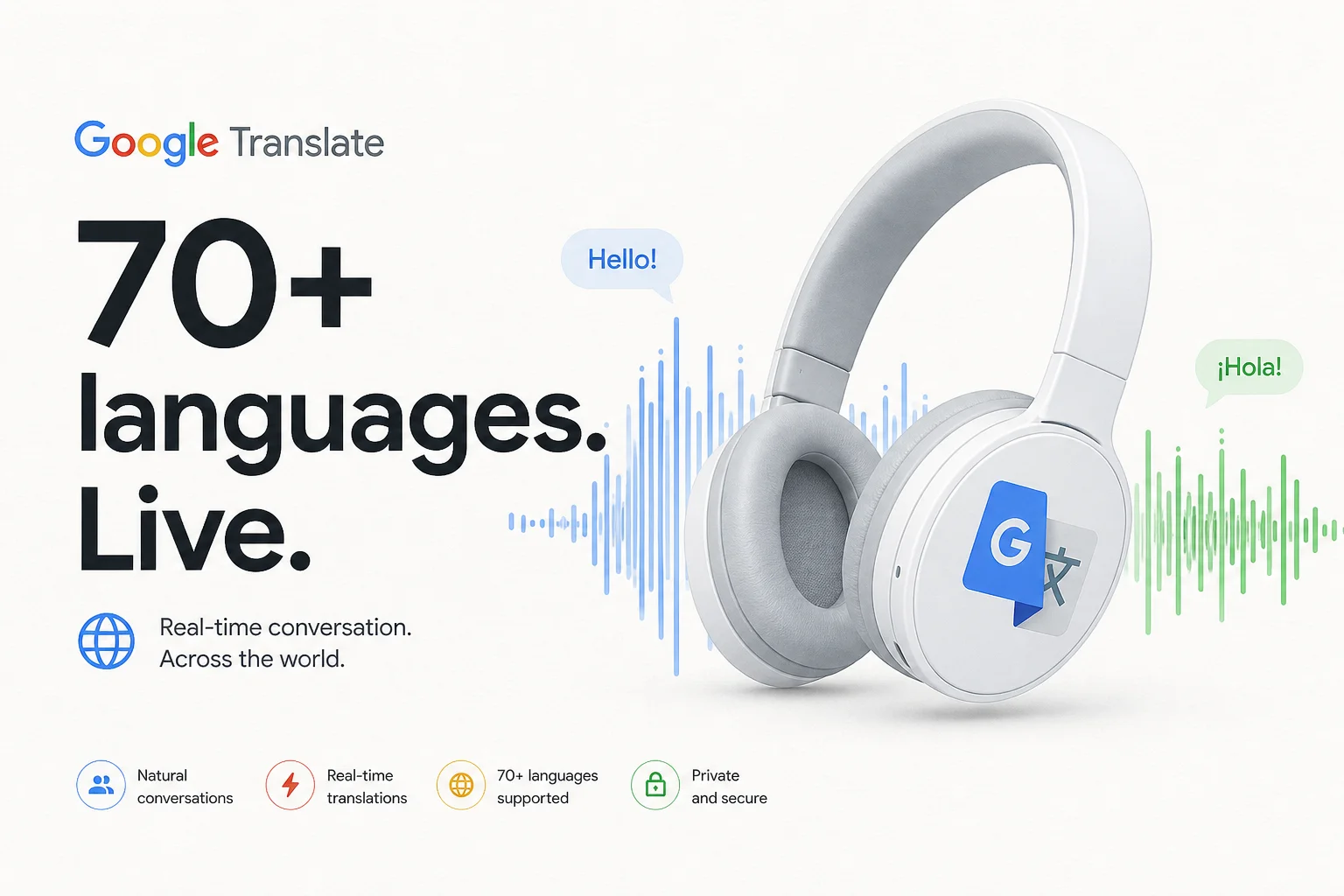
Google's new audio model translates speech continuously, preserves tone, and ships in Translate, Meet, and the Live API. Here is what changes for voice products and multilingual ops.
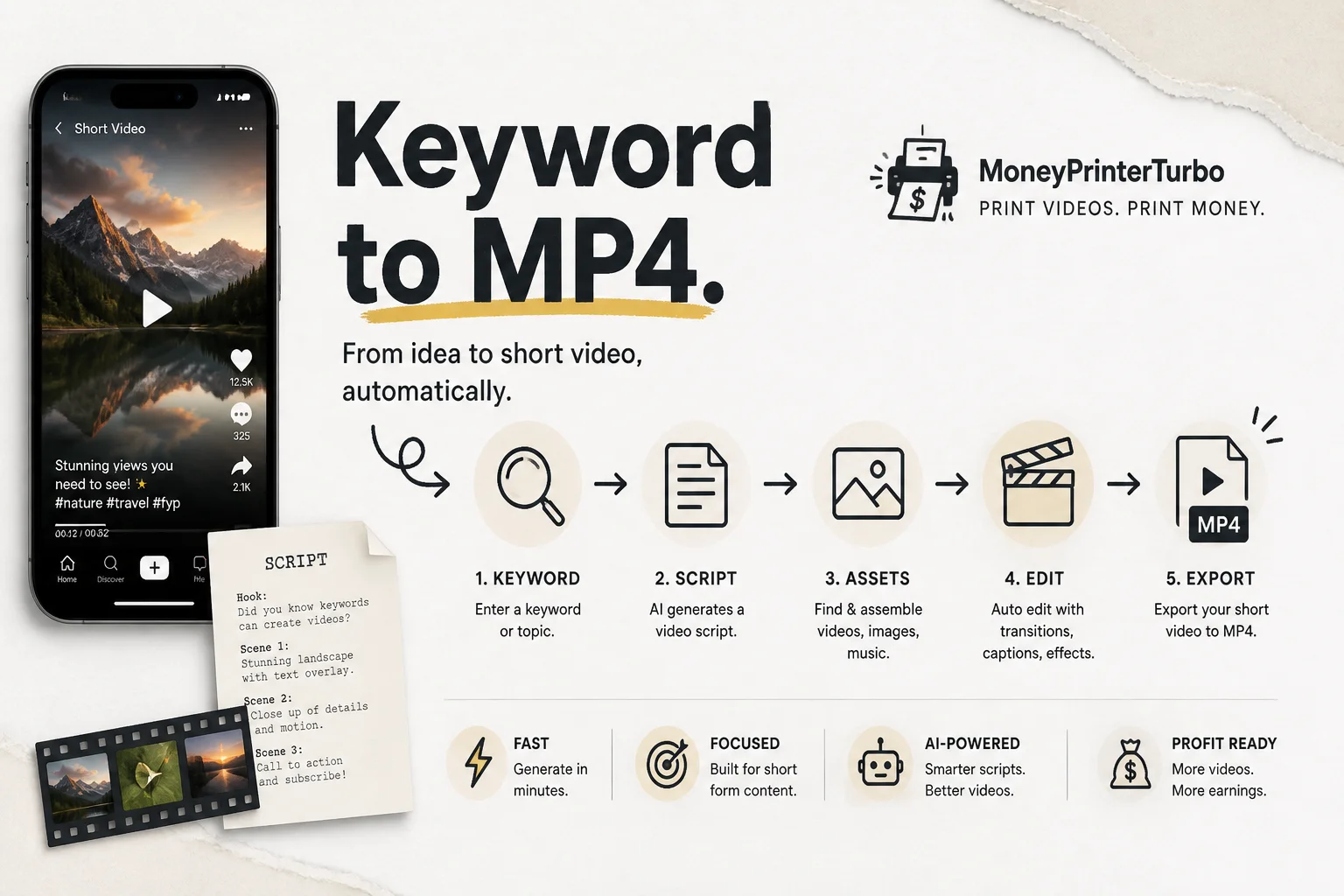
The open-source MoneyPrinterTurbo repo chains LLM scripts, TTS, stock footage, and FFmpeg into finished 9:16 or 16:9 videos. Here is the architecture worth copying even if you never post on TikTok.
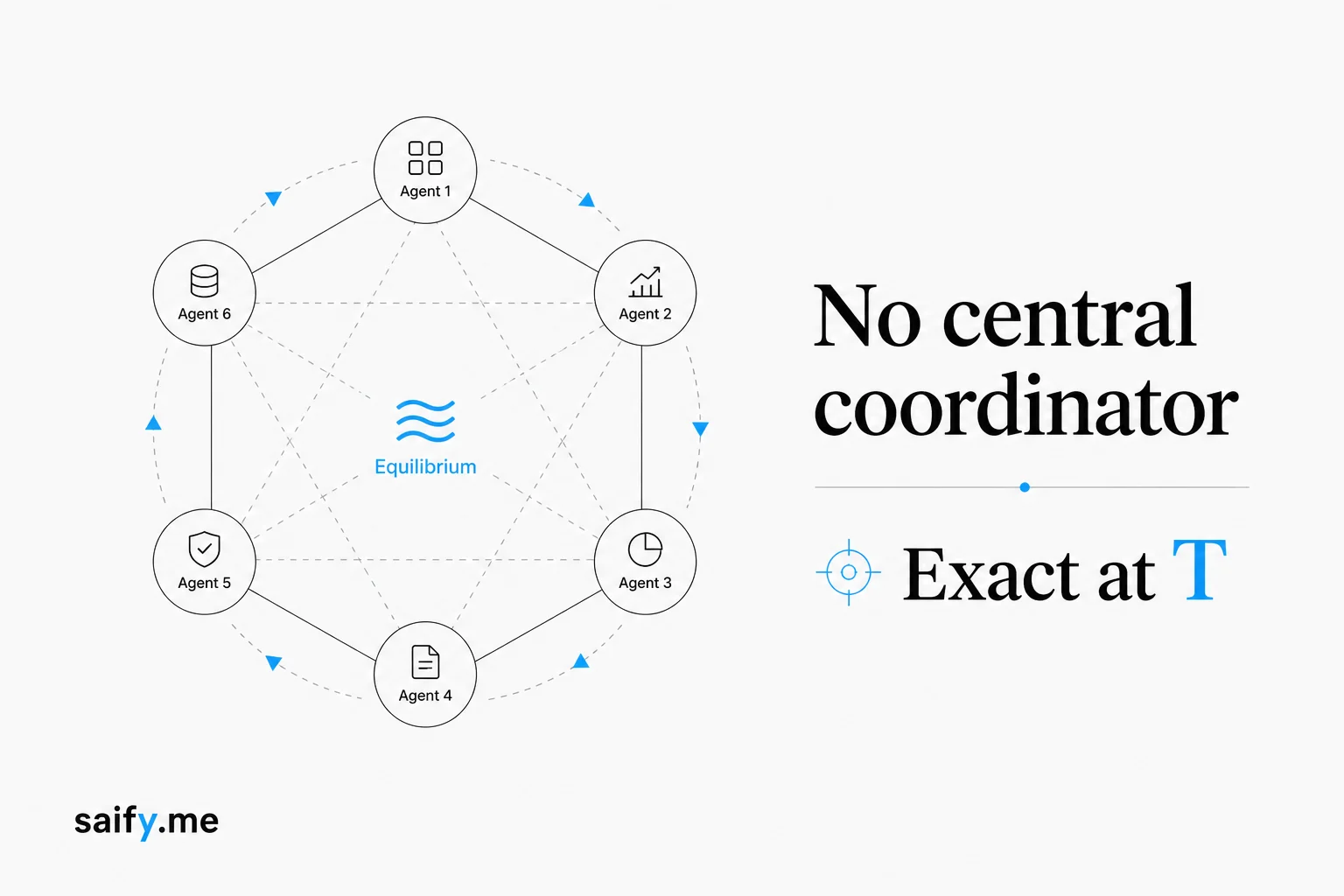
A new distributed algorithm drives agents to a generalized Nash equilibrium exactly at a deadline you choose, with no central controller. Here is why that matters for robot fleets and shared-resource AI ops.
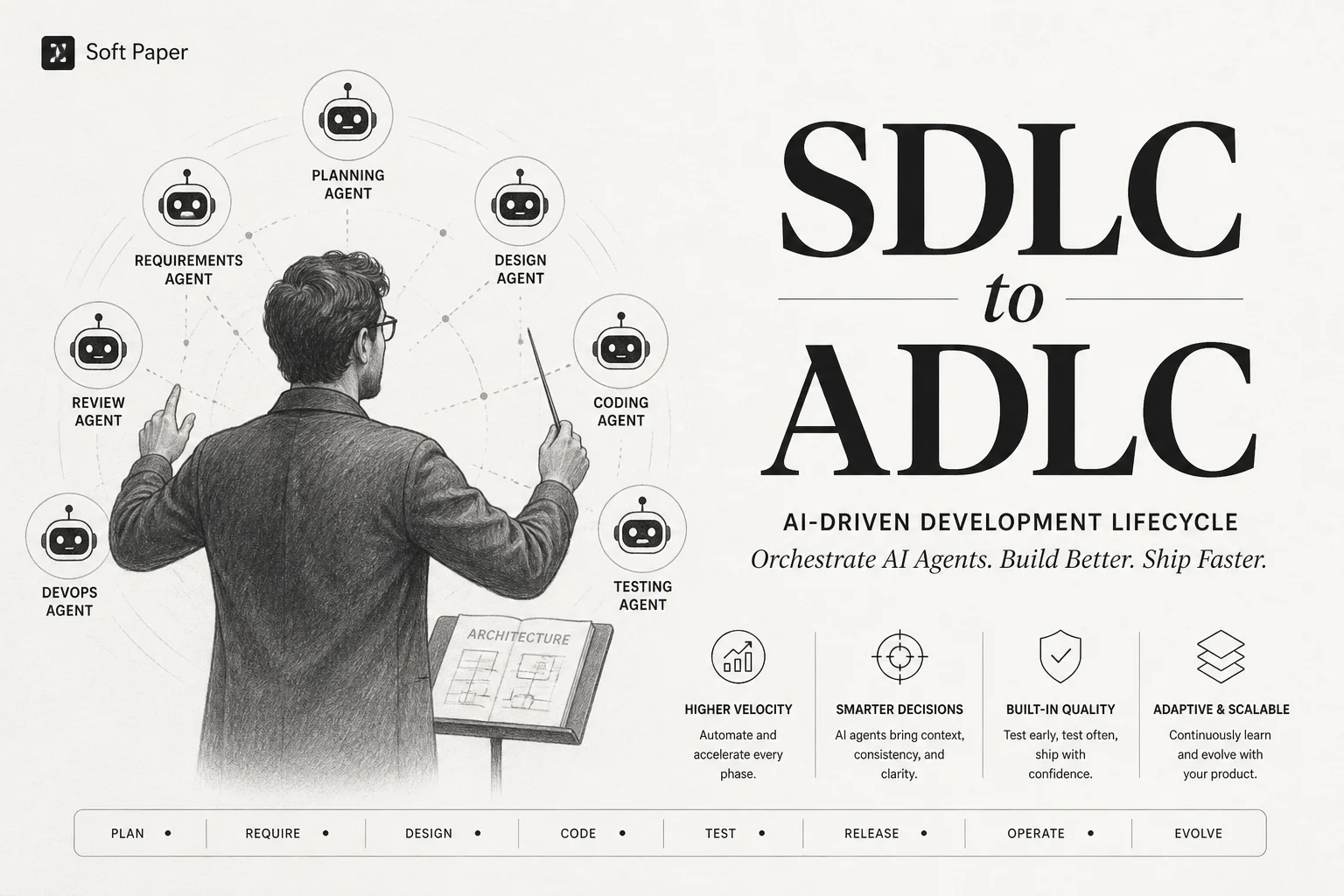
Agents write at machine speed. Humans still own merge. An Agentic Development Lifecycle playbook: guardrails, test agents, review tiers, and what to discard before it hits your queue.
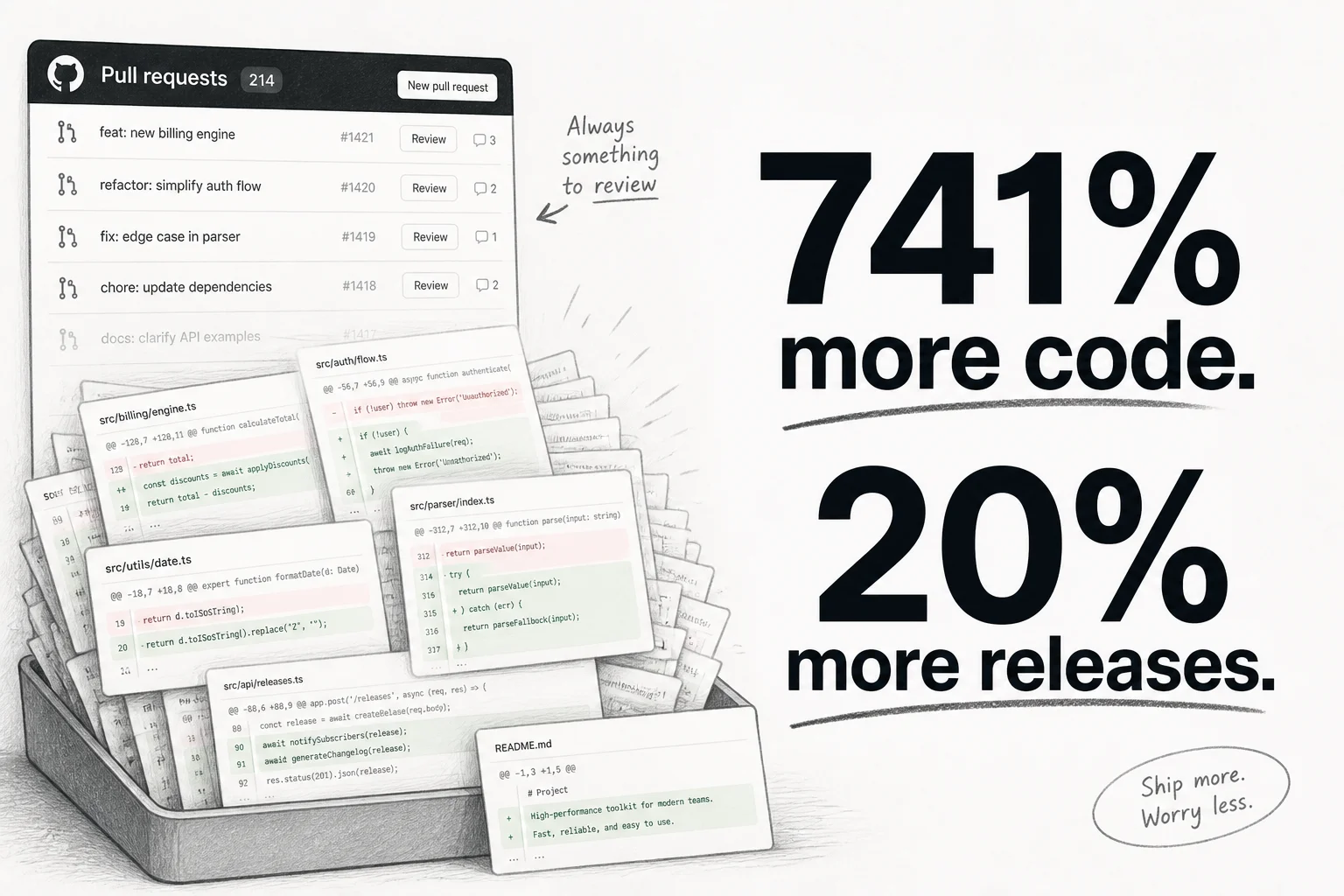
MIT and Wharton tracked 100,000+ GitHub developers through the full pipeline. Code volume explodes. Shipping barely moves. What the attenuation effect means if you run agents today.
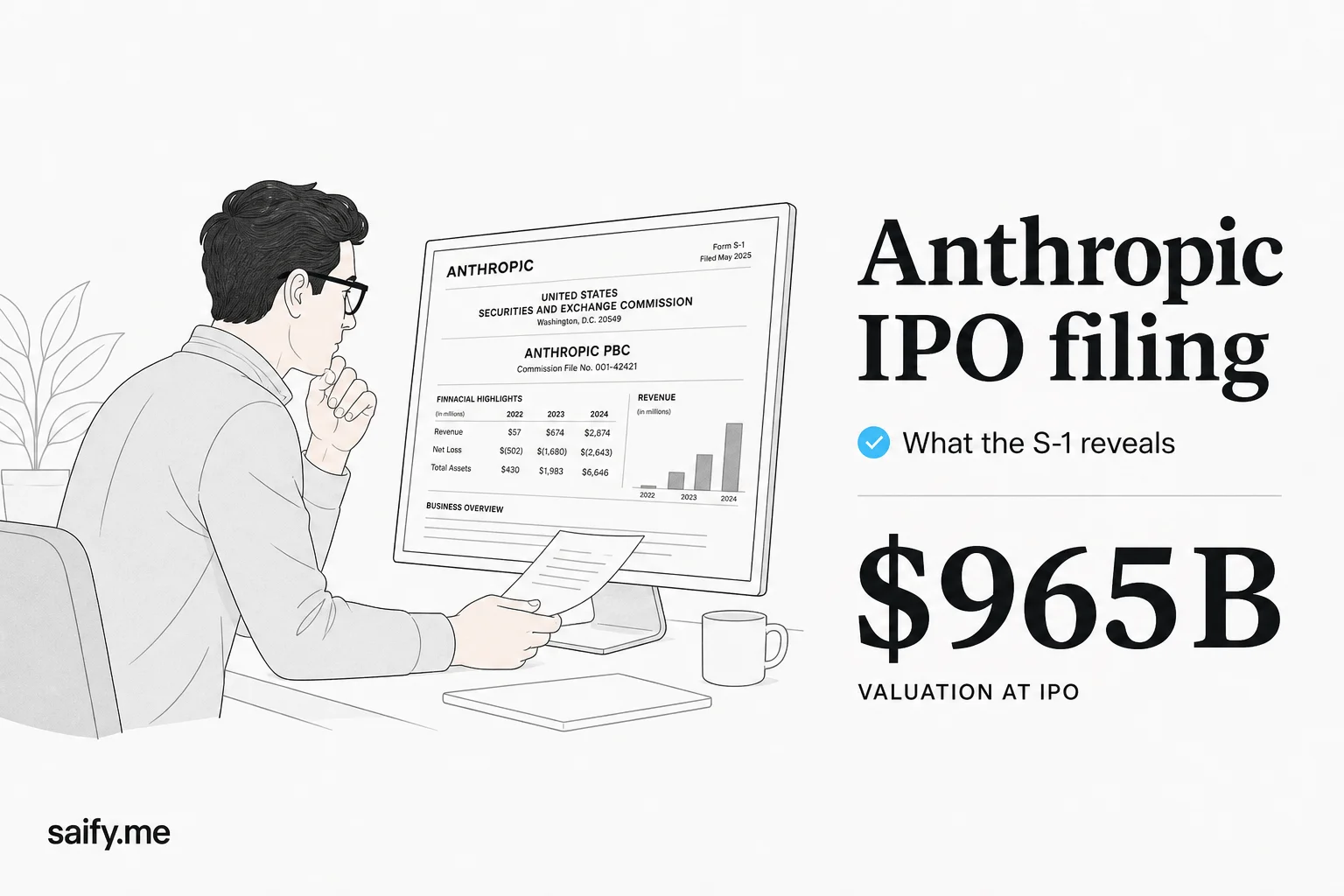
Anthropic's confidential S-1 keeps the option open for a public listing while enterprise Claude revenue hits a $47B run rate. What confidential filing means, and what changes for teams shipping on Claude.
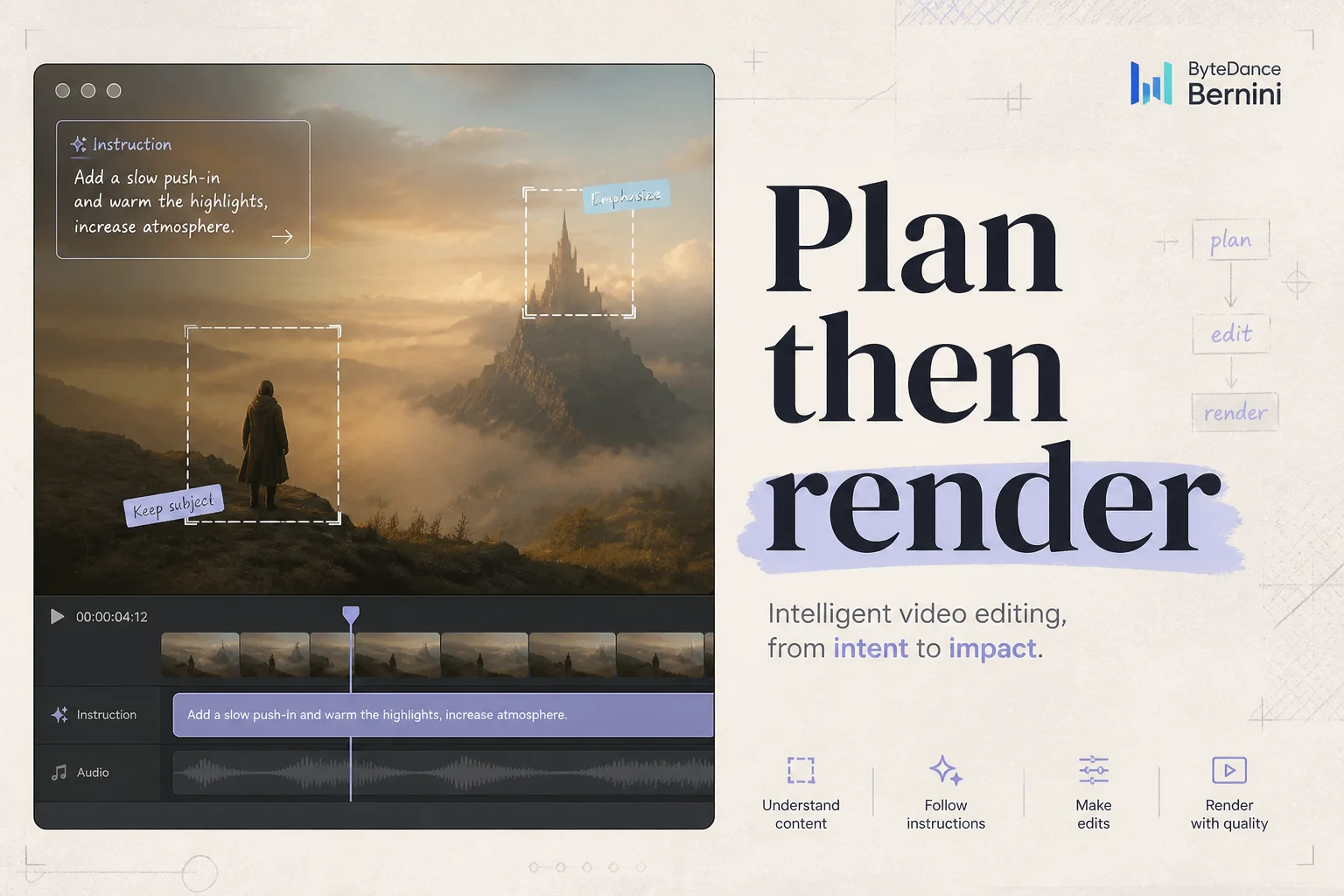
Bernini pairs a Qwen2.5-VL semantic planner with a Wan2.2 DiT renderer. Apache 2.0 weights for V2V edits, reference-guided swaps, and subject-to-video.
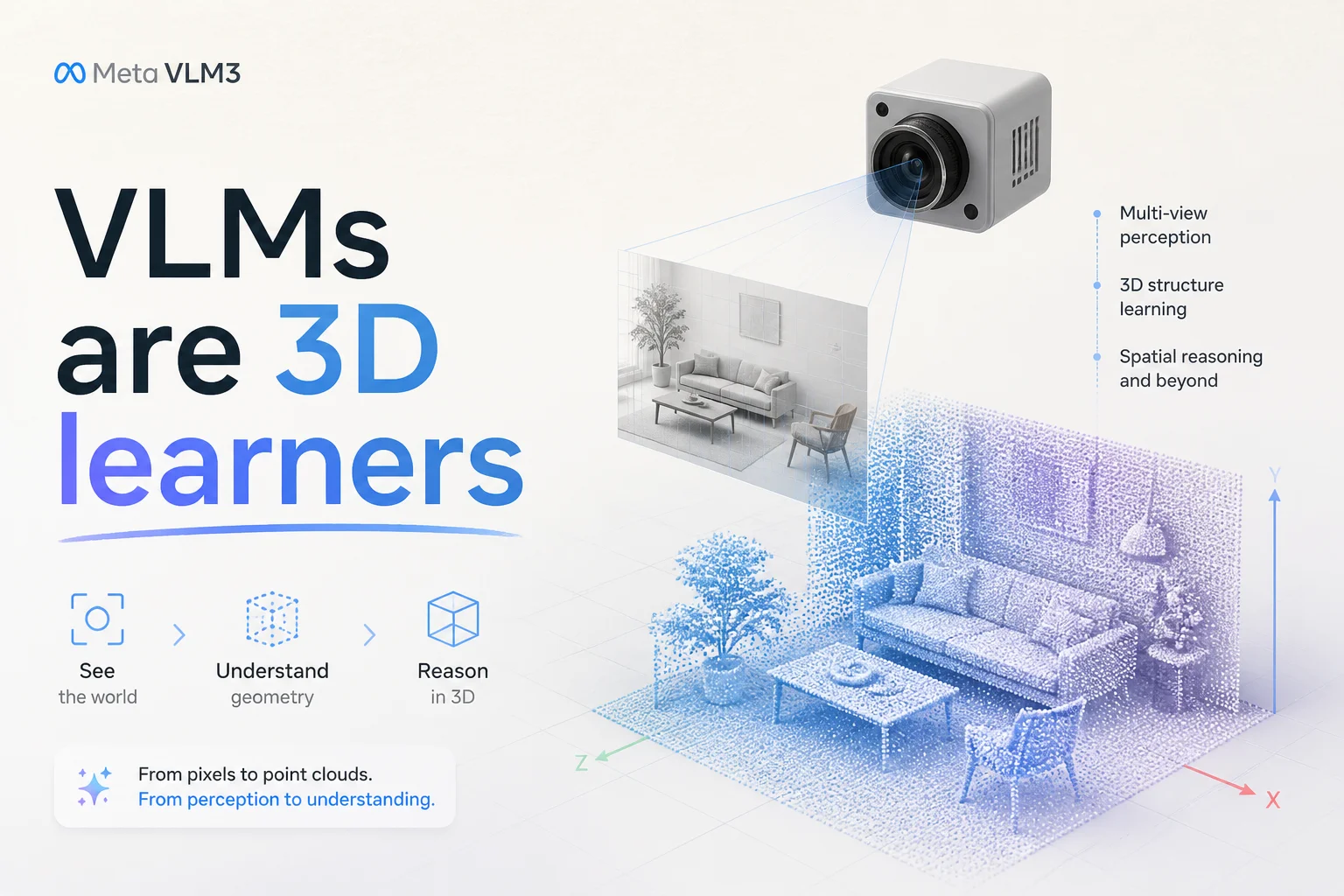
VLM3 matches expert 3D vision models on depth, correspondence, and pose with three tricks: focal length unification, text pixel refs, and data scaling. No custom loss required.
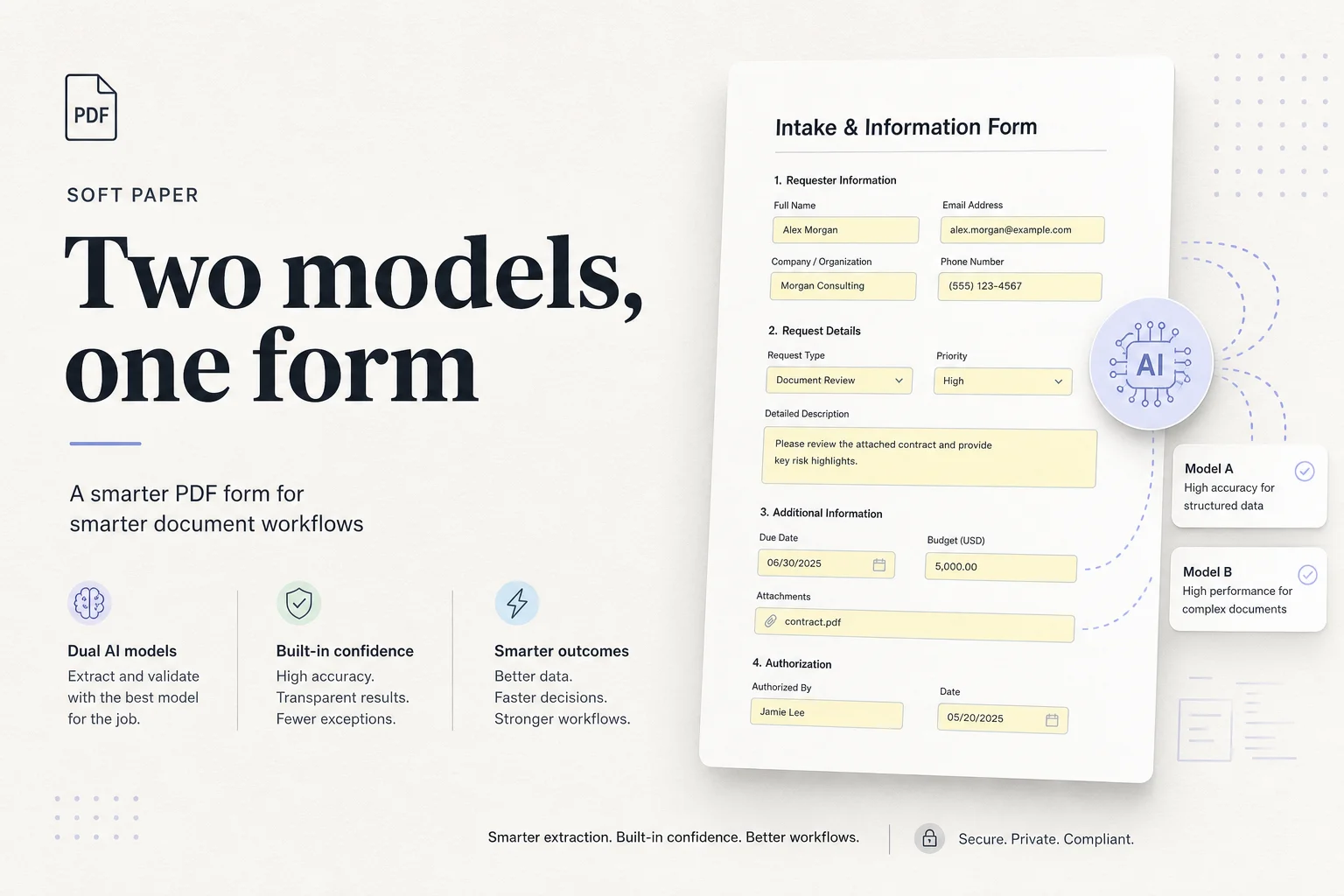
Vision-language agents score under 1% on end-to-end PDF forms until FieldFinder helps them find input fields. Two models, one task, 54-point gains.
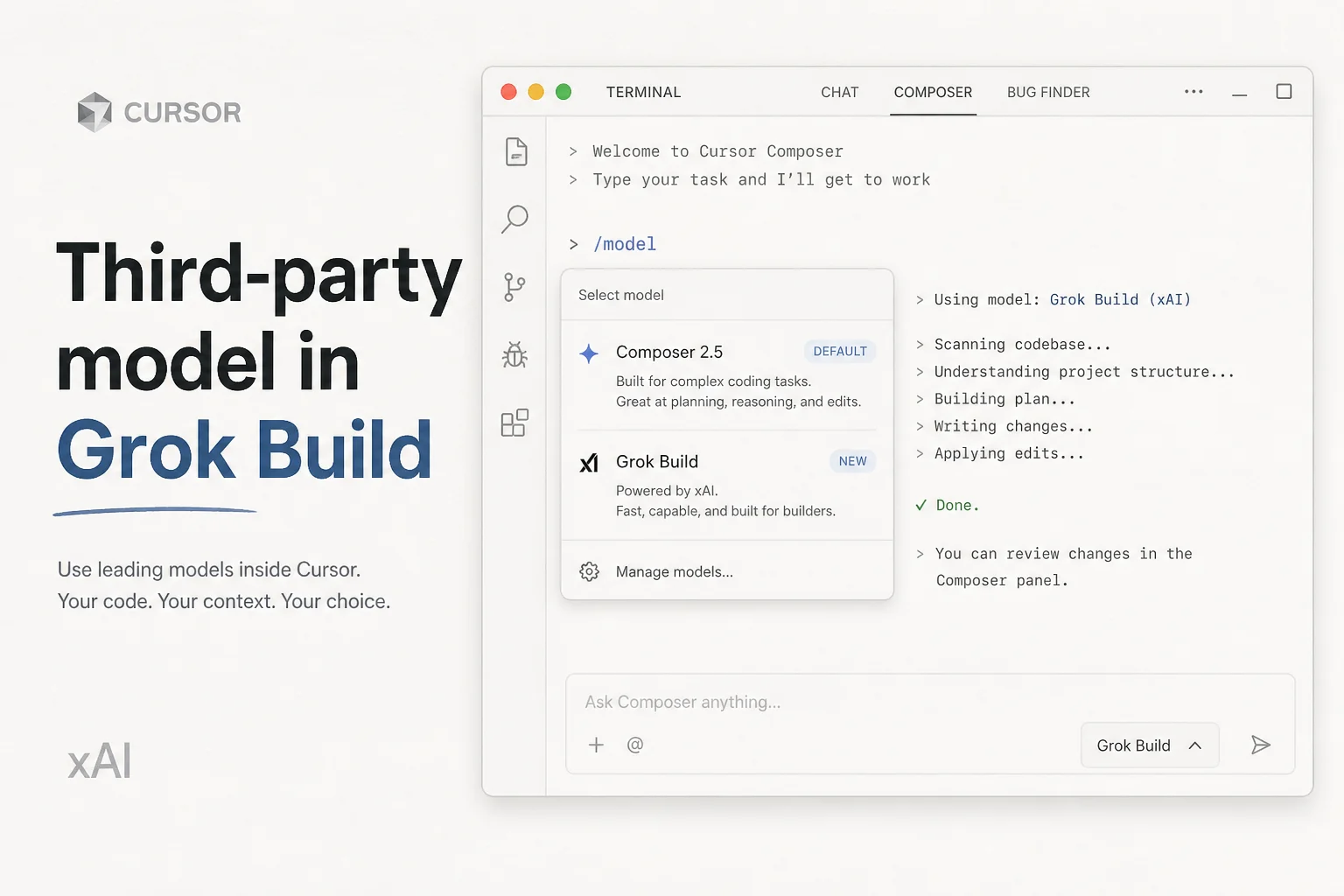
Composer 2.5 is now a third-party model in Grok Build's /model menu. Here's what that means for terminal agents, model routing, and who should switch.
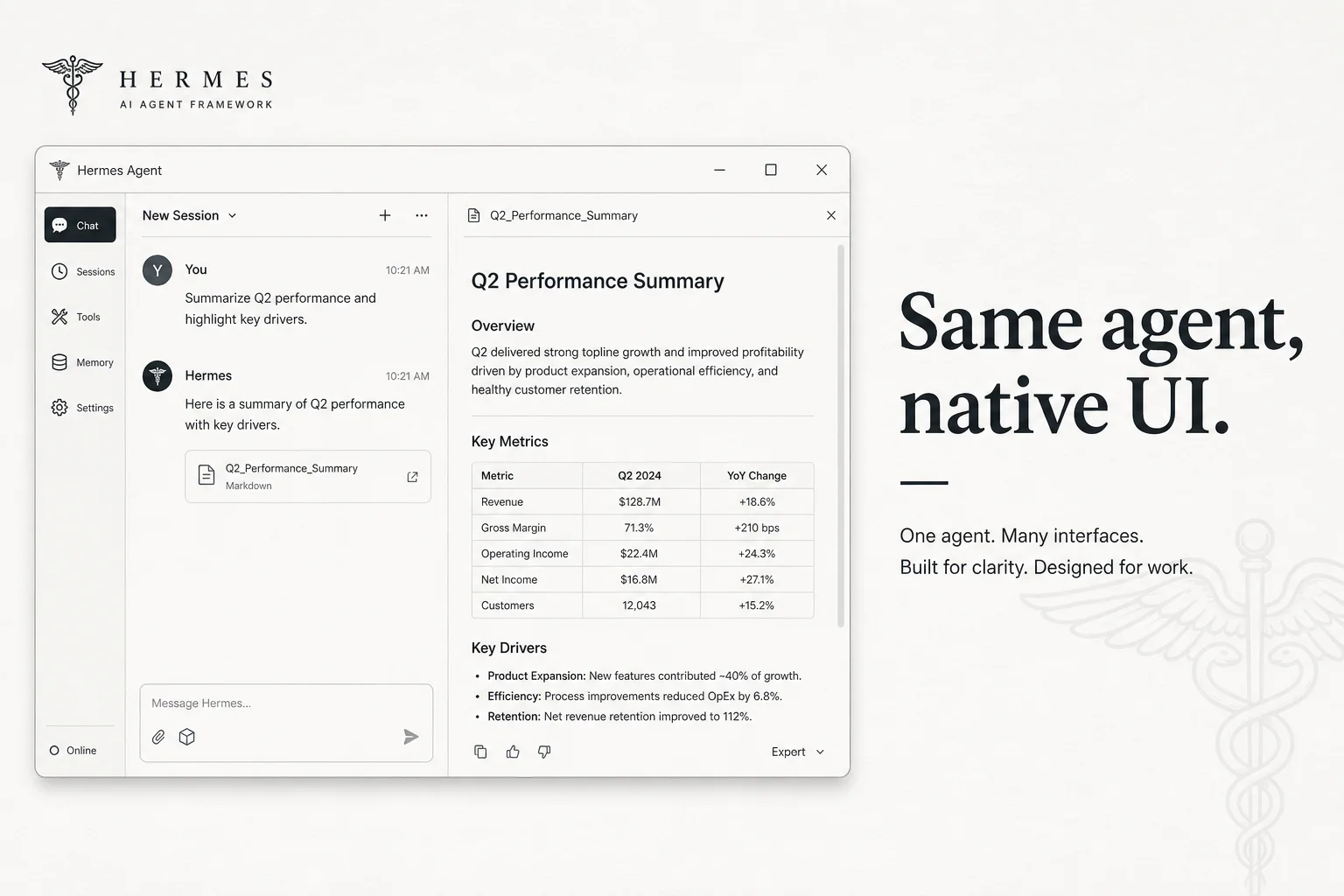
Nous Research shipped Hermes Desktop for Mac, Windows, and Linux. Same agent core as the CLI, with previews, voice, and settings in a real app window.

Codex Sites builds, deploys, and hosts lightweight web apps from plain English. Here's who gets access, what actually ships, and when I'd use it on client work.
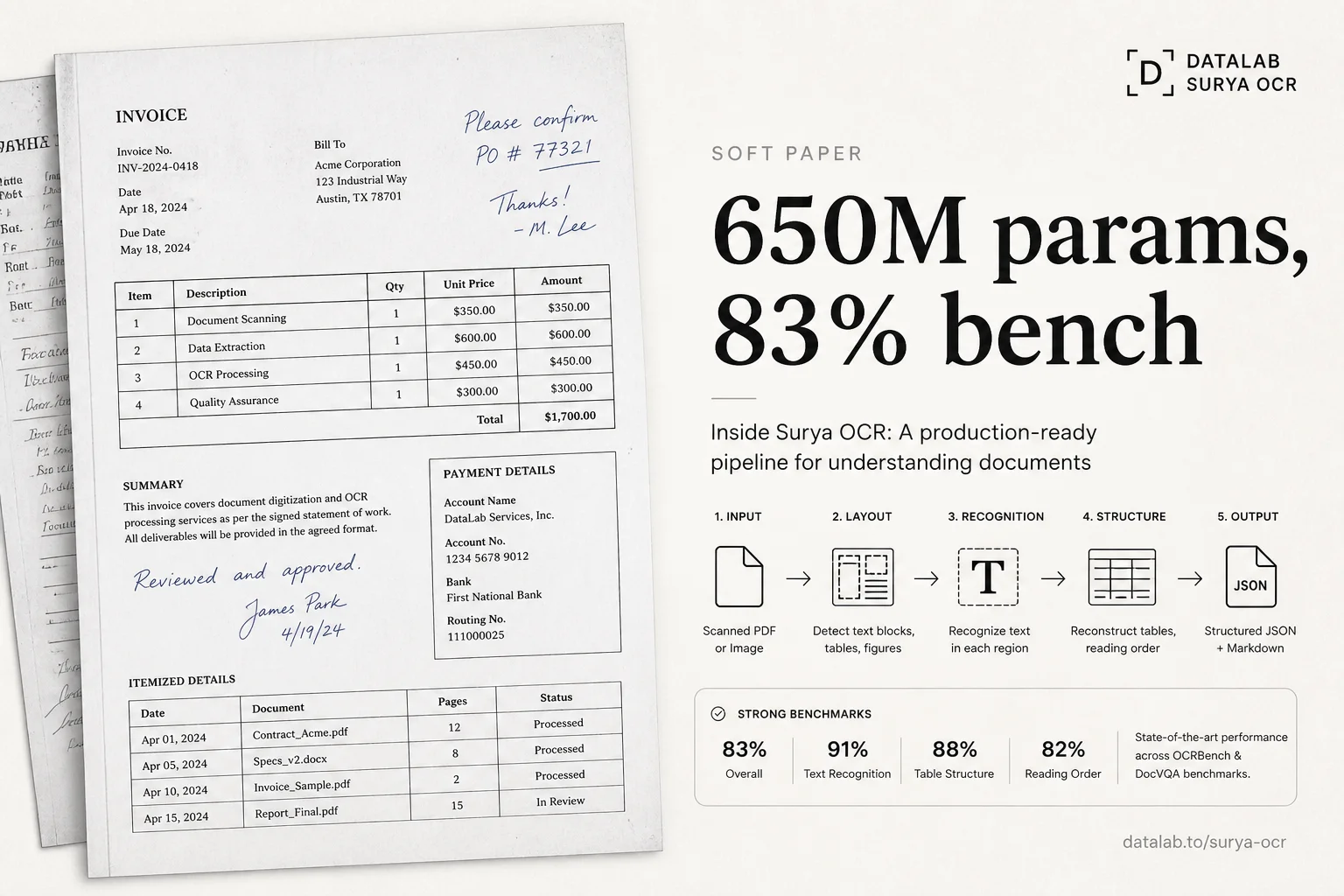
Datalab's Surya 2 scores 83.3% on olmOCR-bench with a 650M VLM. One model for OCR, layout, tables, and reading order. Runs on GPU or Apple Silicon.
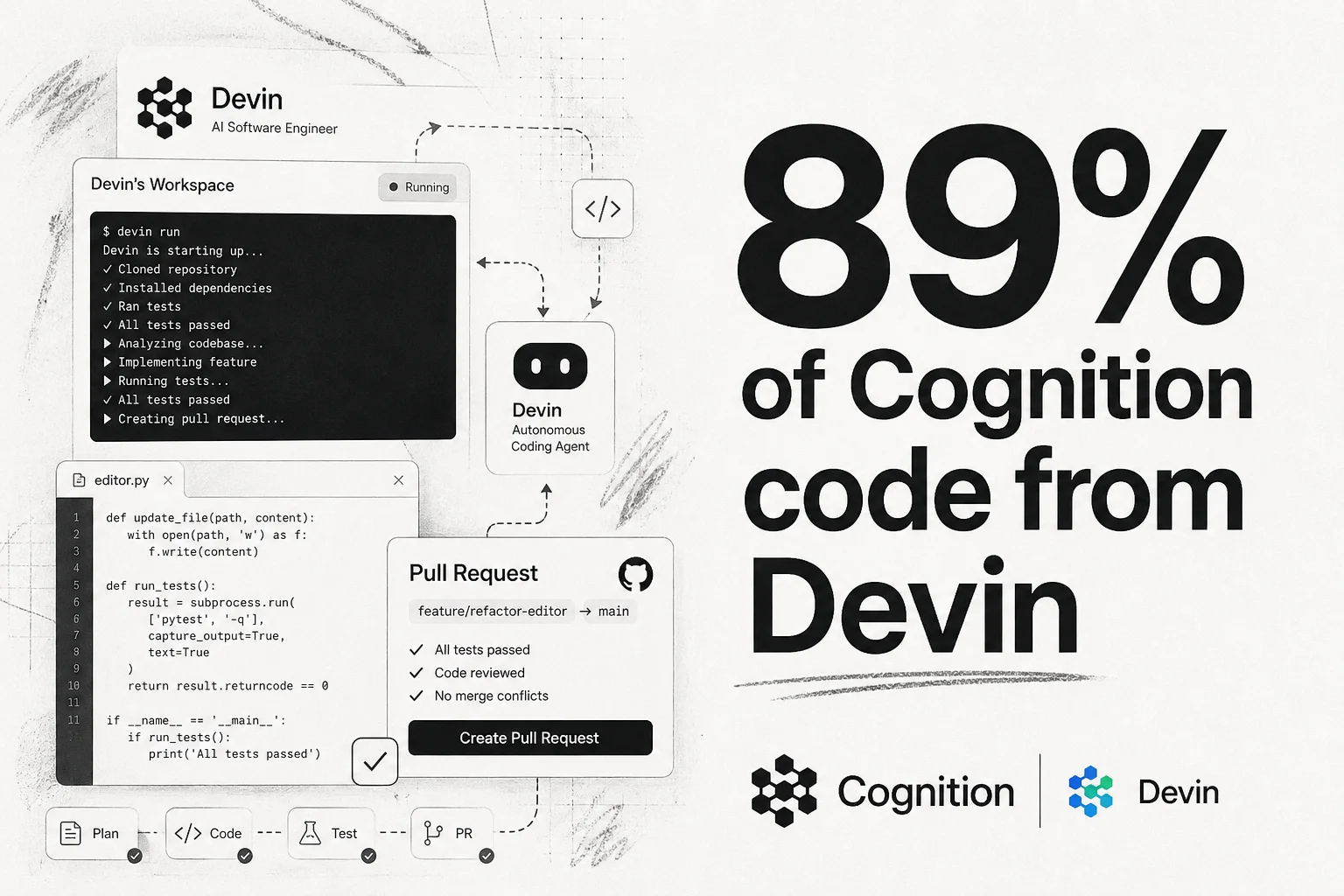
Cognition closed a $1B Series D at a $26B valuation with $492M run-rate revenue. The clearest proof point is internal: 89% of Cognition's committed code now comes from Devin. Here's what that means if you ship software for a living.
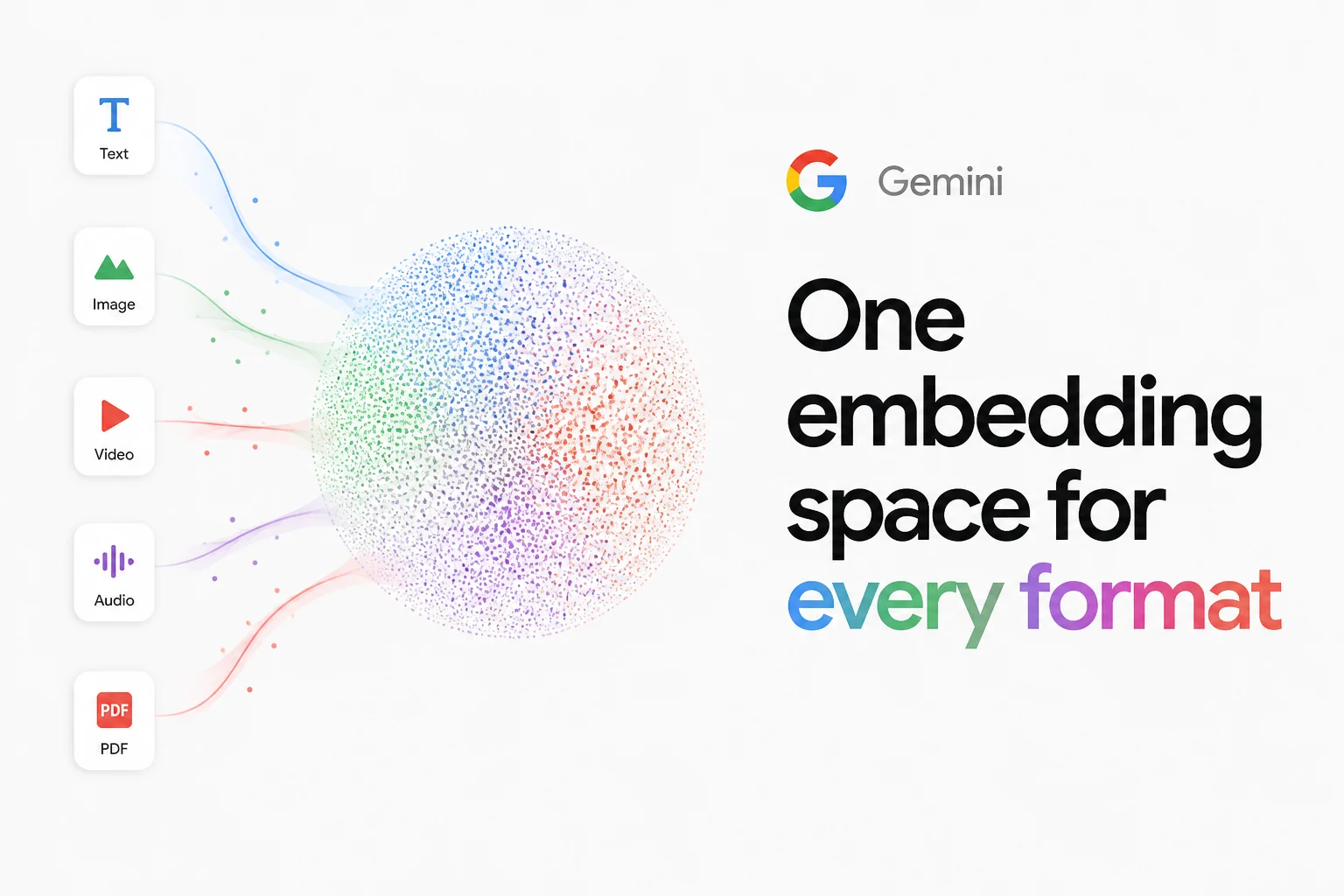
Google's Gemini Embedding 2 maps text, images, video, audio, and PDFs into a single vector space. One ingestion pipeline, cross-modal retrieval, and a cleaner path to multimodal RAG in production.
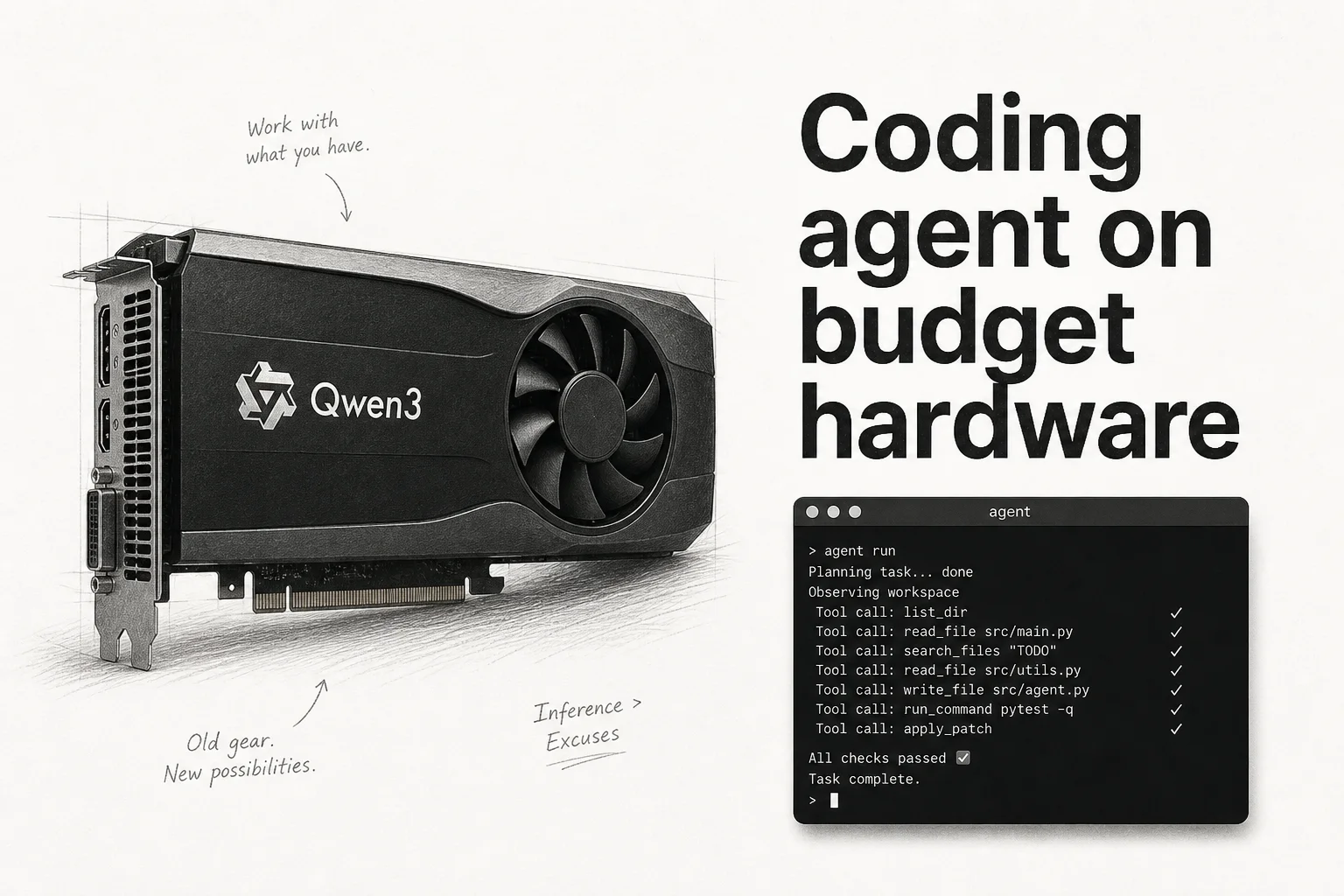
Qwen3 8B at Q4_K_M fits in about 5 GB of VRAM and hits roughly 20–50 tok/s on consumer GPUs, including older cards. Here is how to think about local agentic coding without the Mac Mini hype.
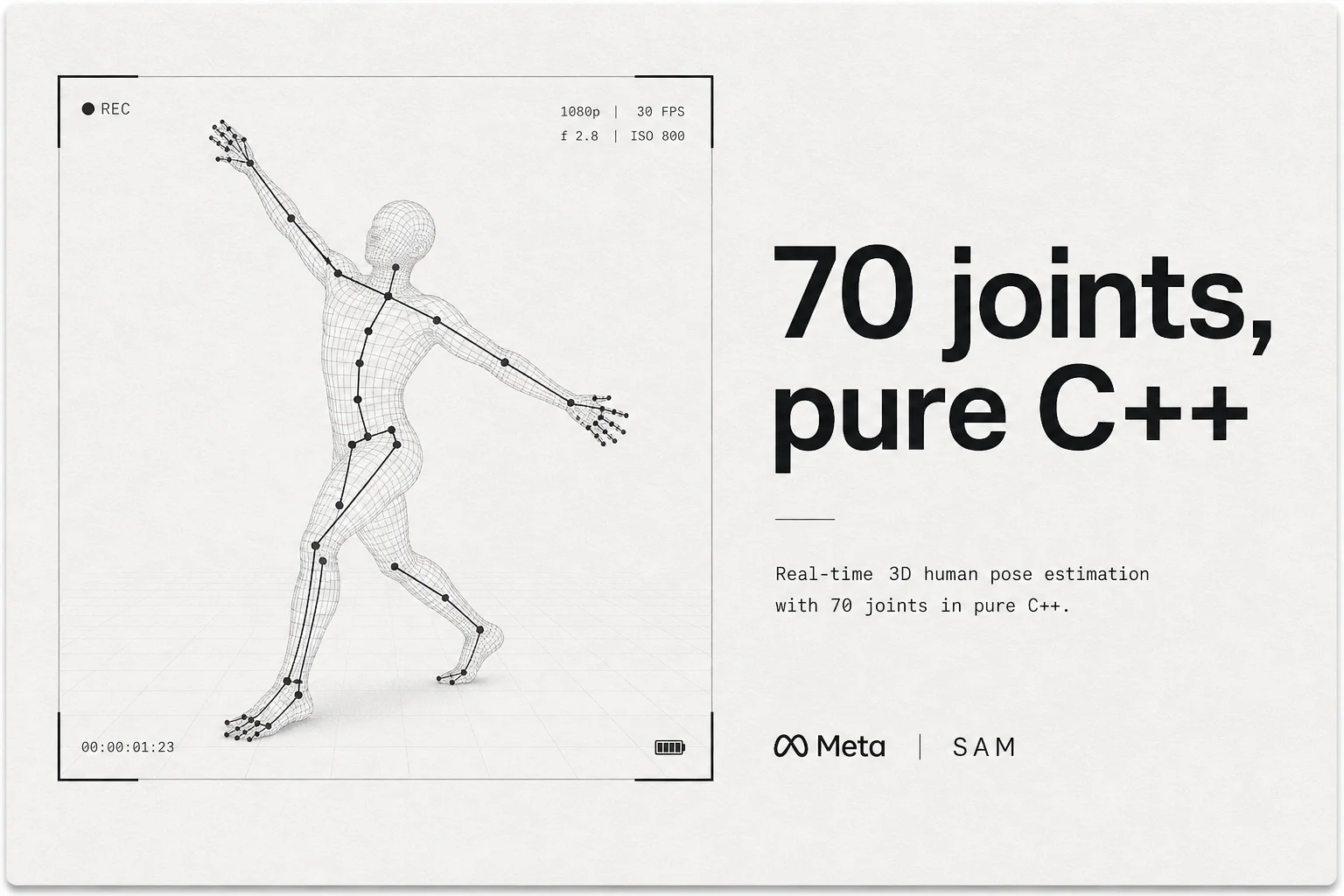
Most 3D body tracking stacks need Python and PyTorch at runtime. SAM3DBody-cpp wraps Meta's SAM 3D Body model in a standalone C++ engine with ONNX Runtime, outputting 70 joints and full meshes from a camera feed.
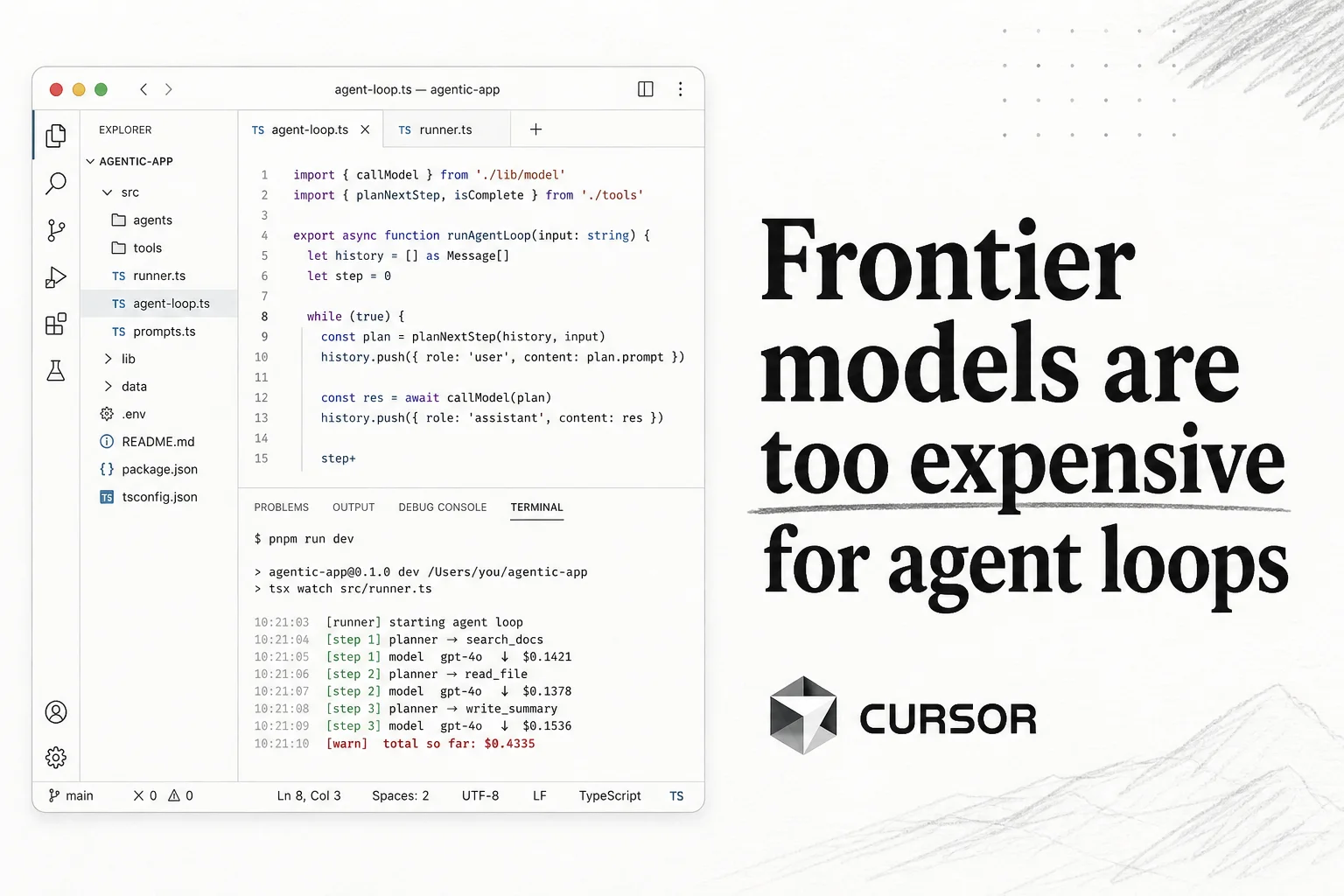
Composer 2.5 scores 62 on the Coding Agent Index at $0.07 per task while Opus 4.7 costs $4.10. Here's the hybrid routing math I use when agent loops would bankrupt a frontier-only stack.
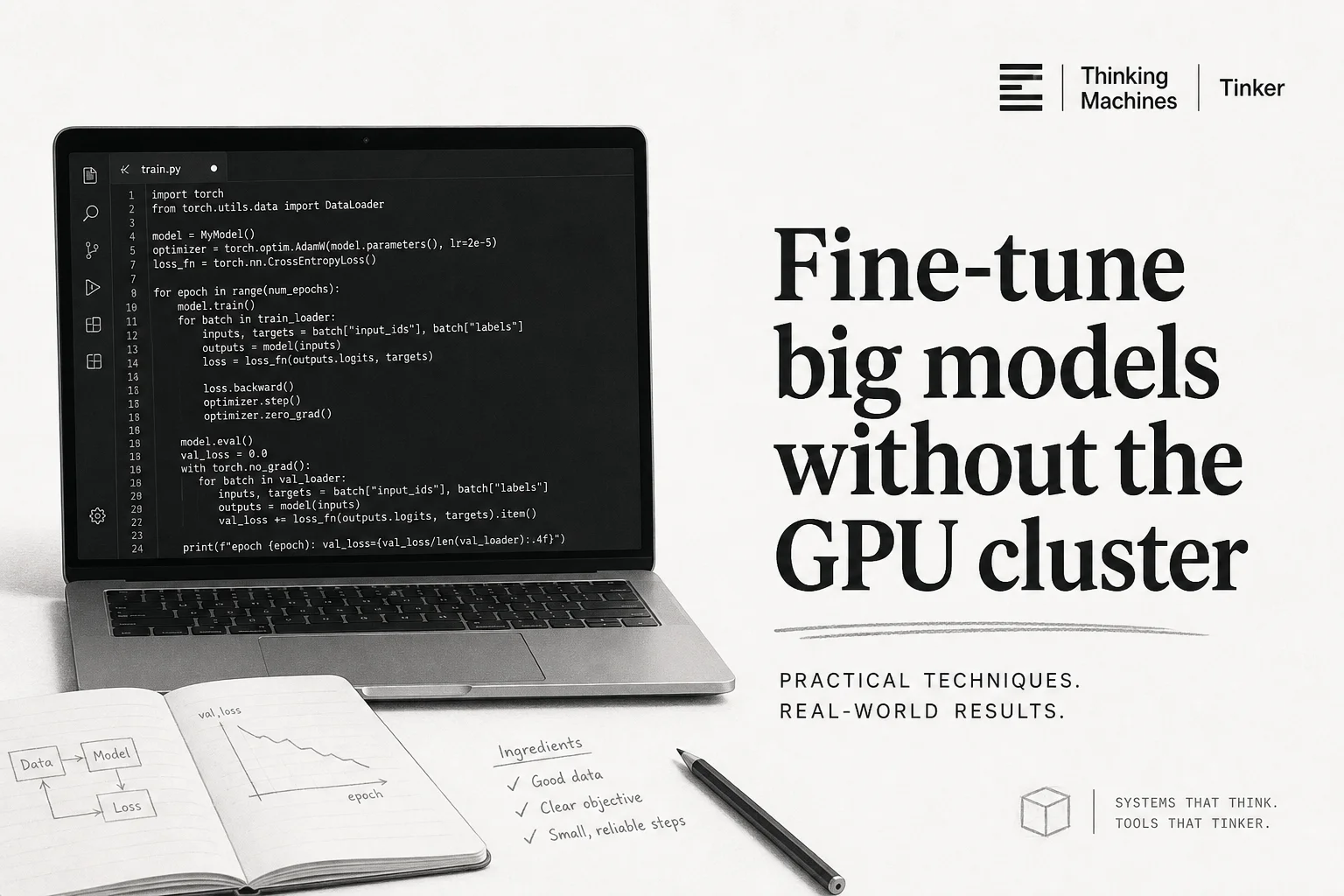
Thinking Machines Lab's Tinker API runs distributed LoRA training while you write a normal Python loop on your laptop. Here's how it fits the Cursor playbook for teams that are not Cursor.

A free DeepSeek v4 flash session produced a 410-line SIP003 HTTP/2 obfuscator for Shadowsocks with zero hand-written Go. The story is what coding agents already know about protocol plugins, not circumvention hype.