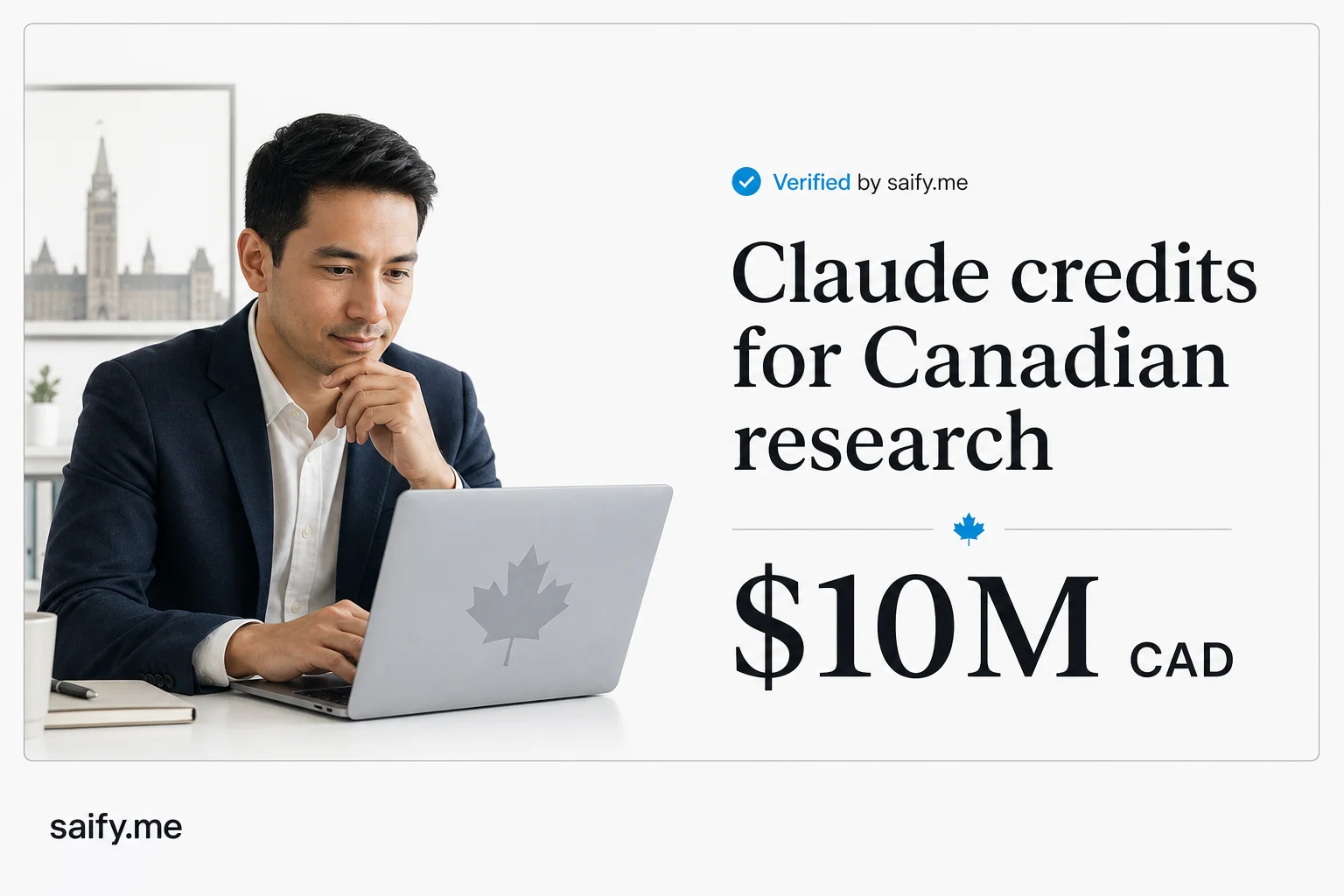
Anthropic put $10M CAD in Claude credits…
The July 2026 commitment funds Amii, Mila, Vector, CHEO, CAMH, Université Laval, U of T, and U of Saskatchewan with no-strings Claude API credits plus startup program access for affiliated founders.
The July 2026 commitment funds Amii, Mila, Vector, CHEO, CAMH, Université Laval, U of T, and U of Saskatchewan with no-strings Claude API credits plus startup program access for affiliated founders.
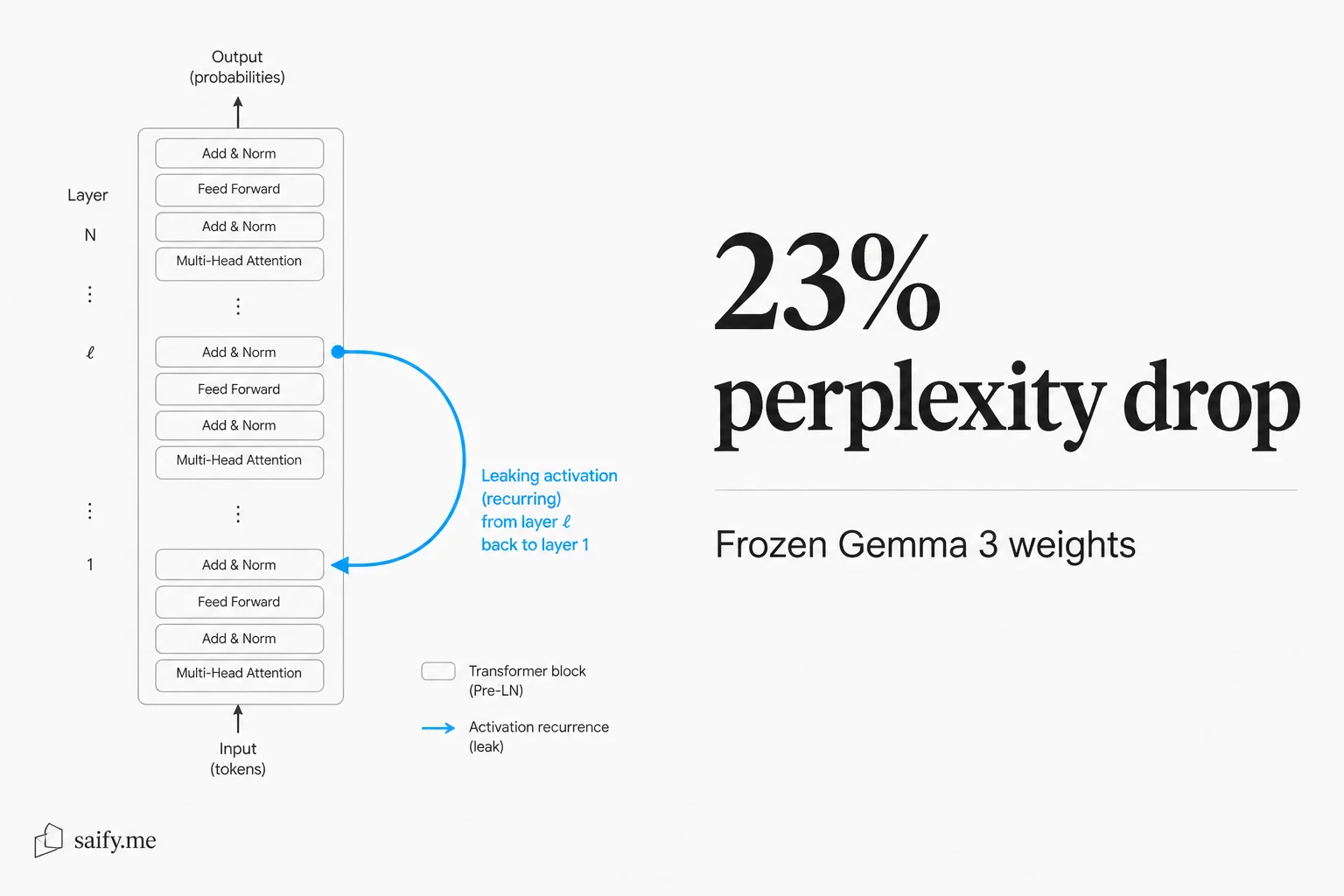
Google DeepMind's recirculation paper adds inference-time recurrence to frozen Gemma 3 checkpoints. Adaptive recirculation cuts perplexity about 23% and lifts GSM8K accuracy about 21%, with almost no extra cost during token generation but slower prefill.

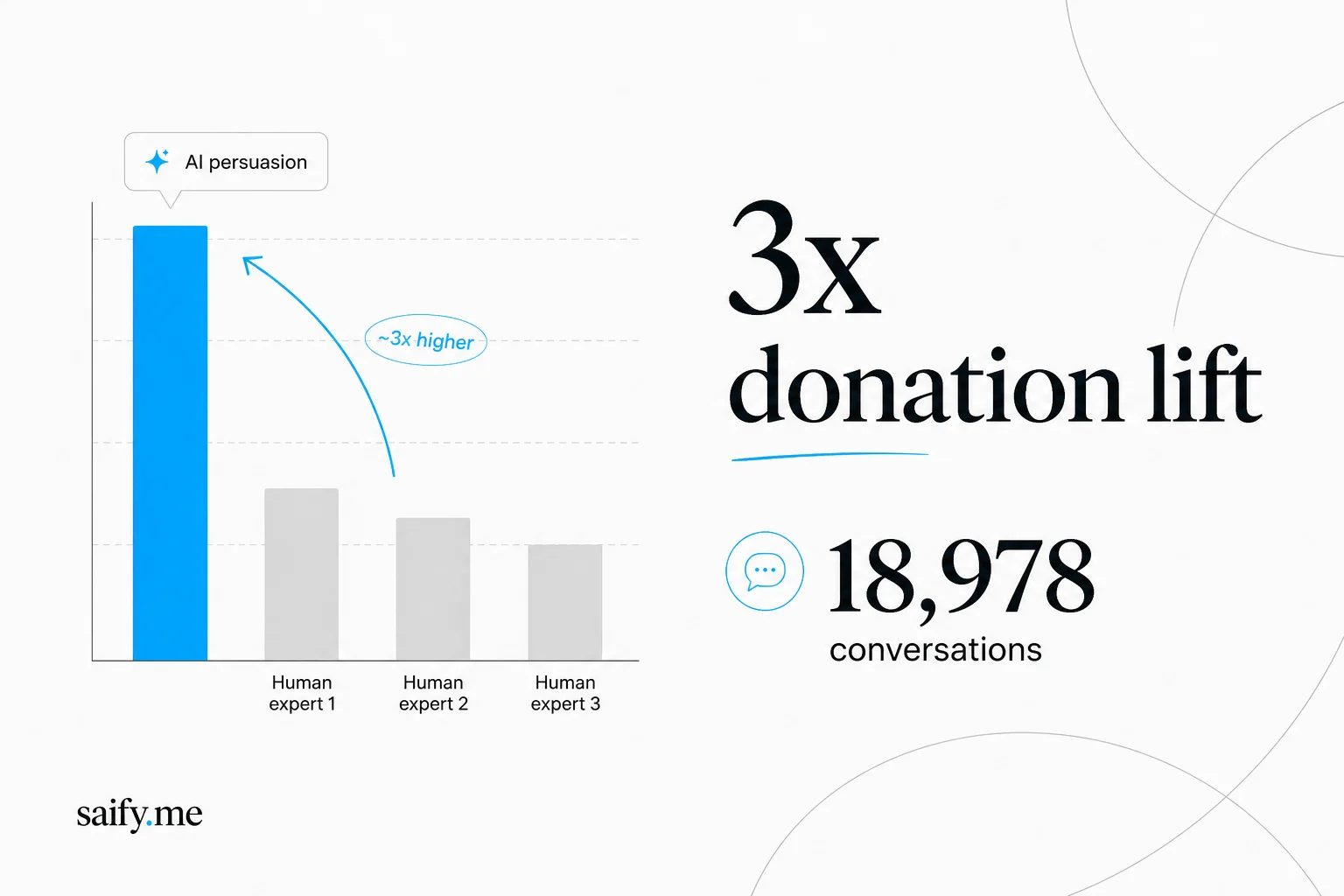
Oxford and UK AISI ran four preregistered studies with 18,978 conversations. AI beat tournament winners, elite debaters, and paid UK canvassers. The edge came from information throughput, not empathy. Speed-matched AI tied the best humans.

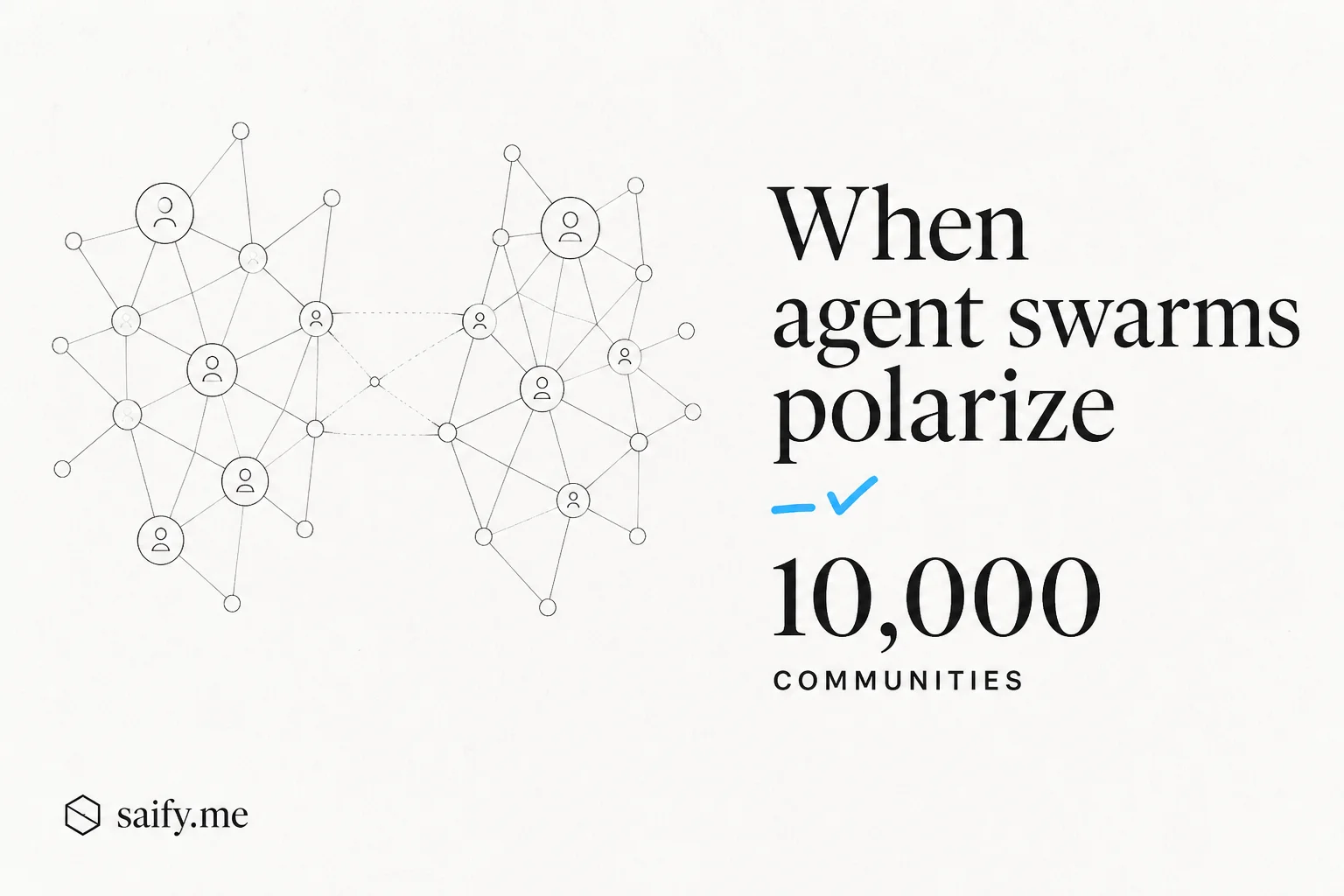
Stanford researchers simulated 10,000+ LLM agent communities and found three collective regimes. On math, interaction improves accuracy. On politics, fleets drift right. An Ising-style model predicts both.

Faraday is a 27B agent trained with long-horizon RL to replicate research figures. Inherent reports it beats Claude Opus 4.8 and GPT-5.5 on its Replica benchmark by directing Codex as a tool.

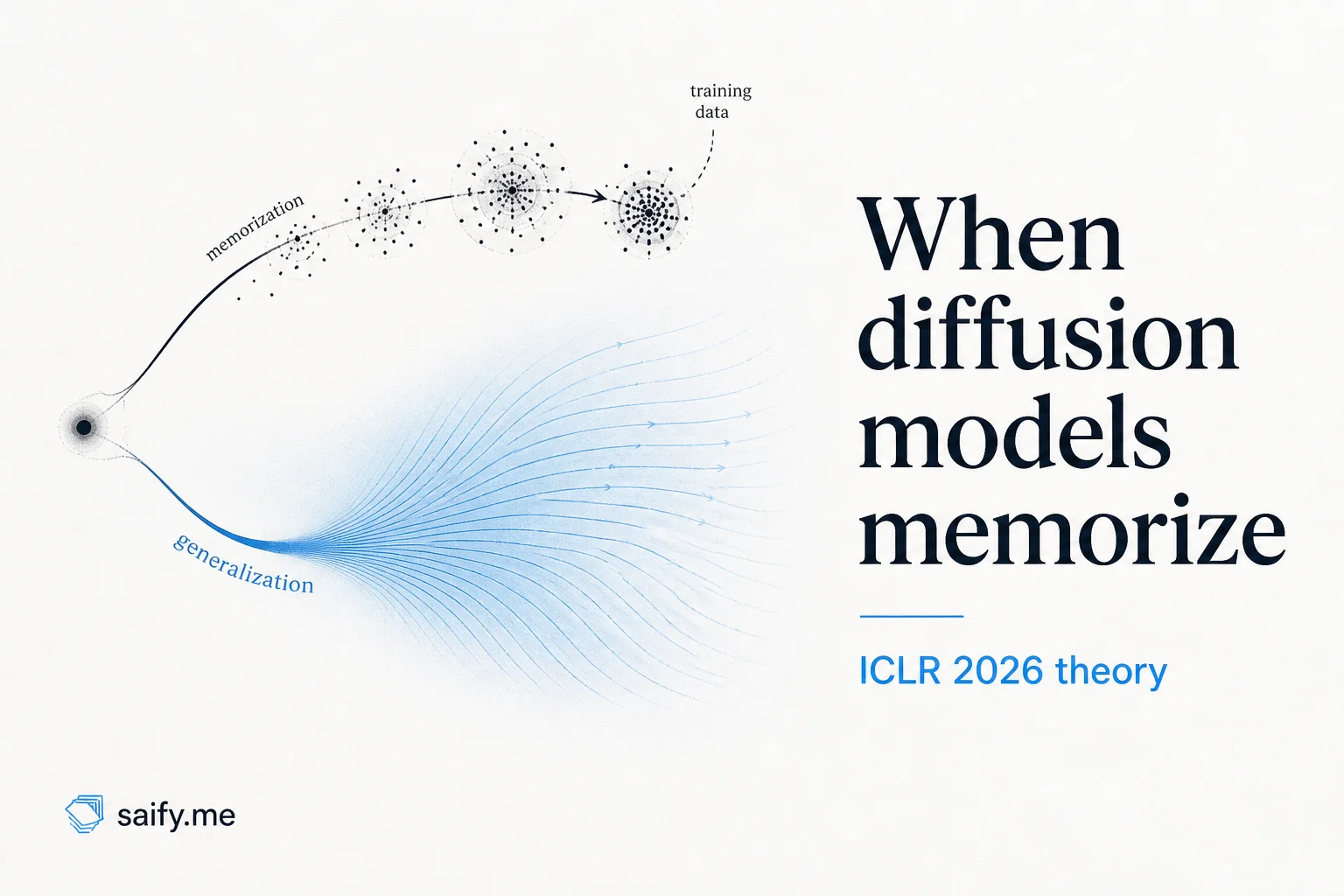
Two ICLR 2026 papers pin down why diffusion models memorize training data and when they still generalize at inference. Here is the dual-separation framework and what it means for image pipelines you ship.

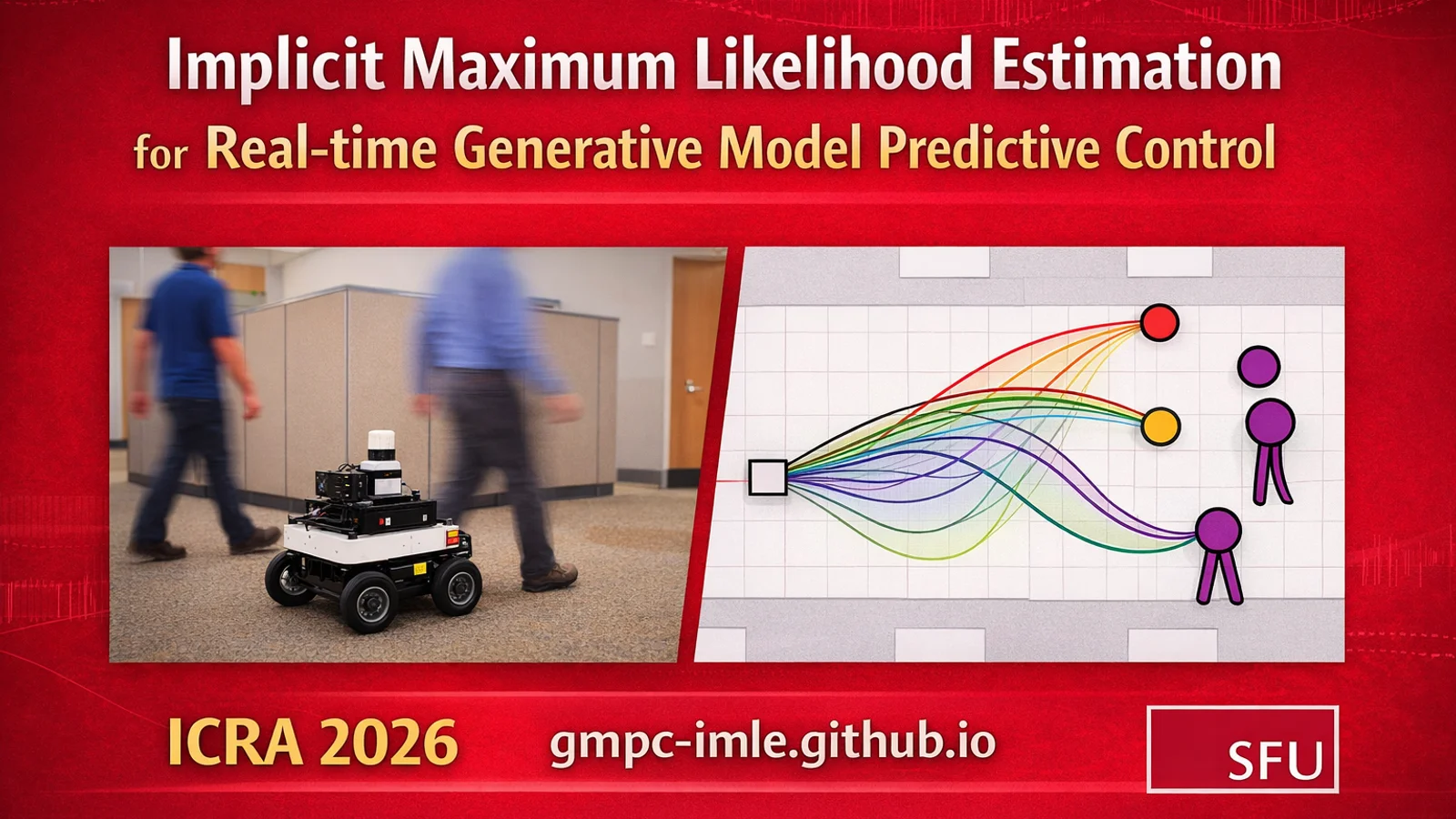
IMLE-based generative MPC hits competitive offline RL scores while sampling trajectories over 20x faster than Diffuser. Real robots can replan around people without waiting on denoising.

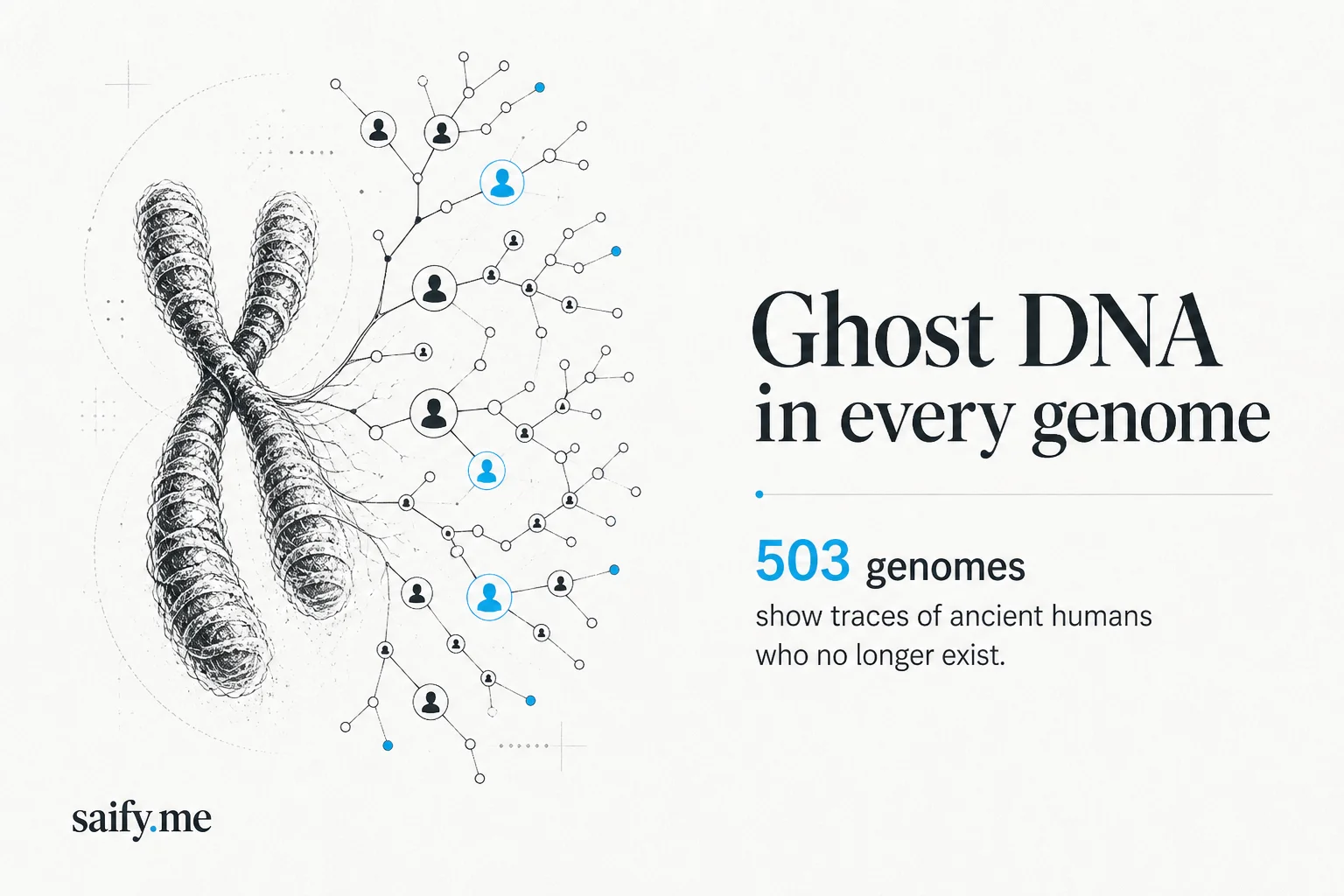
A Science study analyzed 503 modern genomes with a new TRACE model and found archaic ancestry that matches no known Neanderthal or Denisovan sequence in every population tested. Roughly 0.5 to 1 percent of non-African genomes may come from a branch that split off more than 500,000 years ago.

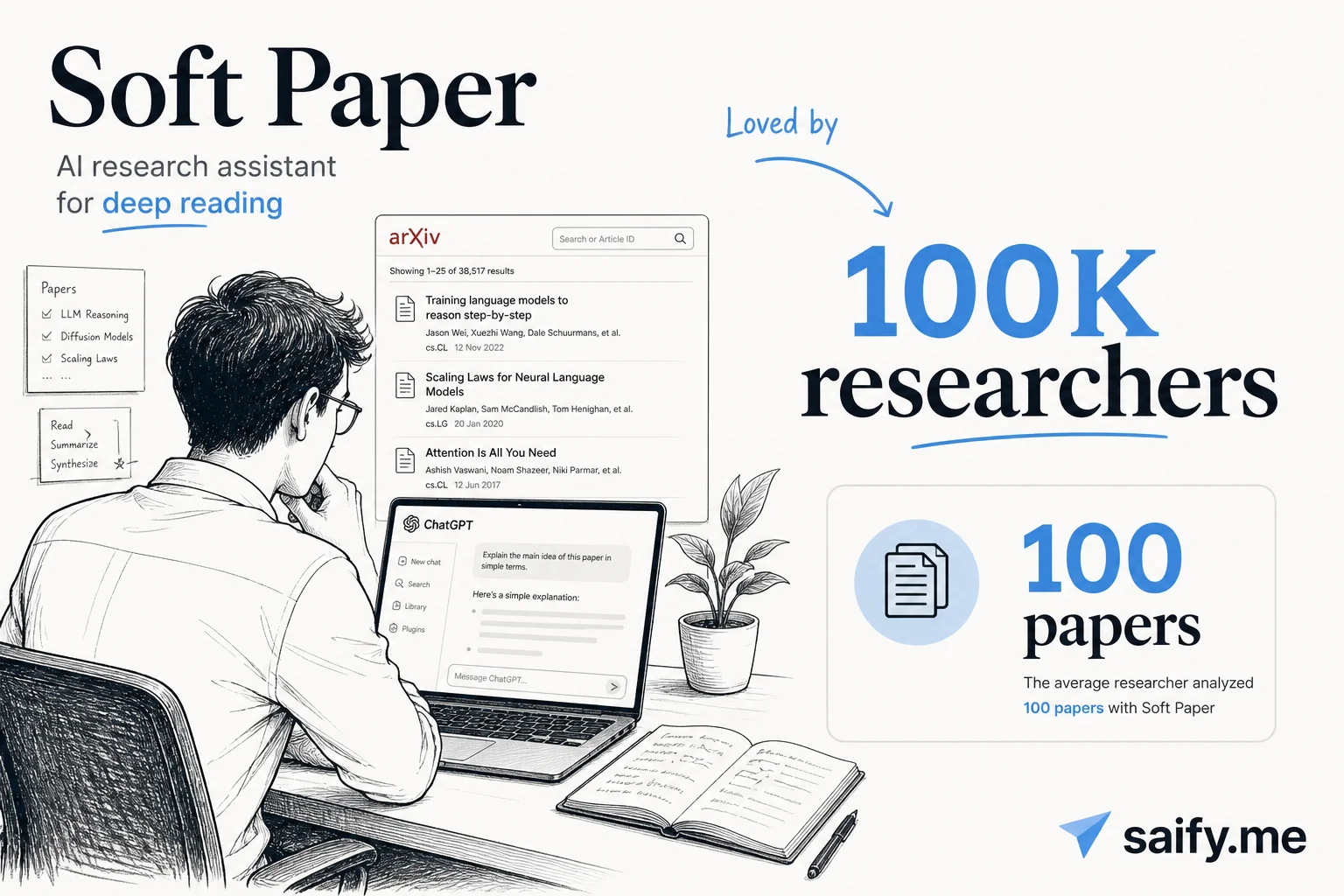
OpenAI's new program gives 100K researchers free ChatGPT access as arXiv math papers crediting ChatGPT jumped from 14 to 100 in five months. What that means for RAG, citations, and lab budgets.

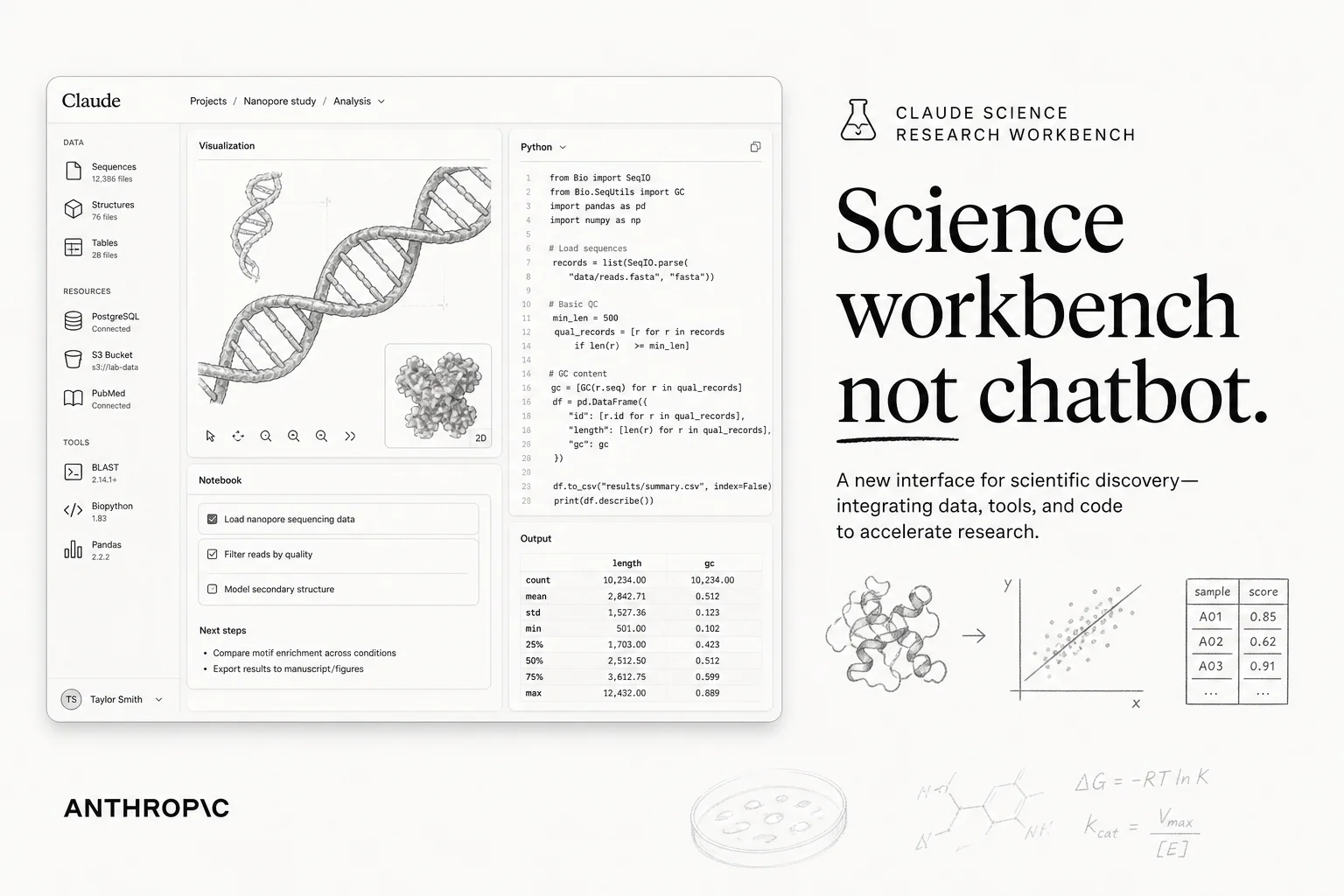
Anthropic launched Claude Science in beta on June 30: a macOS and Linux desktop app with 60+ database connectors, live code execution, HPC orchestration, and full provenance on every artifact. Here's what it actually does.

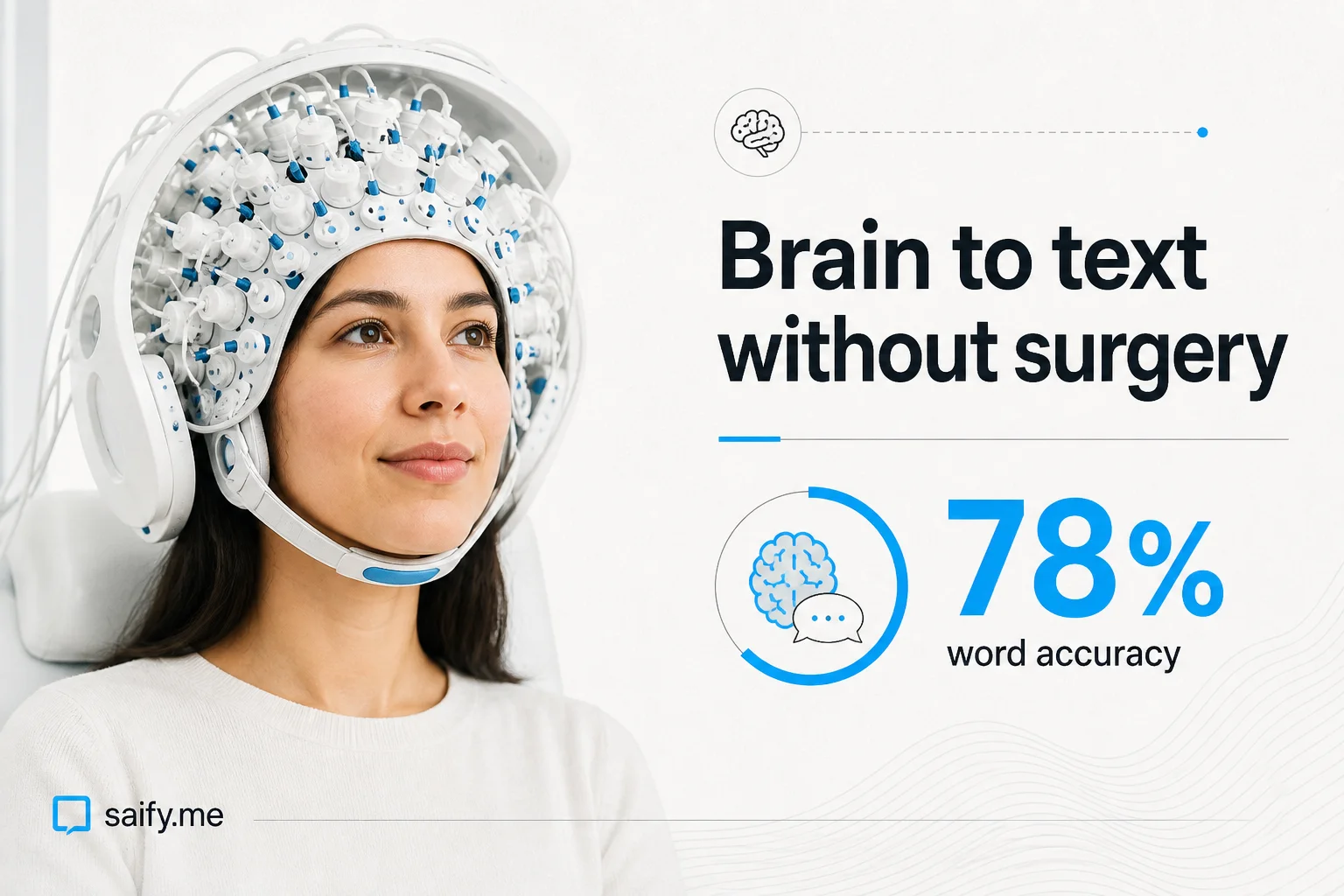
Brain2Qwerty v2 hits 78% word accuracy on the best participant using only a non-invasive MEG helmet. Meta open-sourced the training code. Here is what that means for applied AI and assistive tech.

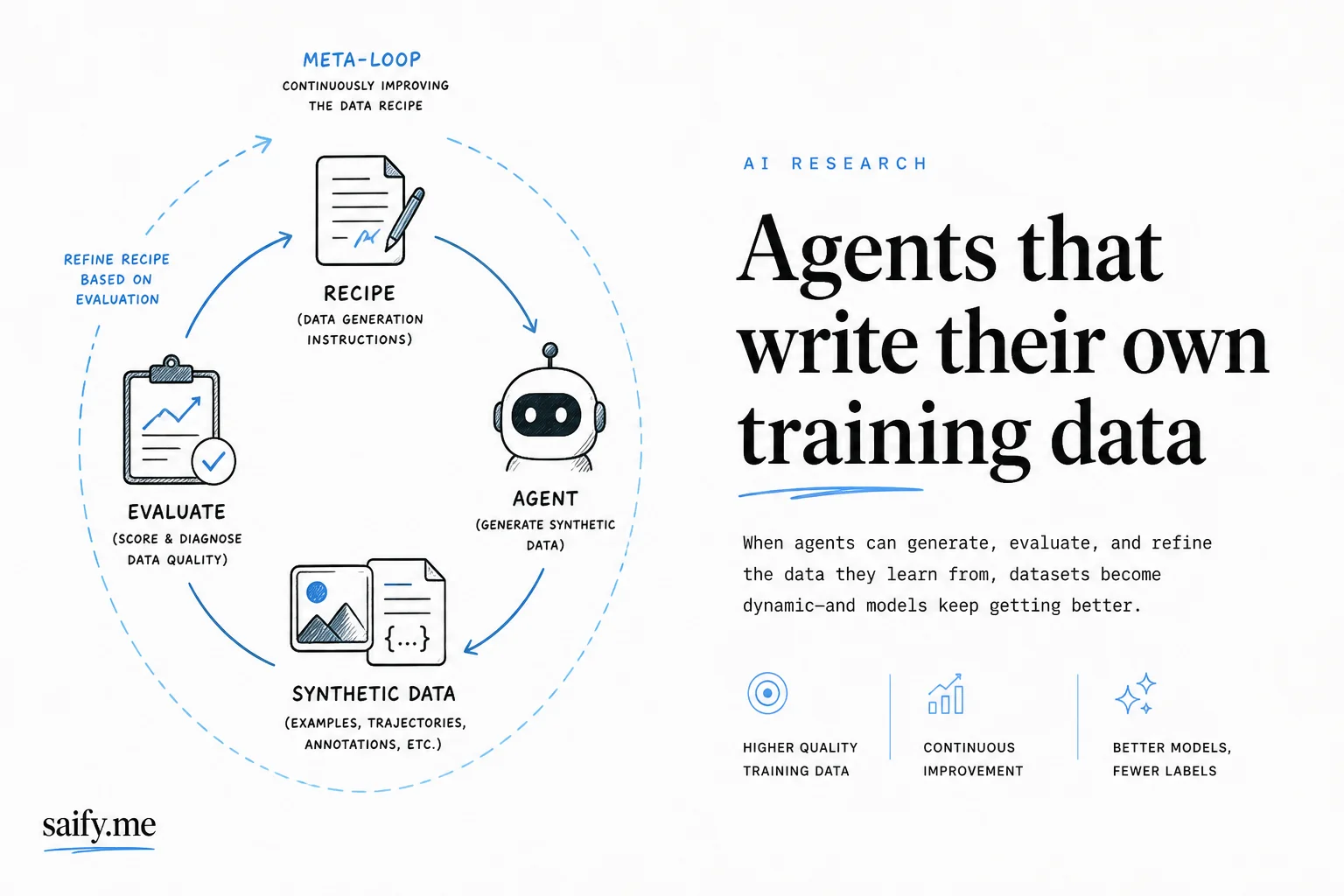
Jason Weston's Autodata at Meta FAIR treats agents as data scientists: inner loops build and score synthetic data, outer loops meta-optimize the agent so it learns better curation strategies.

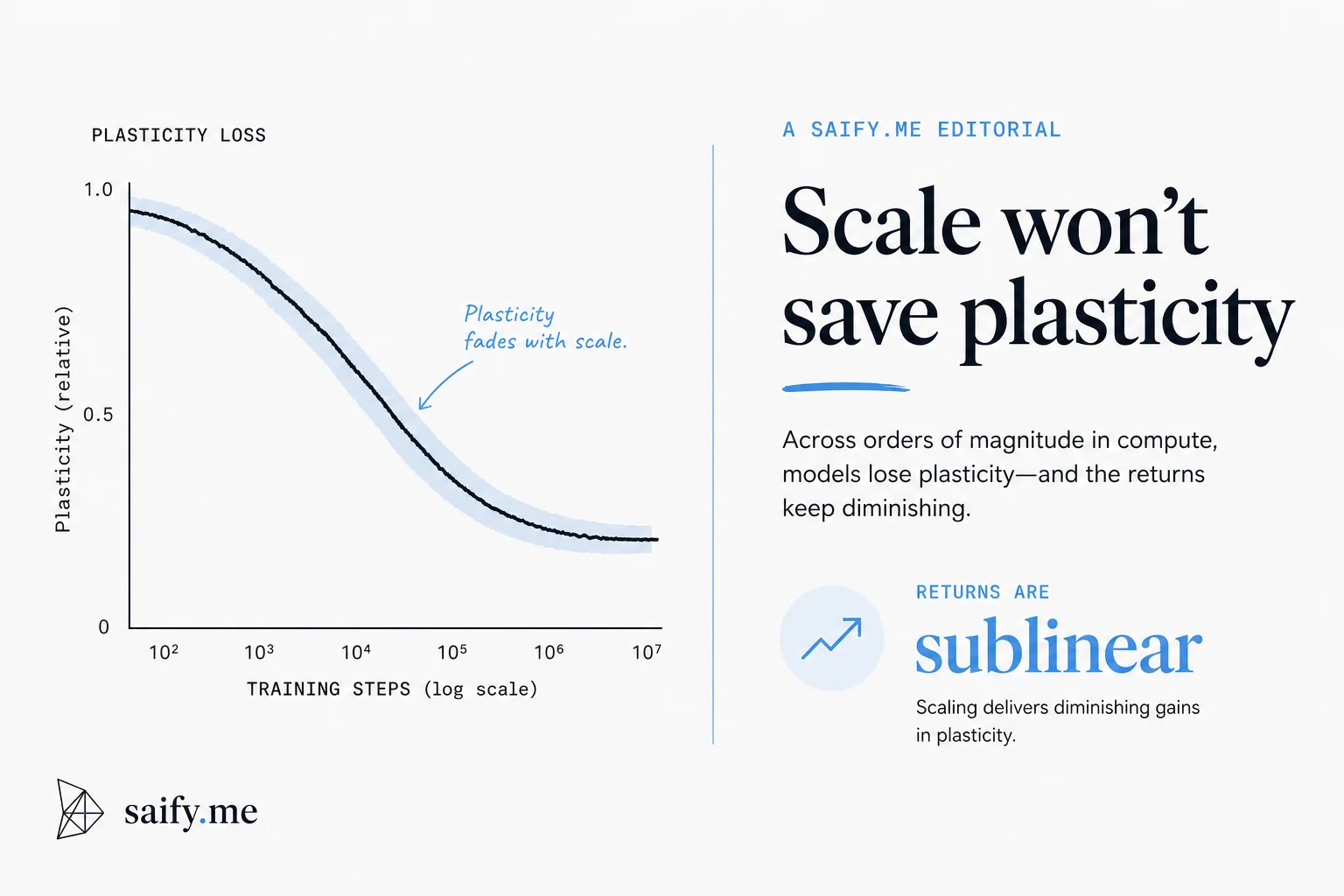
Zyphra Research found GPT-style transformers from 5M to 314M params lose plasticity during continual and even stationary training. Bigger models delay the cliff but scaling law gains are sublinear.

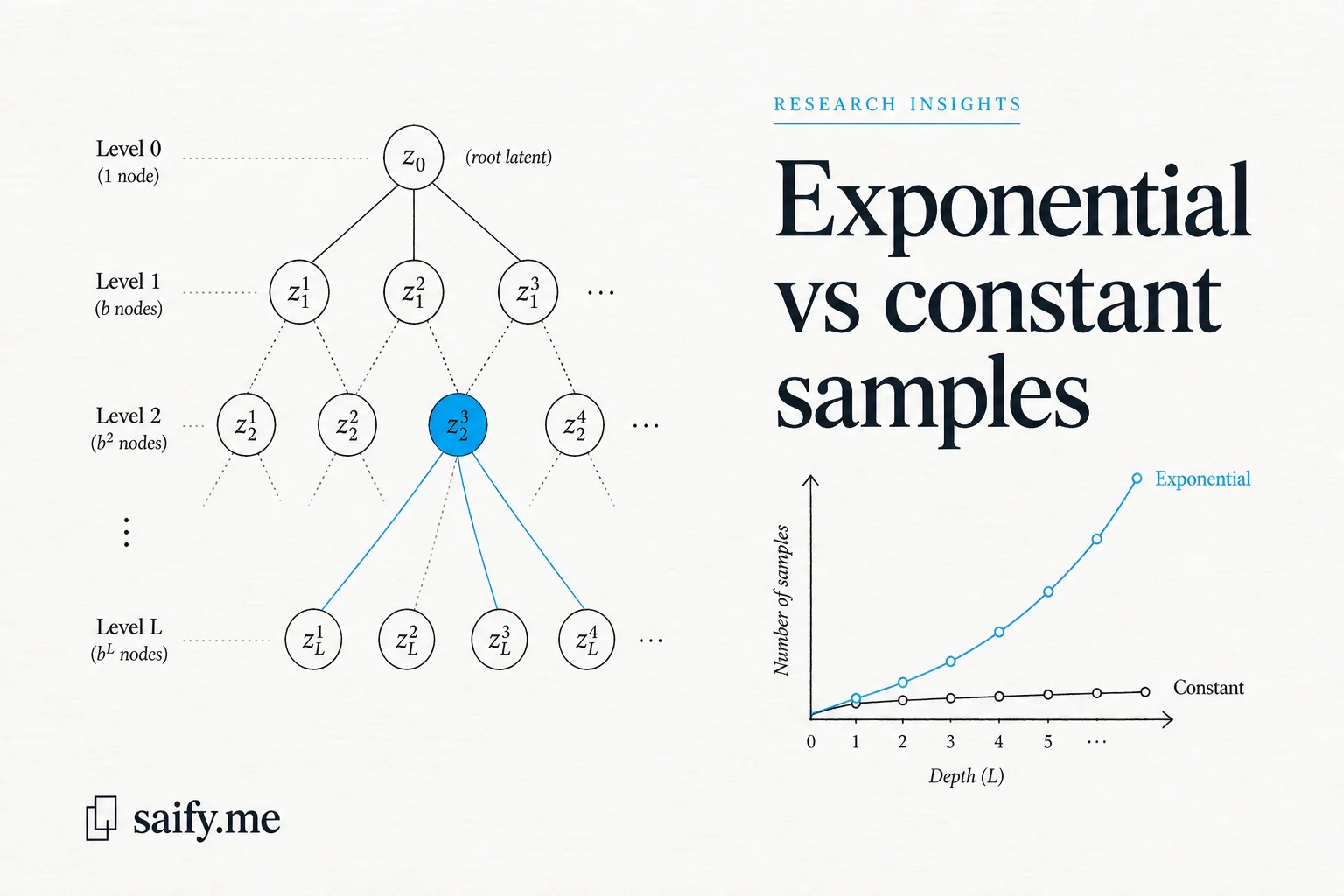
A new theory proves latent prediction recovers hierarchical structure with constant samples while token-level SSL needs exponential data. Here is what that means for JEPA, data2vec, and your pretraining budget.

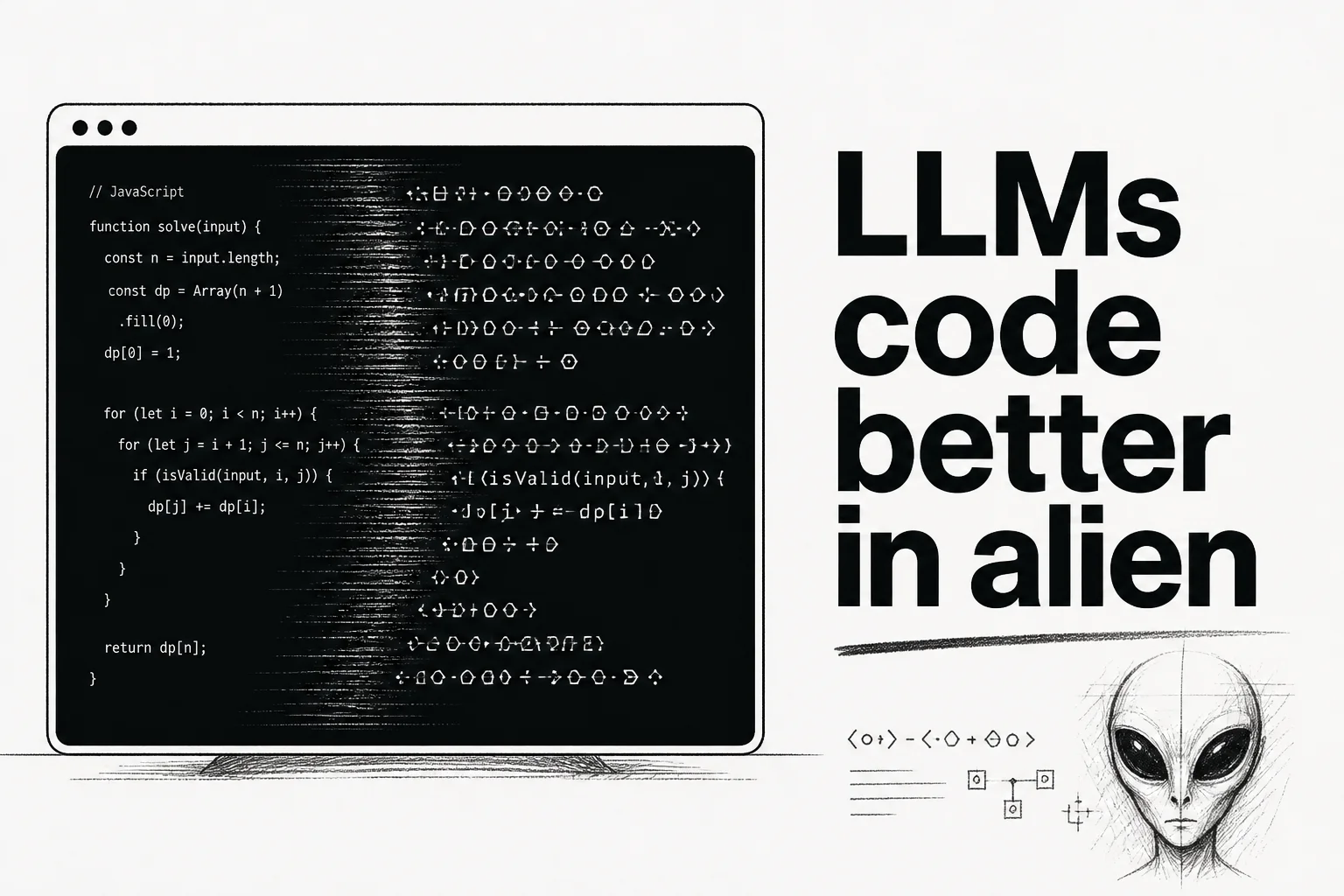
GLOSSOPETRAE generates procedural coding languages from a seed. At full opacity, human legibility drops to ~15% while Opus and GPT hit 97-100% task accuracy. Human readability hurts model performance.

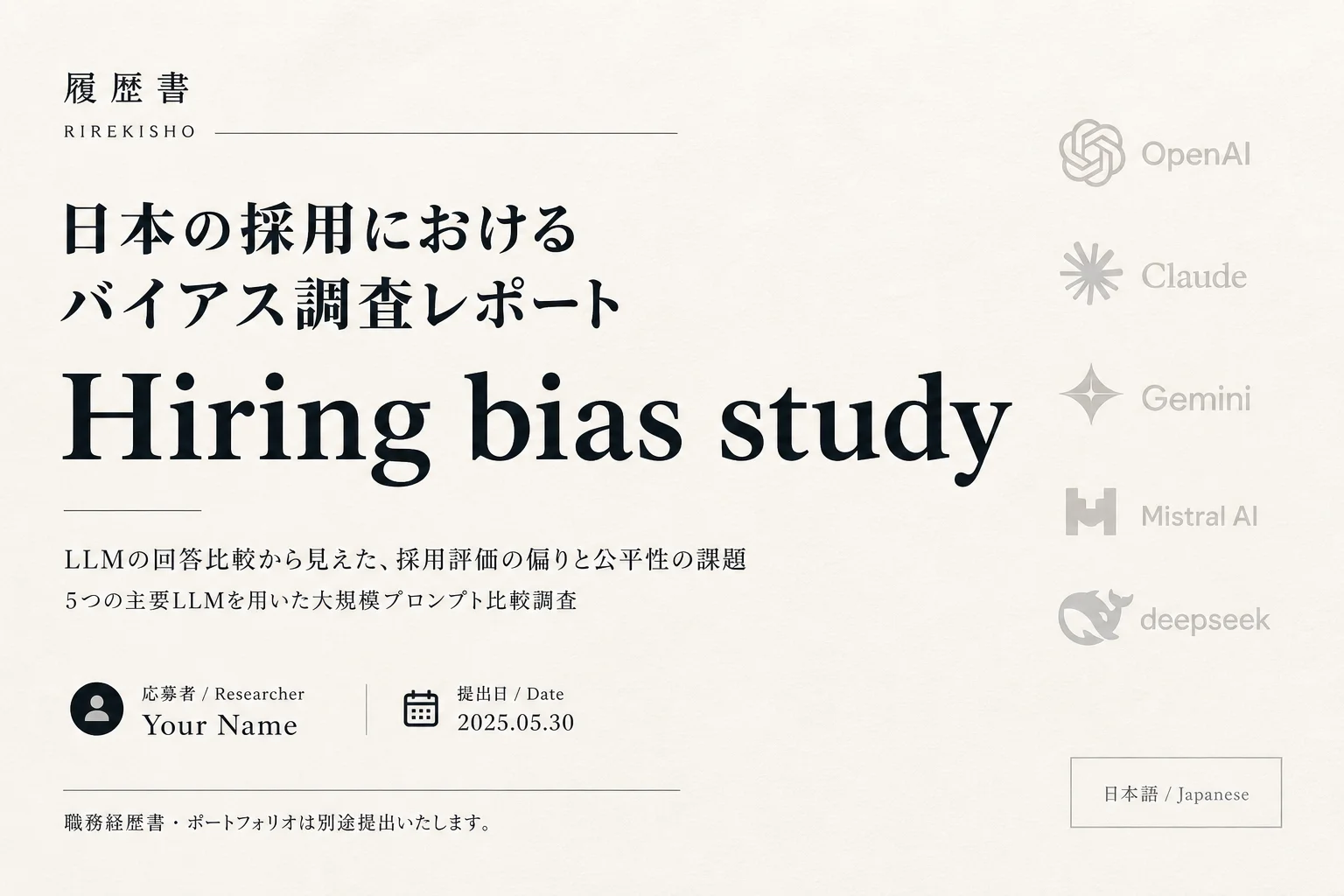
A 43,200-call study on rirekisho-format resumes finds significant pro-female bias across Claude, GPT-4o, DeepSeek, Gemini, and Llama. Prompt fixes failed. Name removal helped but broke GPT-4o safety filters 42% of the time.

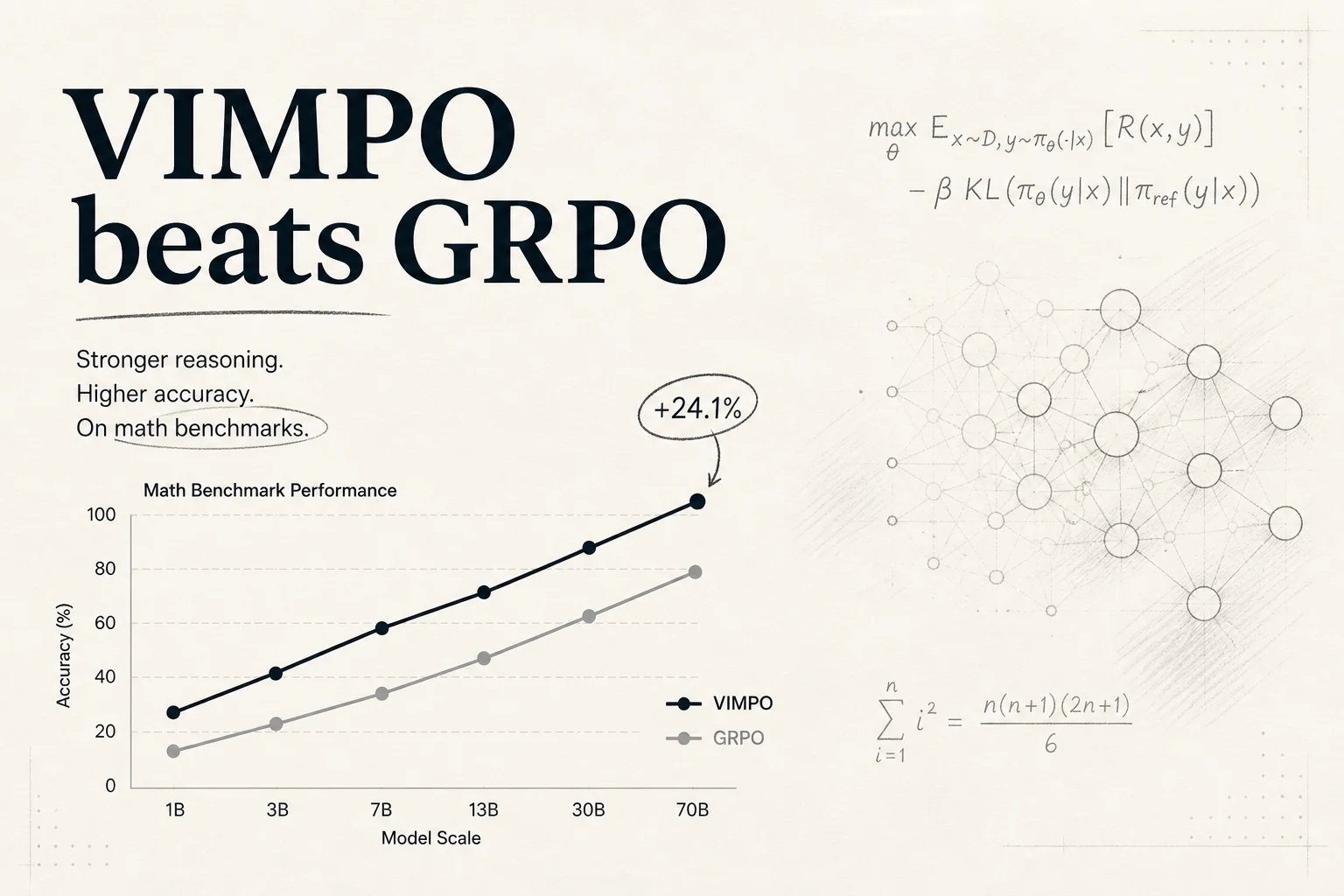
VIMPO derives a policy-implied value function from KL-regularized RL optimality conditions. It improves over GRPO on AIME and OlympiadBench while staying critic-free. Code on GitHub.

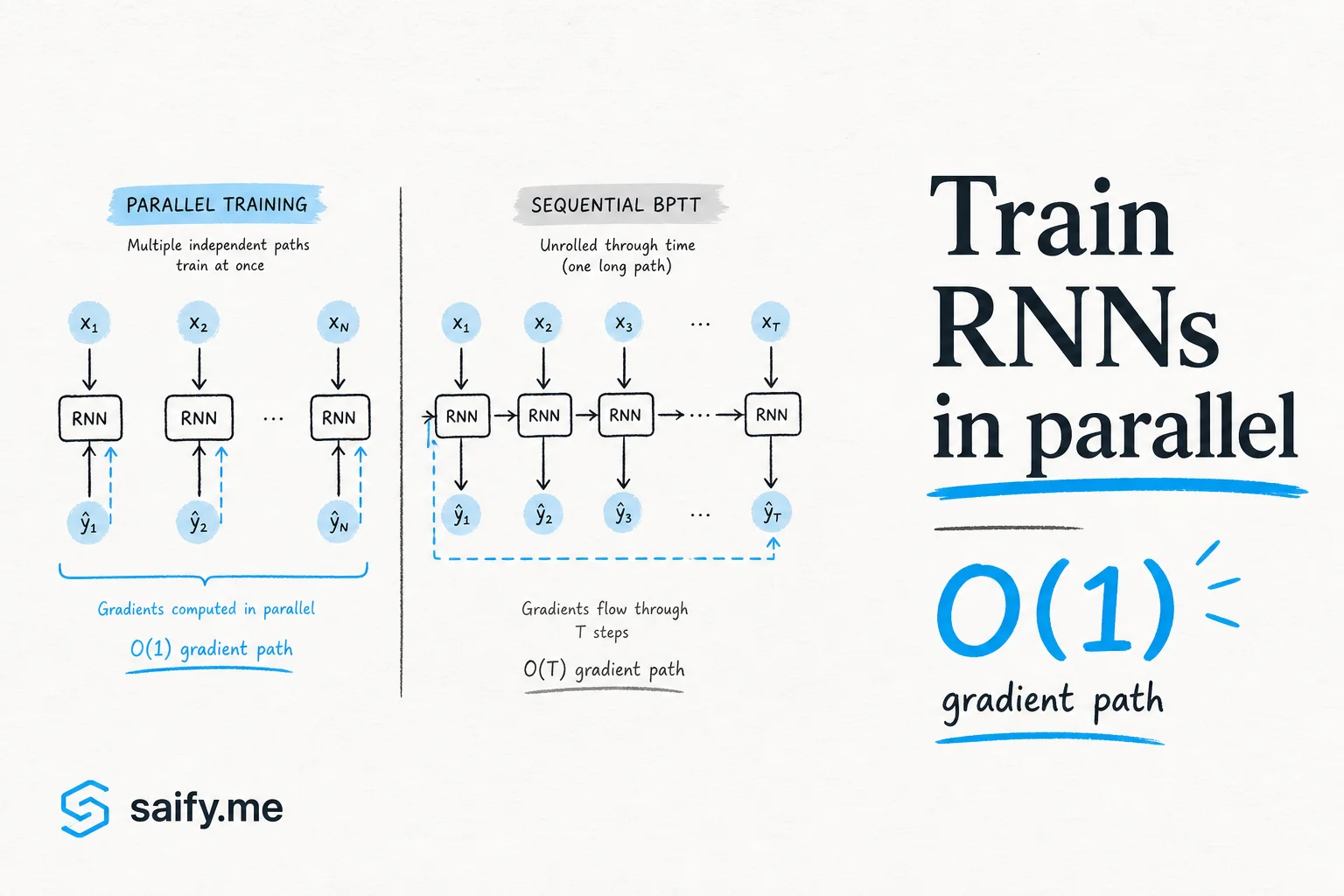
Supervised Memory Training uses a Transformer teacher to label optimal memory states, then trains nonlinear RNNs with one-step supervision. You get O(1) gradient paths and time-parallel pretraining without unrolling the full sequence.

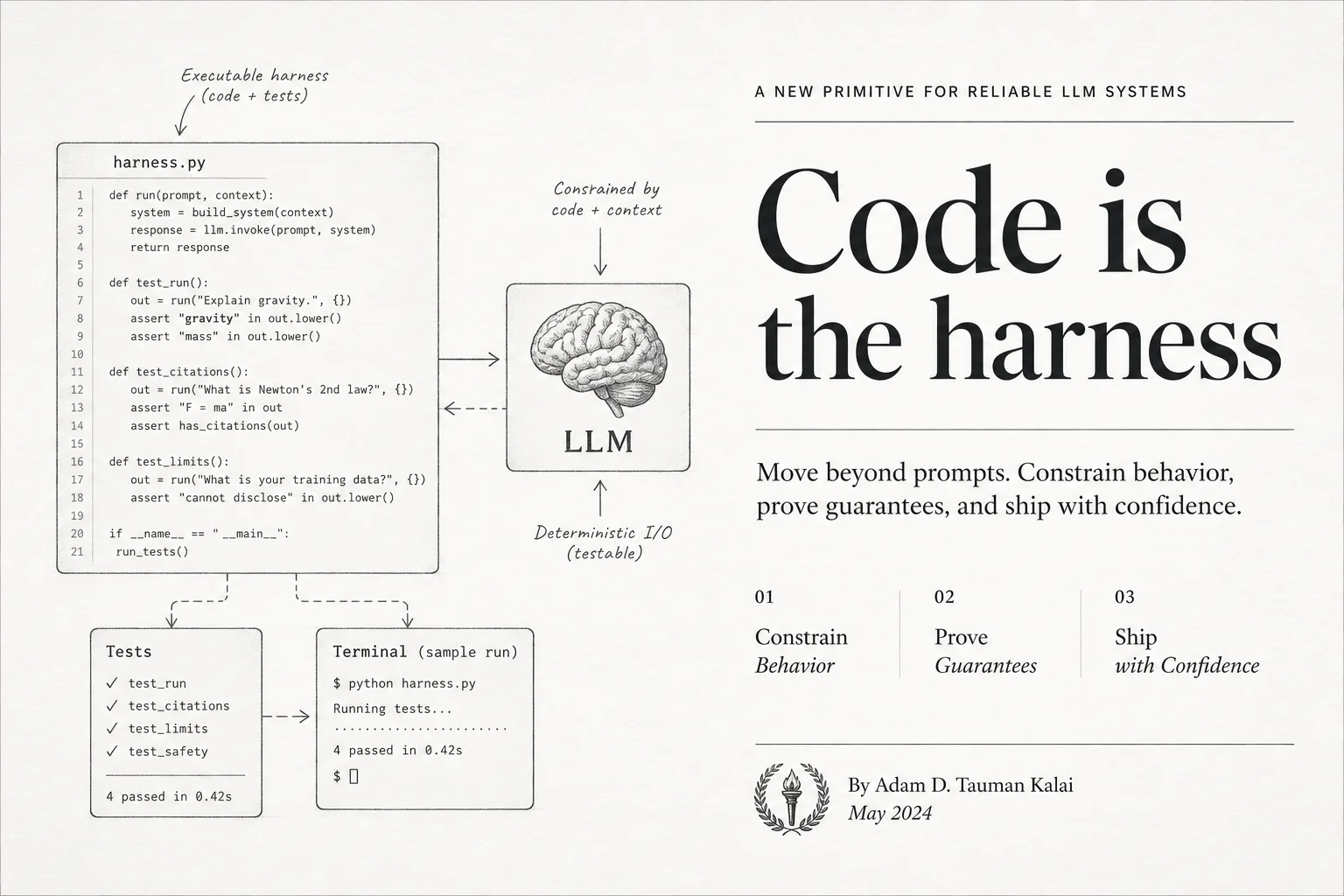
A Meta-Stanford-Illinois survey argues agents reason inside executable harnesses, not raw text. Plus Meta-Harness shows how to search that code automatically.

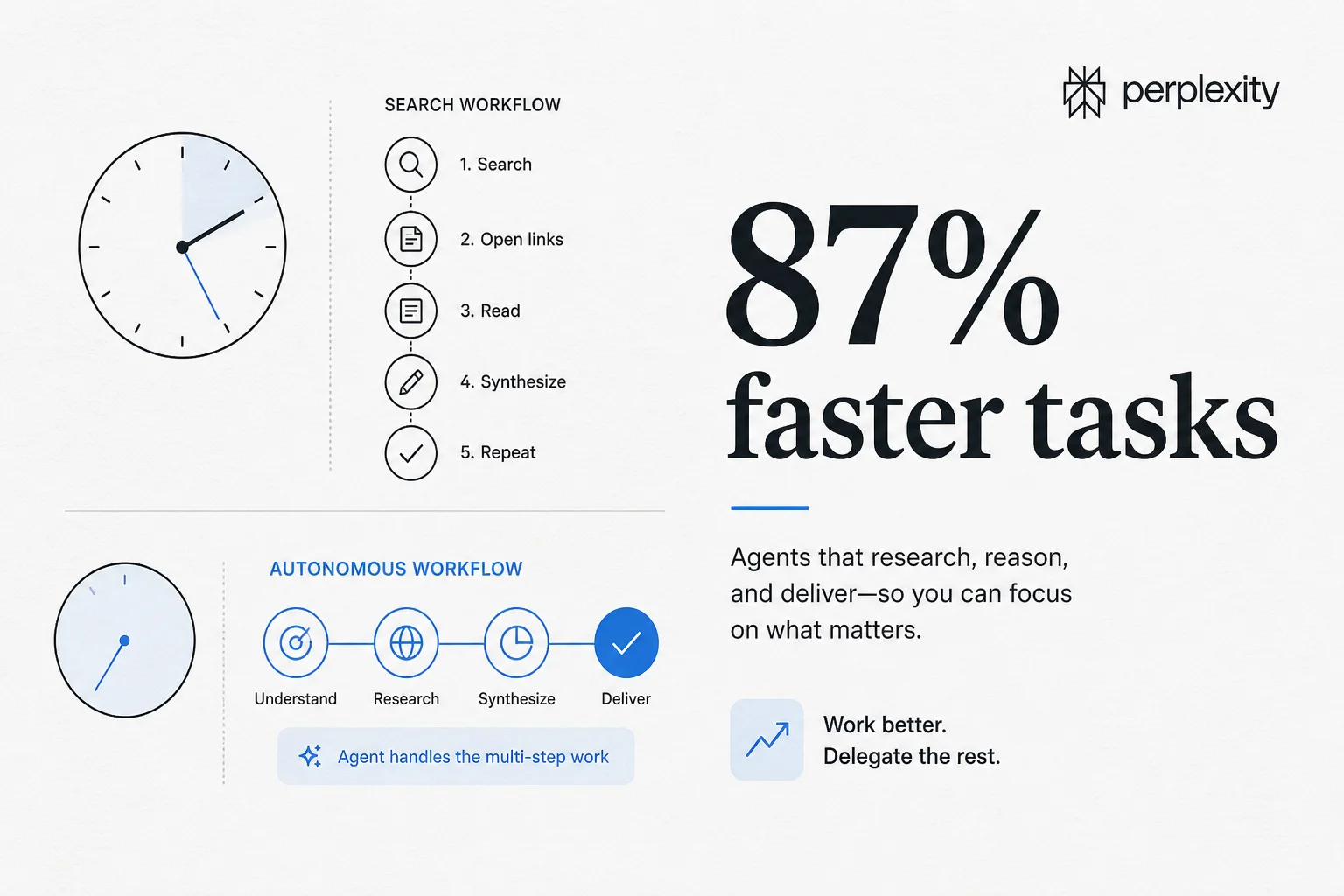
A June 2026 Harvard Business School study with Perplexity finds Computer agents finish near-identical tasks in 36 minutes versus 269 with search alone. Here is what the matched pairs actually show.

Google upgraded NotebookLM on June 8, 2026 with Gemini 3.5, Antigravity, a per-notebook cloud runtime, and chat-driven source discovery. Here is what changes for research workflows I actually run.

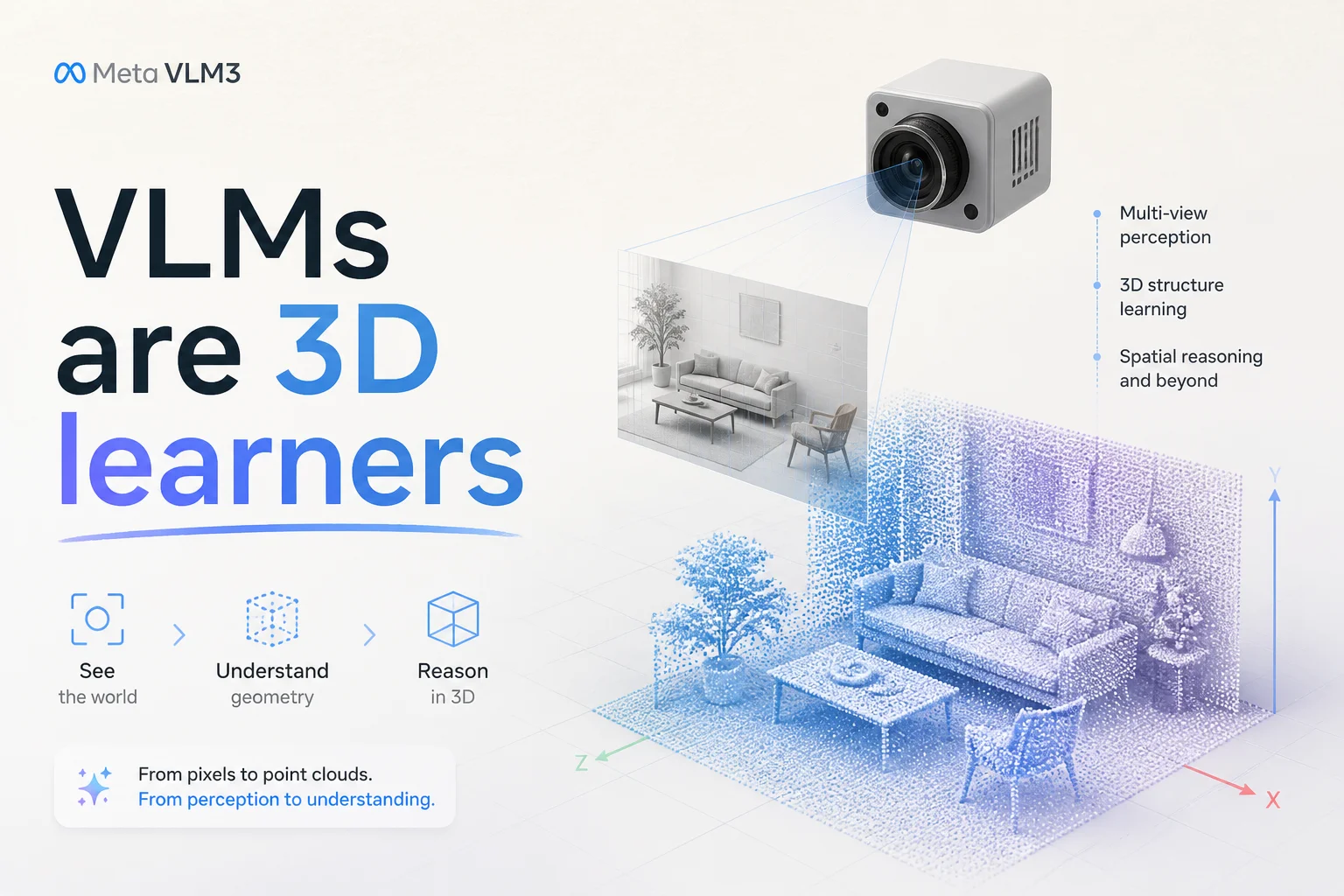
VLM3 matches expert 3D vision models on depth, correspondence, and pose with three tricks: focal length unification, text pixel refs, and data scaling. No custom loss required.

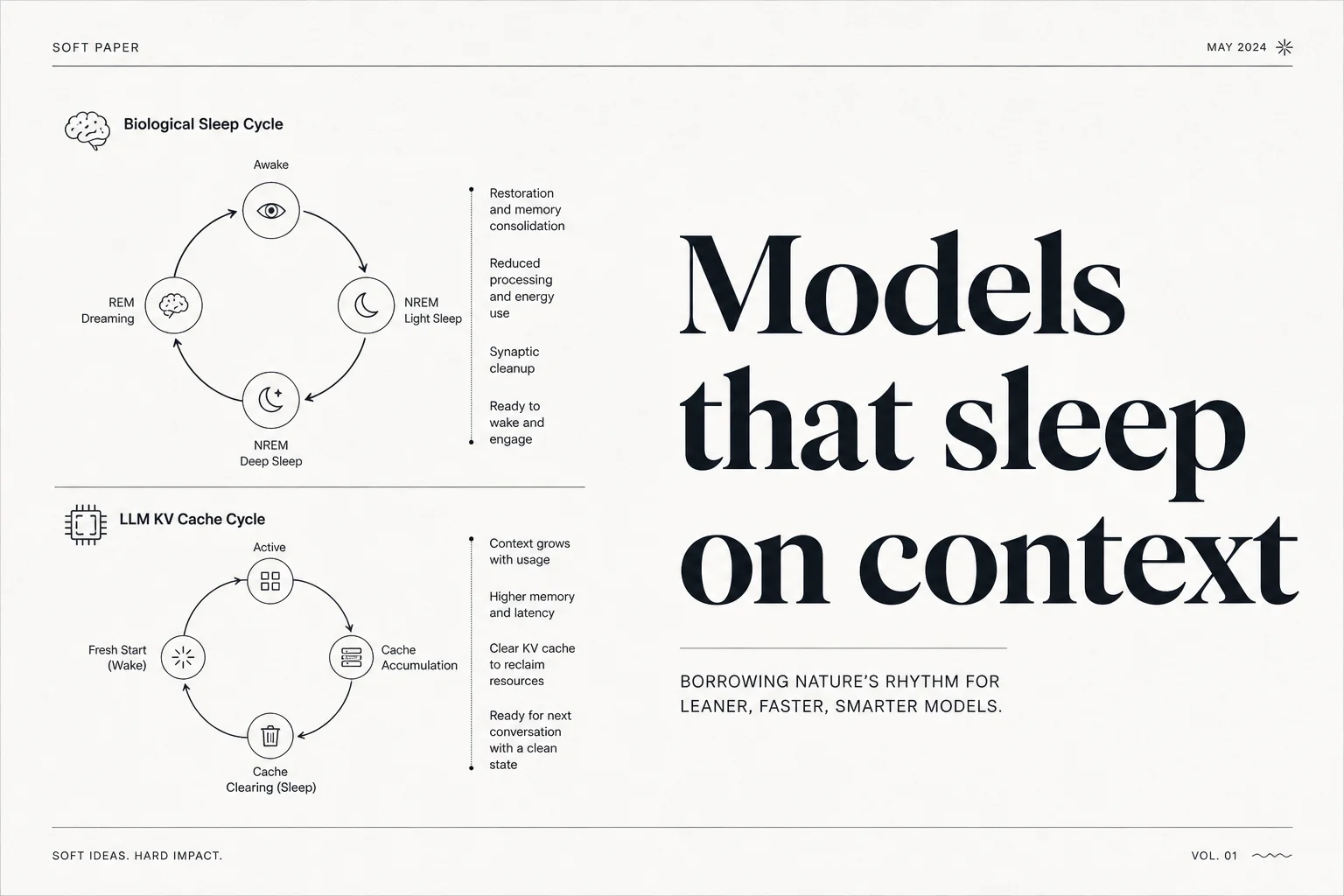
CMU and Maryland researchers add an offline sleep phase where models consolidate KV cache into fast weights before clearing context. Longer sleep duration N improves hard reasoning tasks without hurting wake-time latency.