Blog 388 posts
Notes from the trenches on AI engineering, LLM apps, and the full-stack work that holds it all together.
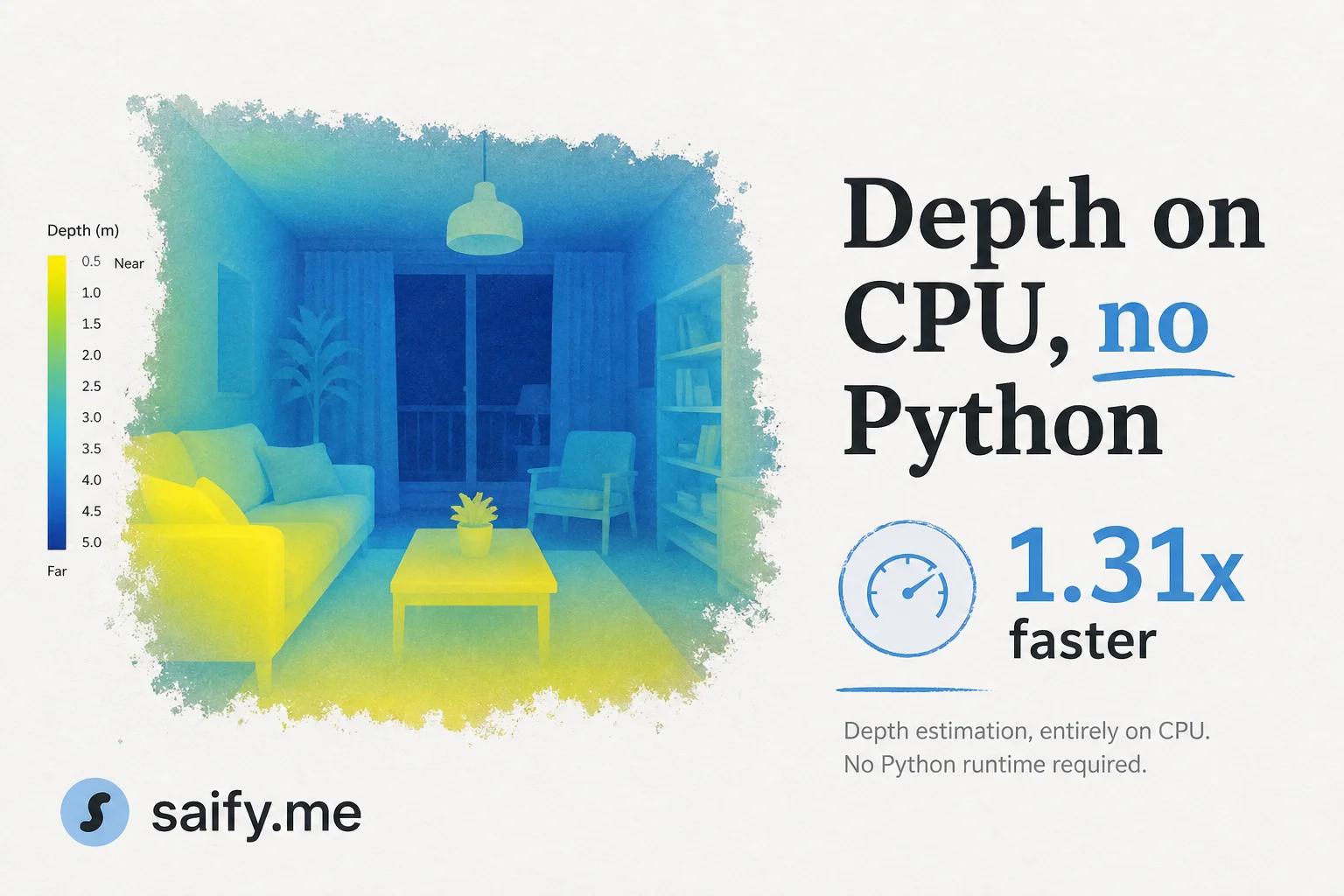
depth-anything.cpp ports ByteDance Depth Anything 3 to ggml with no Python at inference. On CPU it runs 1.31x faster than PyTorch at q8_0, uses half the RAM, and loads 6.7x faster. LocalAI v4.5 exposes it via POST /v1/depth.
Midjourney Medical unveiled a full-body ultrasound scanner with 500,000 transducers and a 2027 SF spa launch. The twist: no generative AI in the imaging pipeline, and no FDA clearance yet.
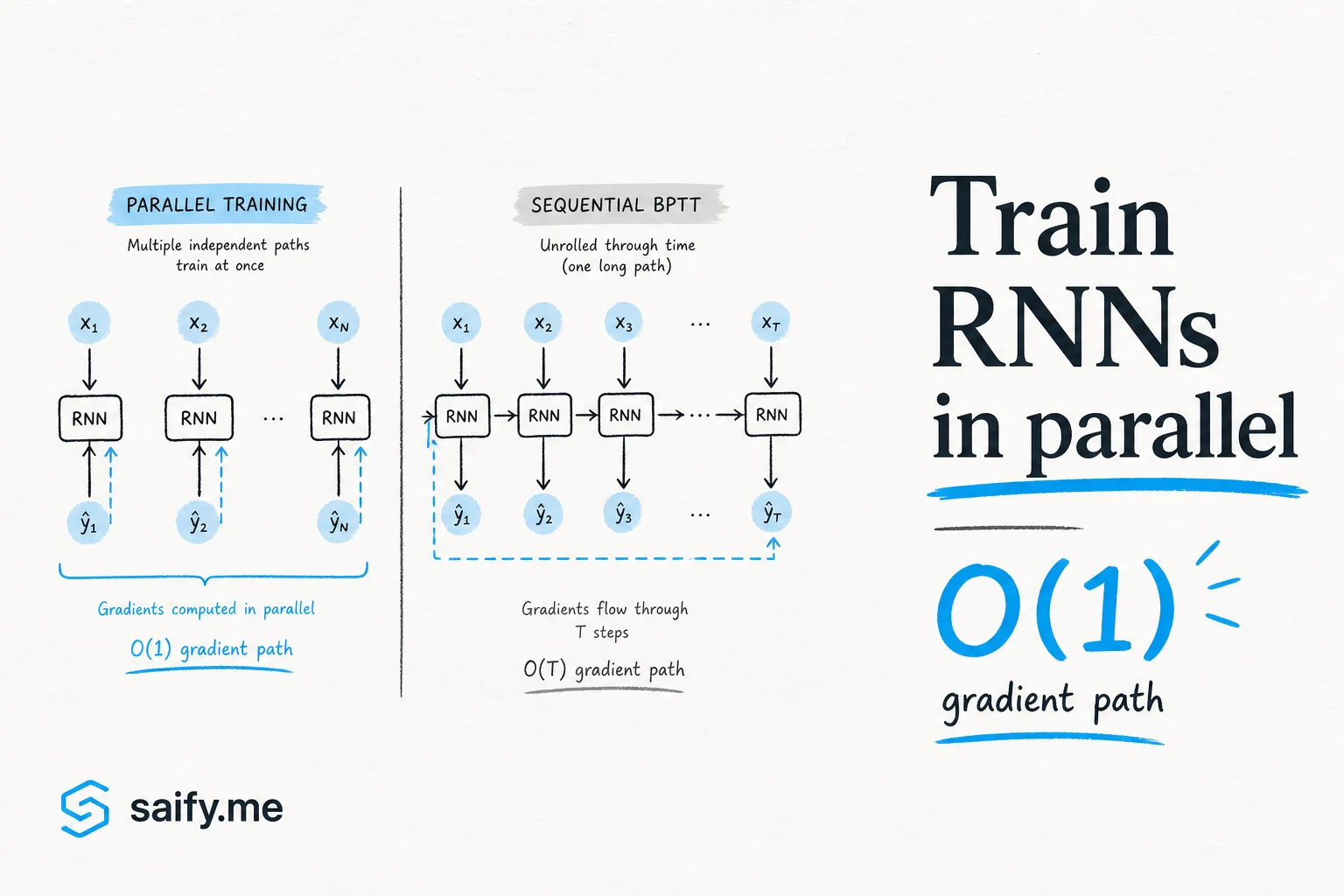
Supervised Memory Training uses a Transformer teacher to label optimal memory states, then trains nonlinear RNNs with one-step supervision. You get O(1) gradient paths and time-parallel pretraining without unrolling the full sequence.
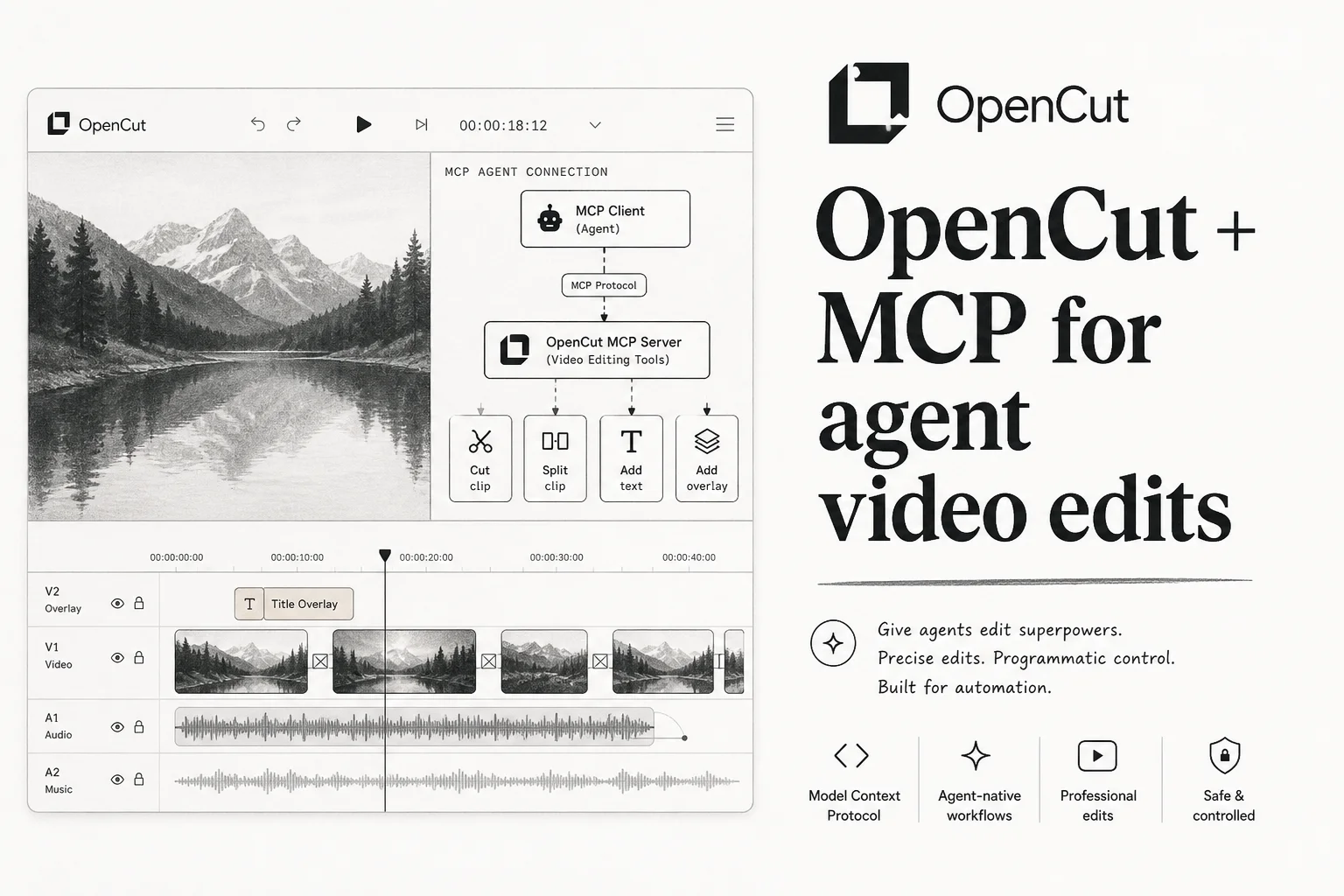
OpenCut crossed 55K GitHub stars as a free, local-first video editor. The rewrite adds a Rust core, plugin system, and MCP server so AI agents can drive the same timeline humans use.
xAI shipped Grok Imagine Video 1.5 with sharper motion, better physics, and native audio in one pass. A 6-second 720p clip now renders in about 25 seconds, down from 40+ on the previous model.
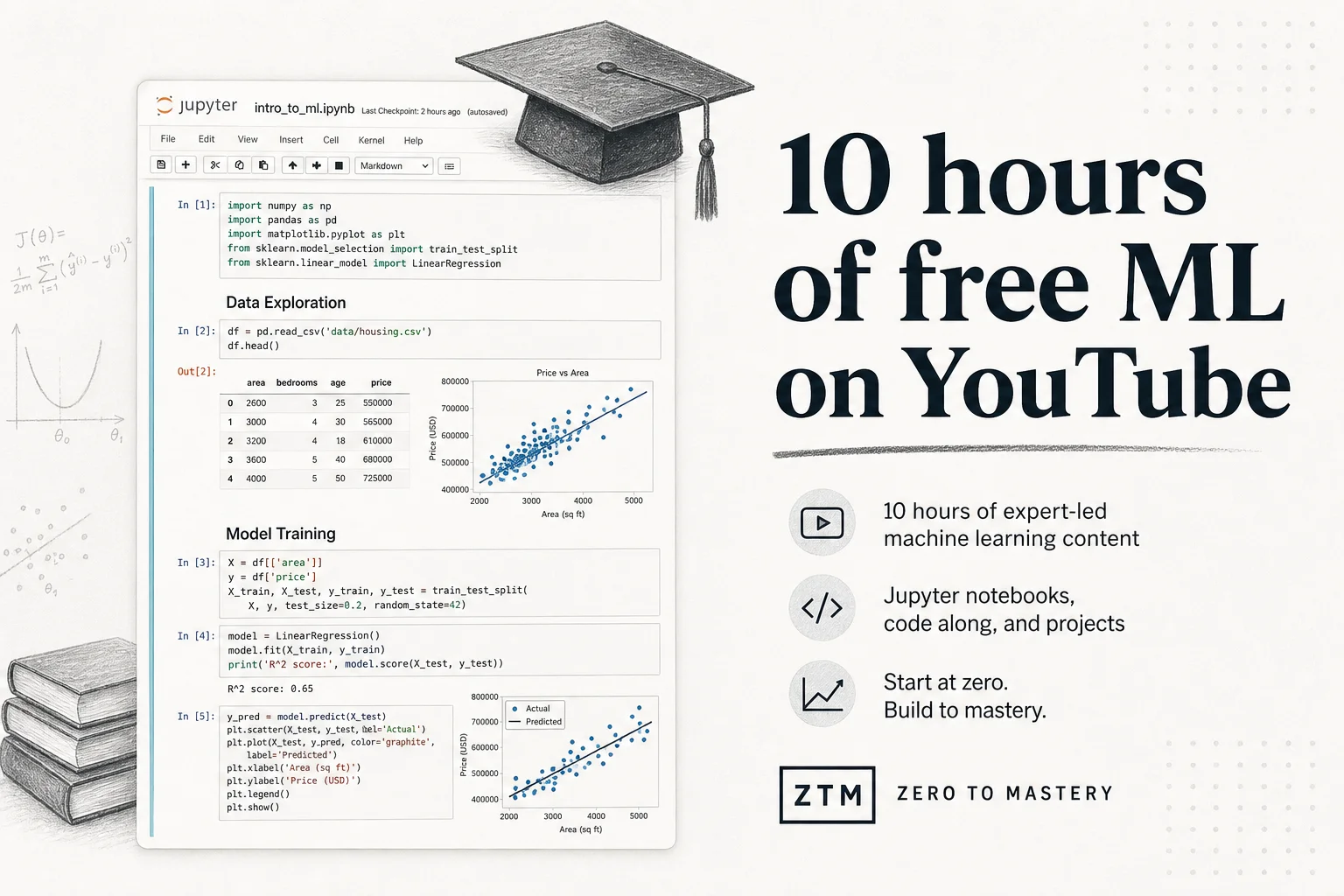
Daniel Bourke's Zero to Mastery ML course released free YouTube hours and open-source Jupyter notebooks. Here is how to use the materials without buying another hype stack.
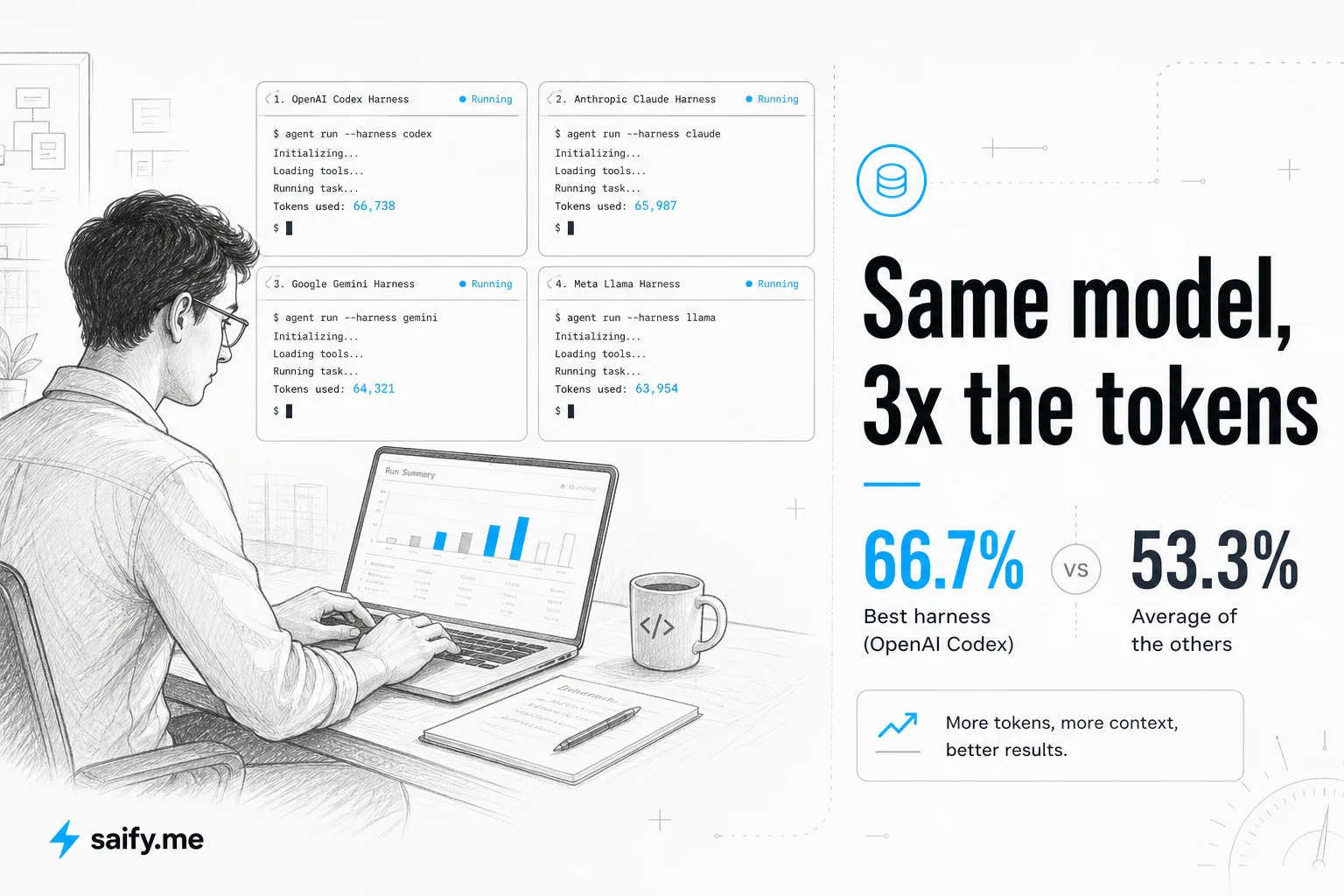
Tensorlake ran 30 hard agentic tasks with DeepSeek V4 Flash wired through four harnesses. Pi won on pass rate and cost per success. Claude Code was fastest but burned 741k tokens per task.
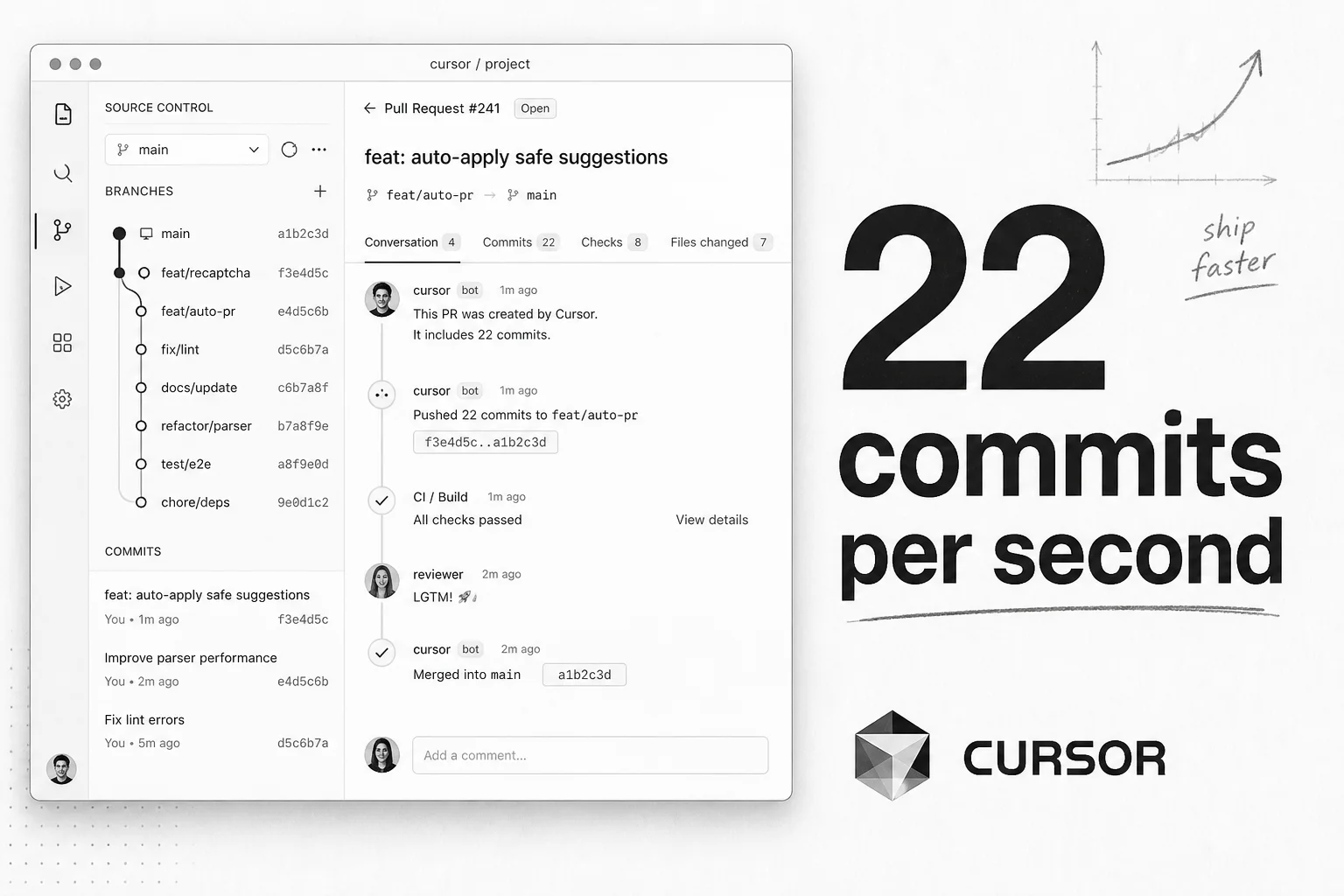
At Compile, Cursor unveiled Origin: git hosting where agents are first-class users. The demo showed 22.6 commits per second in one repo. Here's what that means before you move your system of record.