5 min read
GLM-5.2 ships 1M usable context for long…
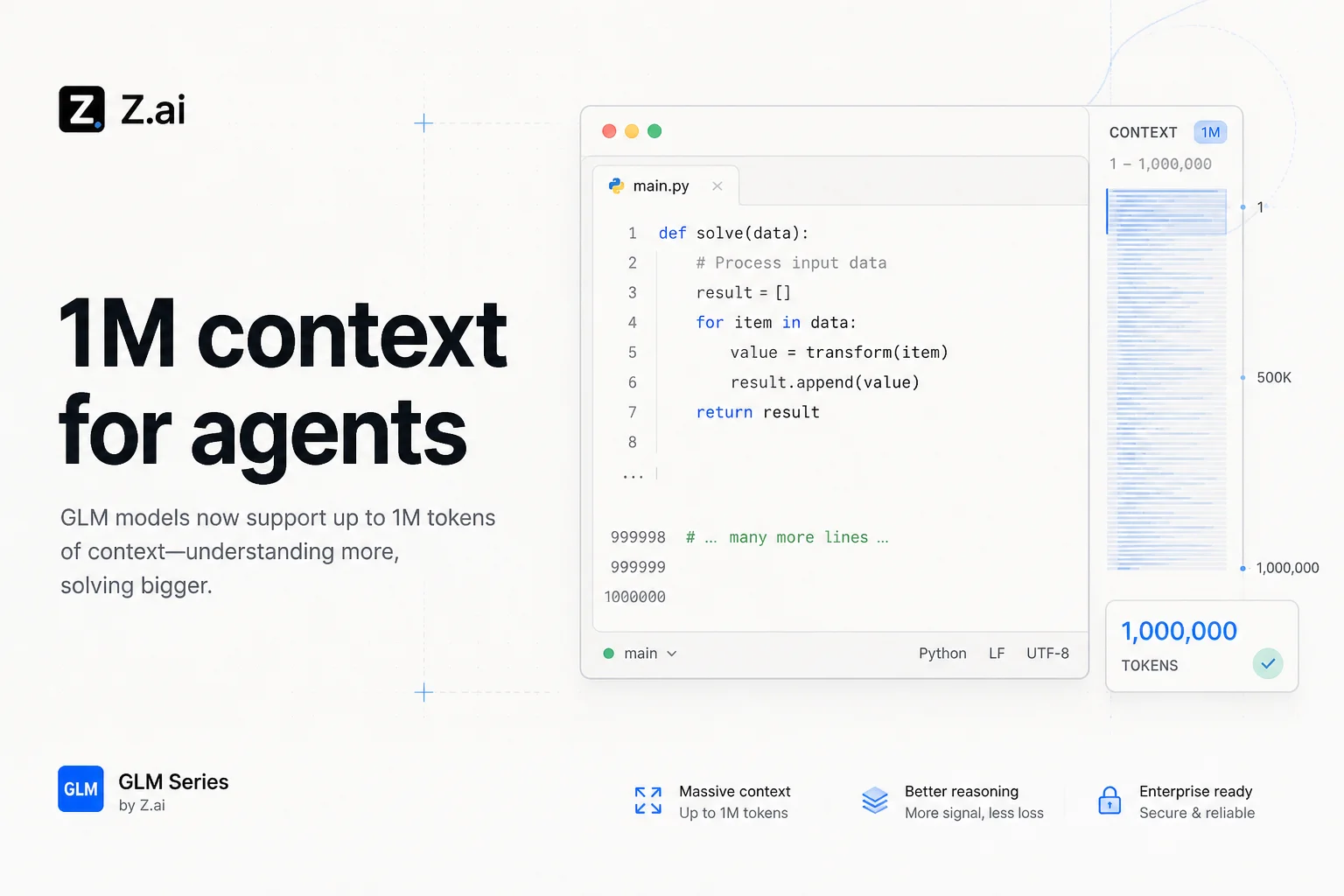
Z.ai's GLM-5.2 open-weight flagship targets million-token coding trajectories with MIT weights, High and Max reasoning modes, and Terminal-Bench scores that jump from 62.0 to 81.0 versus GLM-5.1.
Notes from the trenches on AI engineering, LLM apps, and the full-stack work that holds it all together.
Z.ai's GLM-5.2 open-weight flagship targets million-token coding trajectories with MIT weights, High and Max reasoning modes, and Terminal-Bench scores that jump from 62.0 to 81.0 versus GLM-5.1.
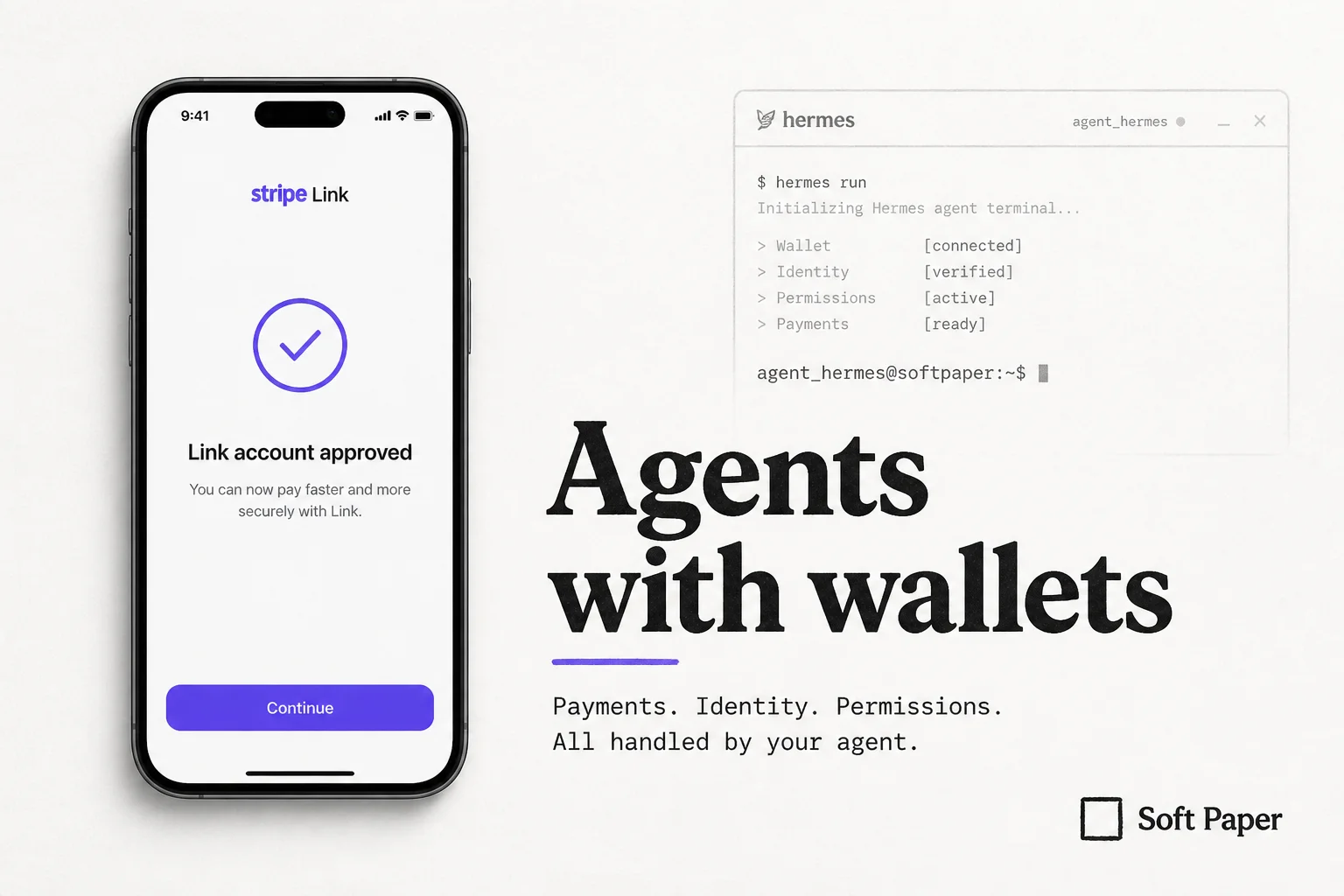
Nous Research shipped three optional Hermes skills wrapping Stripe Link, MPP, and Stripe Projects. Agents can buy on the web, pay per-request APIs, and provision SaaS with human approval gates.
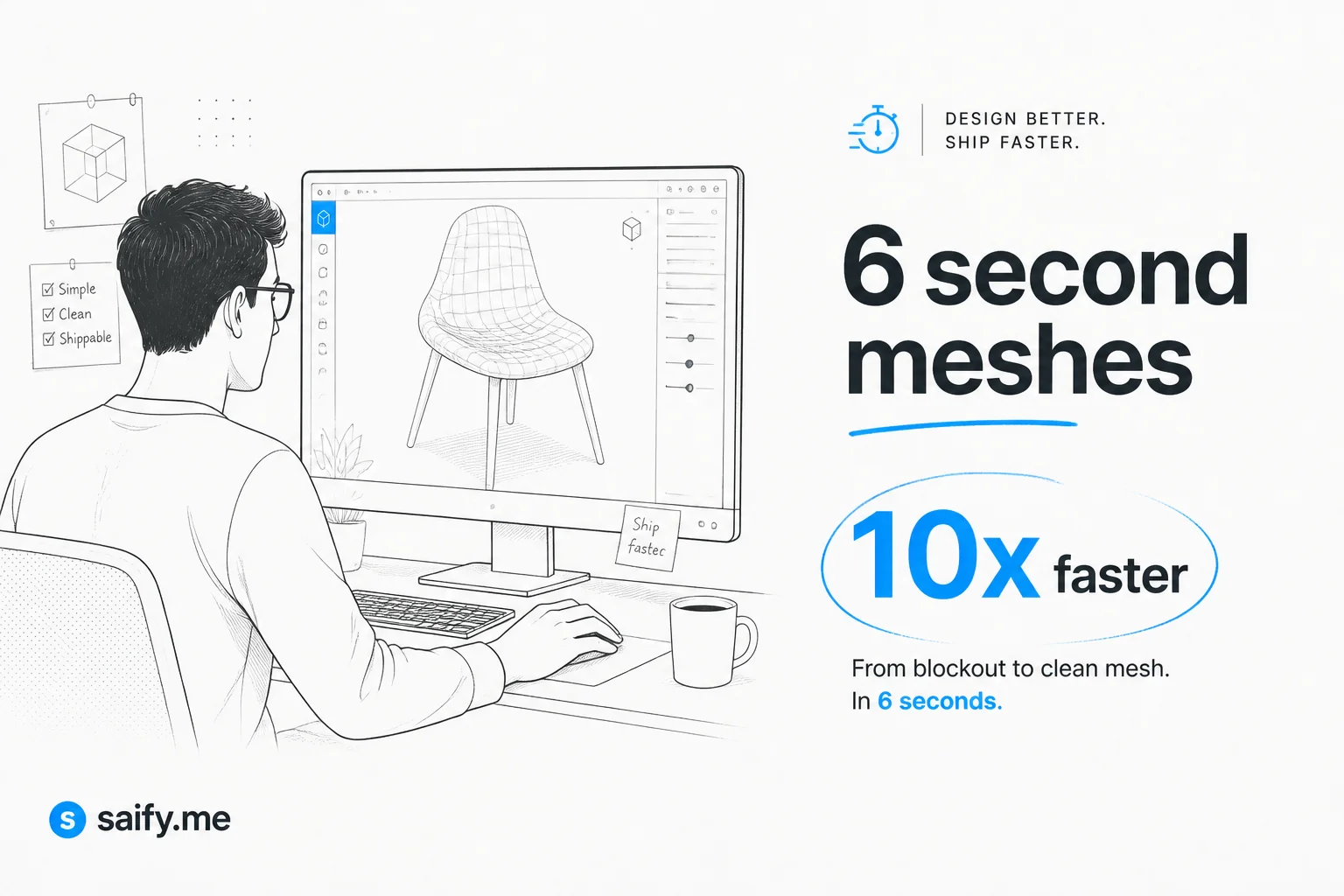
Meshy T2 uses flow matching to generate vertices and connectivity in parallel, not autoregressive mesh tokens. Median image-to-mesh latency is six seconds with controllable face budgets and native multi-part output.
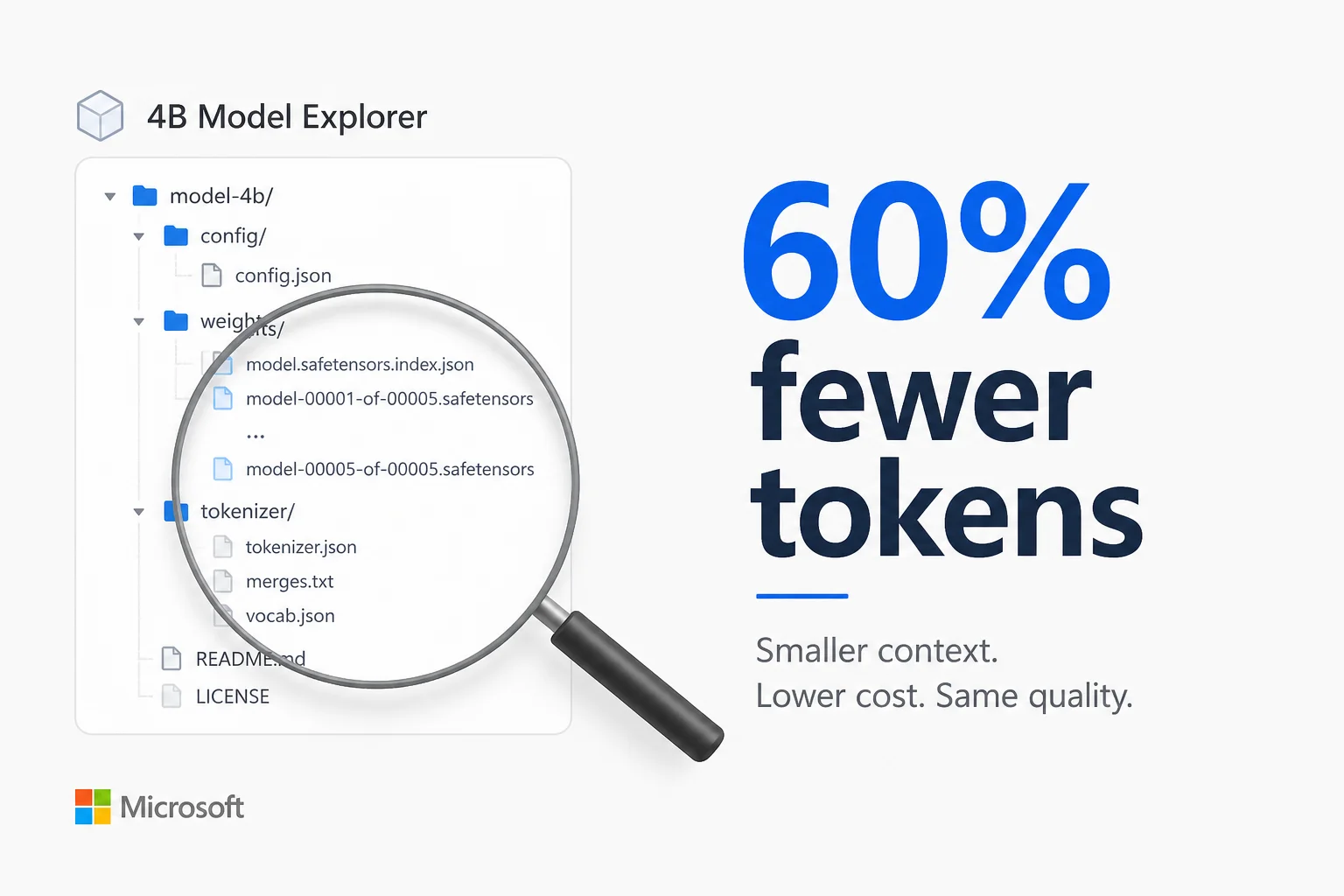
FastContext is a 4B–30B exploration subagent that returns file-line citations instead of dumping whole files into the main agent. Mini-SWE-Agent gains up to 5.5% success with up to 60% fewer main-agent tokens.
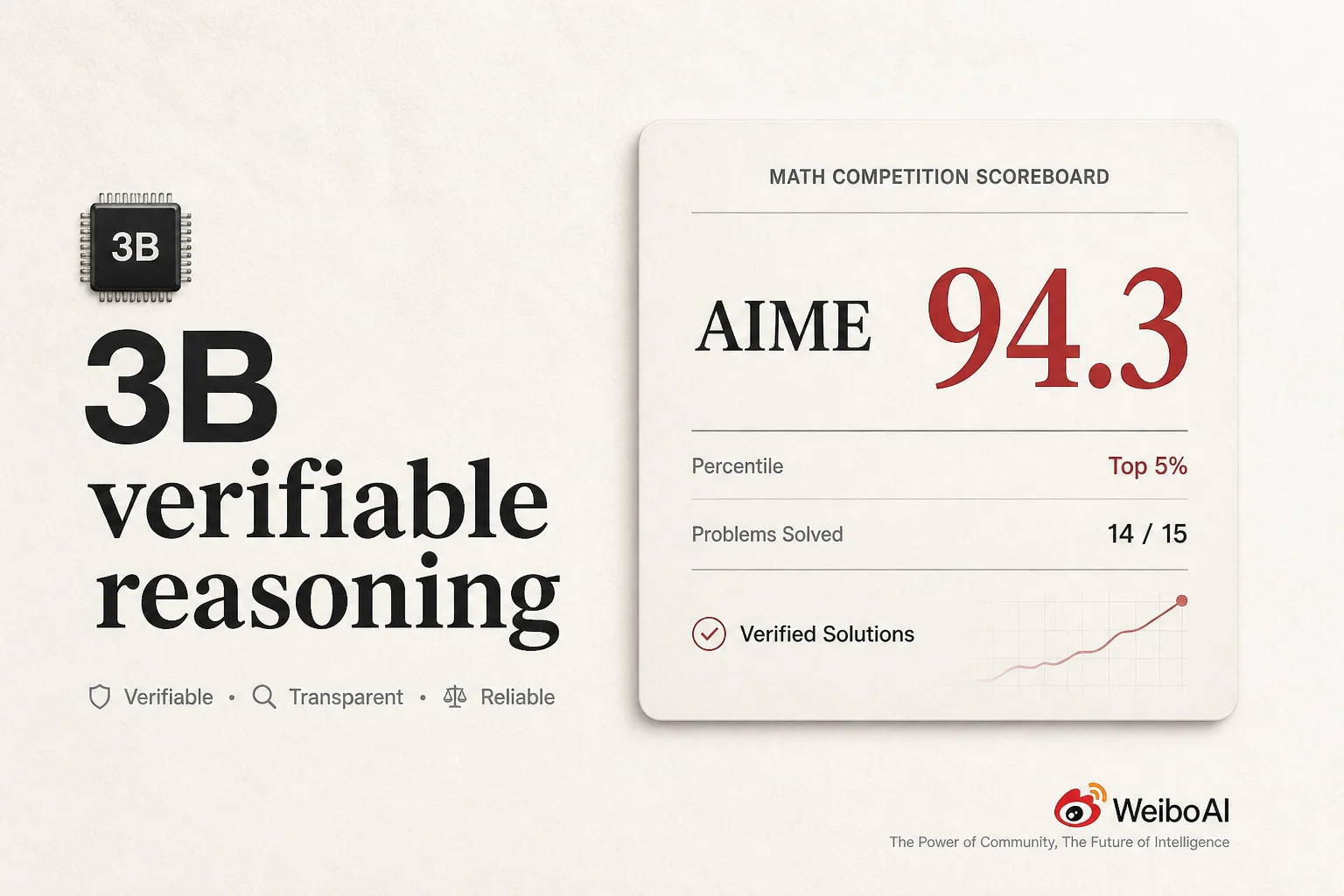
WeiboAI's MIT-licensed VibeThinker-3B scores 94.3 on AIME26 and 96.1% on post-cutoff LeetCode contests. It trails frontier models on knowledge-heavy GPQA by design, not by accident.
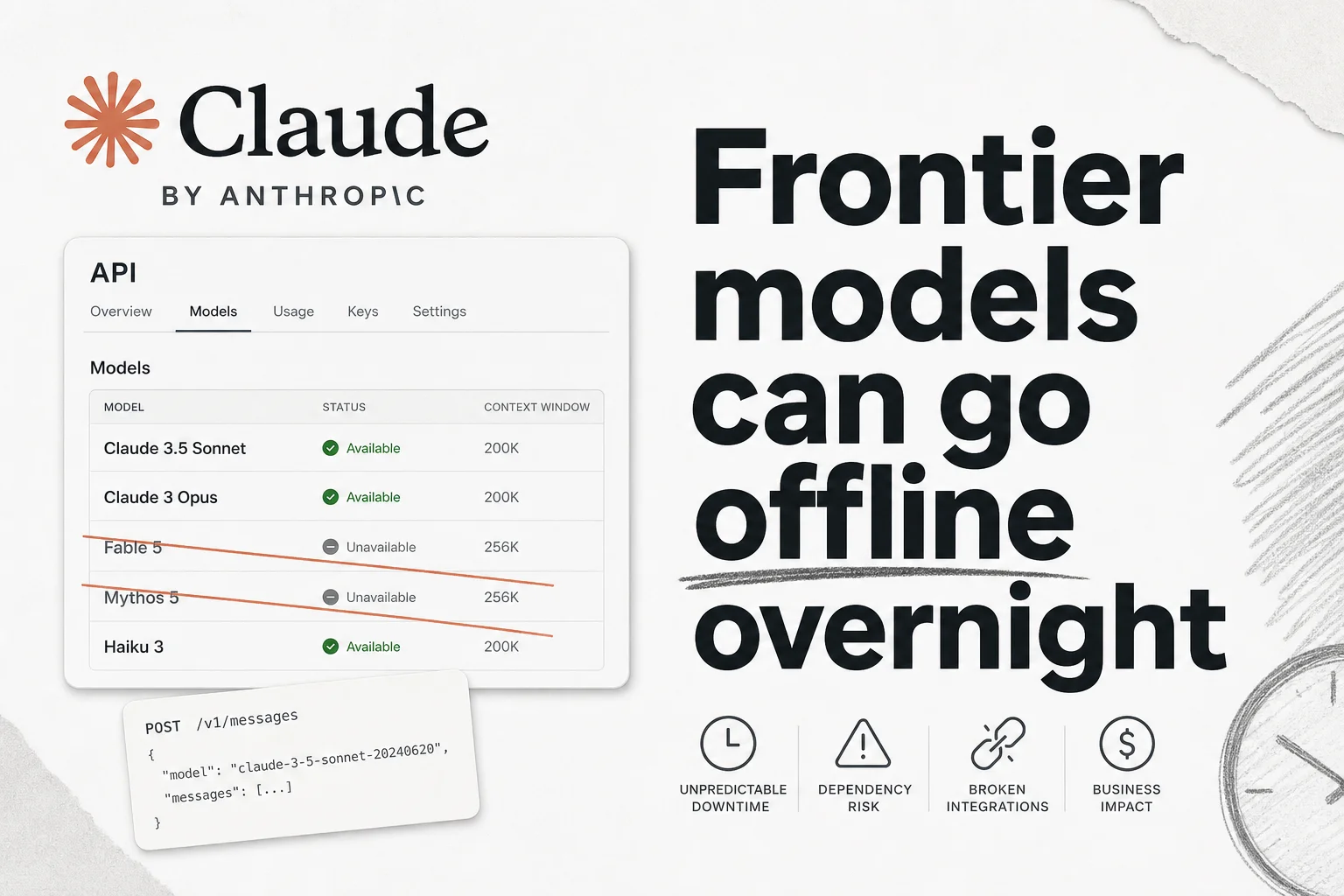
Anthropic disabled Claude Fable 5 and Mythos 5 globally on June 12 after a US export control order. Here is what broke, what stayed up, and how I diversify model providers before the next directive.
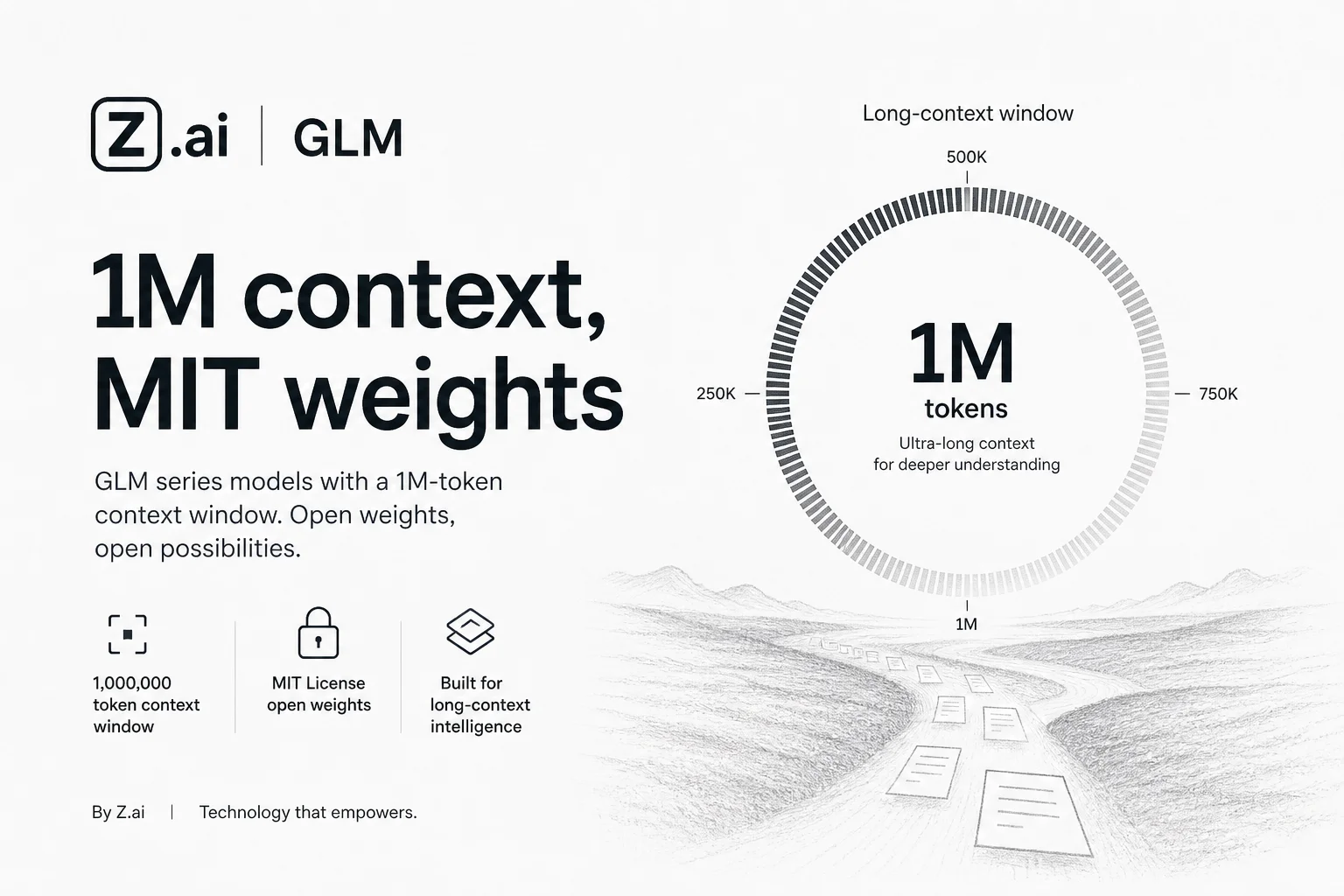
Z.ai's GLM-5.2 brings a 1M-token context window, IndexShare sparse attention, and MIT-licensed weights. One day after the Fable 5 export control shock, open long-horizon coding got a lot more interesting.
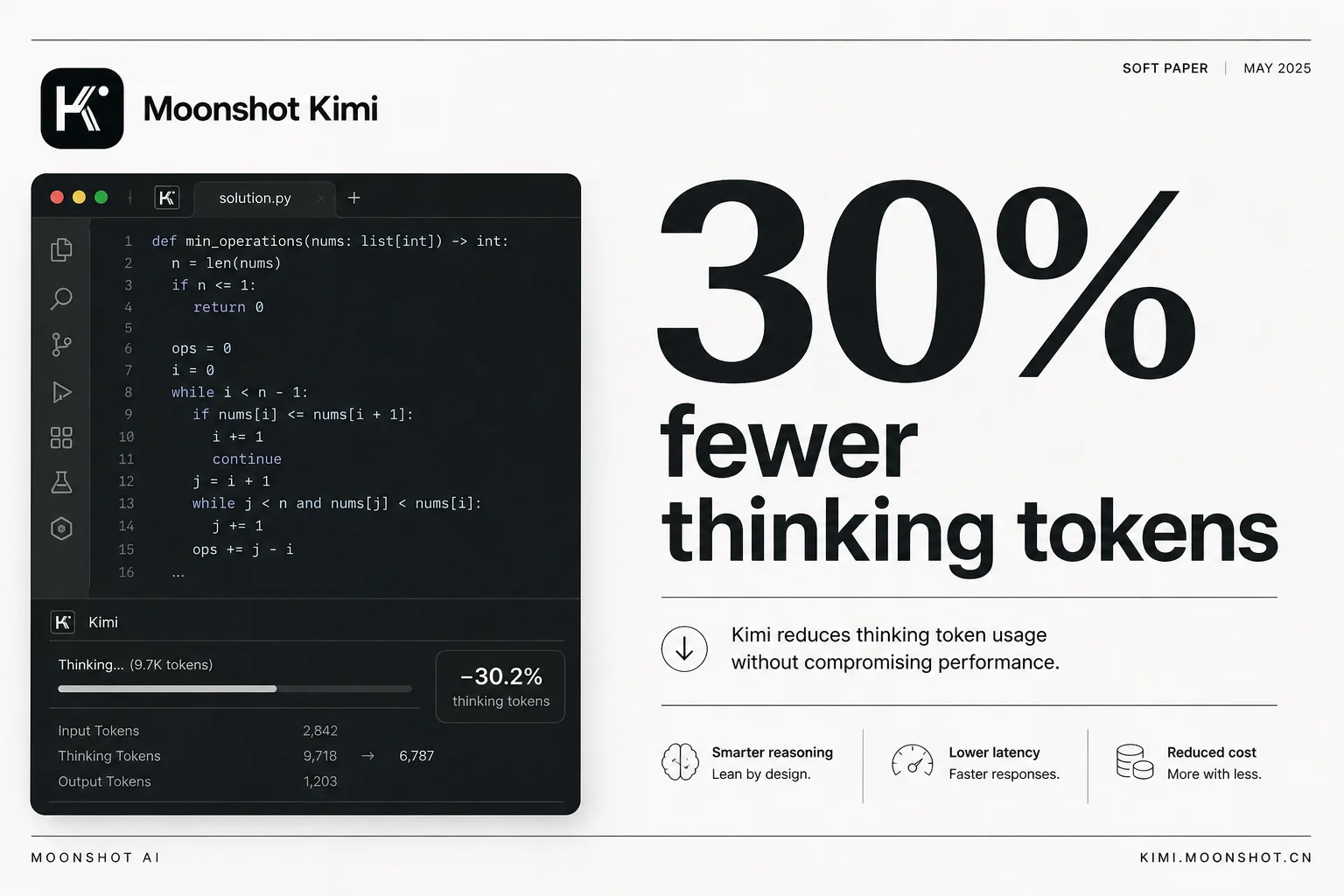
Moonshot's open-weight Kimi K2.7 Code keeps the 1T MoE backbone but cuts thinking tokens ~30% versus K2.6 while jumping +21.8% on Kimi Code Bench v2. Here is when I would route agents to it.