Blog 388 posts
Notes from the trenches on AI engineering, LLM apps, and the full-stack work that holds it all together.
A new arXiv study maps correlated name priors in Claude, GPT, and Gemini outputs. Fictional personas like Elena Vasquez and Marcus Chen appear across AI-generated sites and 1,655 backdated Zenodo records with real DOIs.
26 lessons, 52 quizzes, Scikit-learn projects, and Jupyter in VS Code. Microsoft's MIT-licensed curriculum is the on-ramp I still send before deep learning rabbit holes.
SkillSpector joins a crowded field of agent skill scanners with 70+ vulnerability patterns and optional LLM analysis. New research shows packed and obfuscated skills still bypass most static tools. Scan first, sandbox second.
Codex rate limits used to reset on OpenAI's clock, often at 3am. Banked resets let Go, Plus, Pro, and Business users save and trigger them manually, with a 30-day expiry and referral bonuses through June 24.
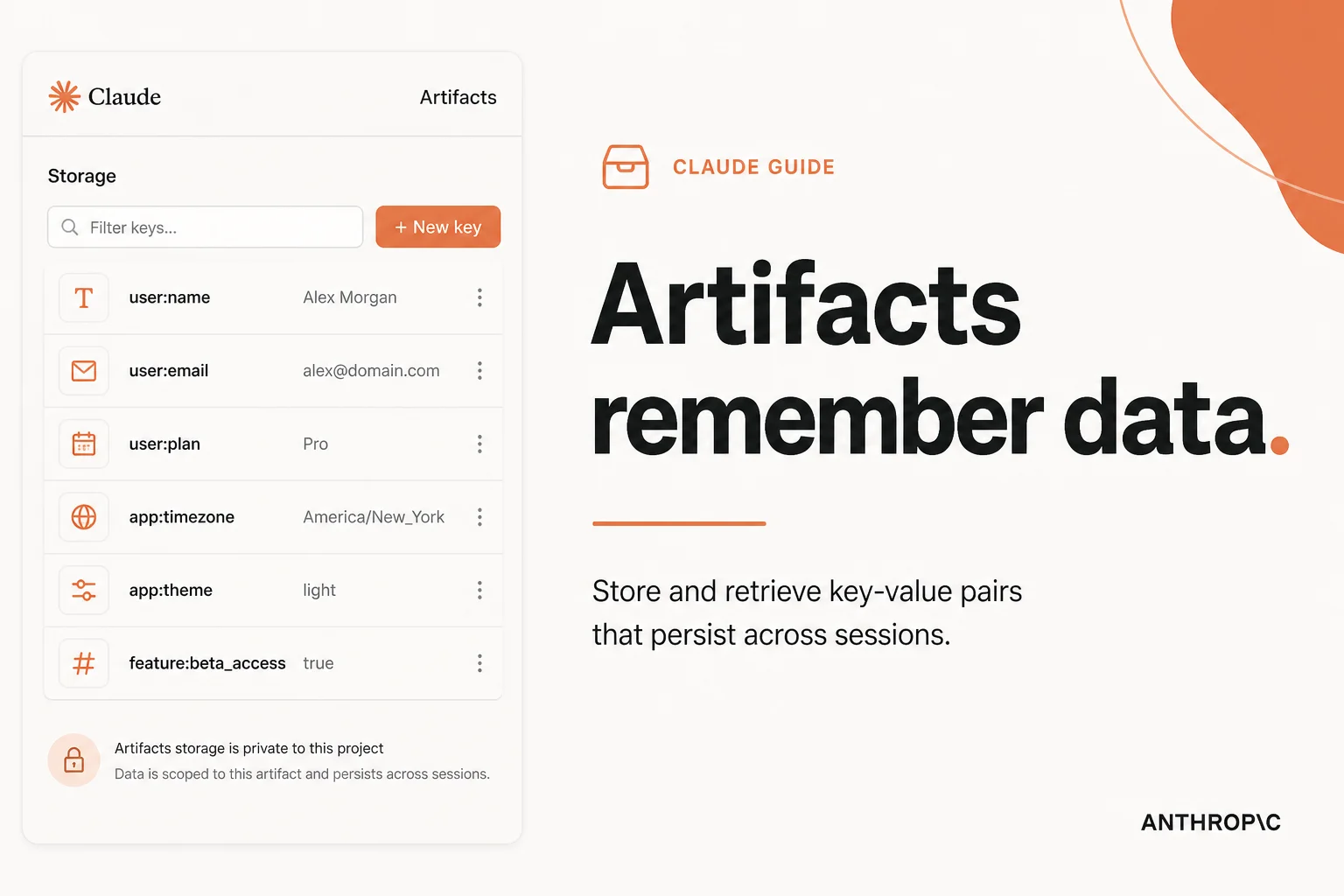
Anthropic's Claude Fable 5 system prompt leak reveals window.storage, a key-value API for artifacts that remember data between chats. Here is what builders can actually do with it.
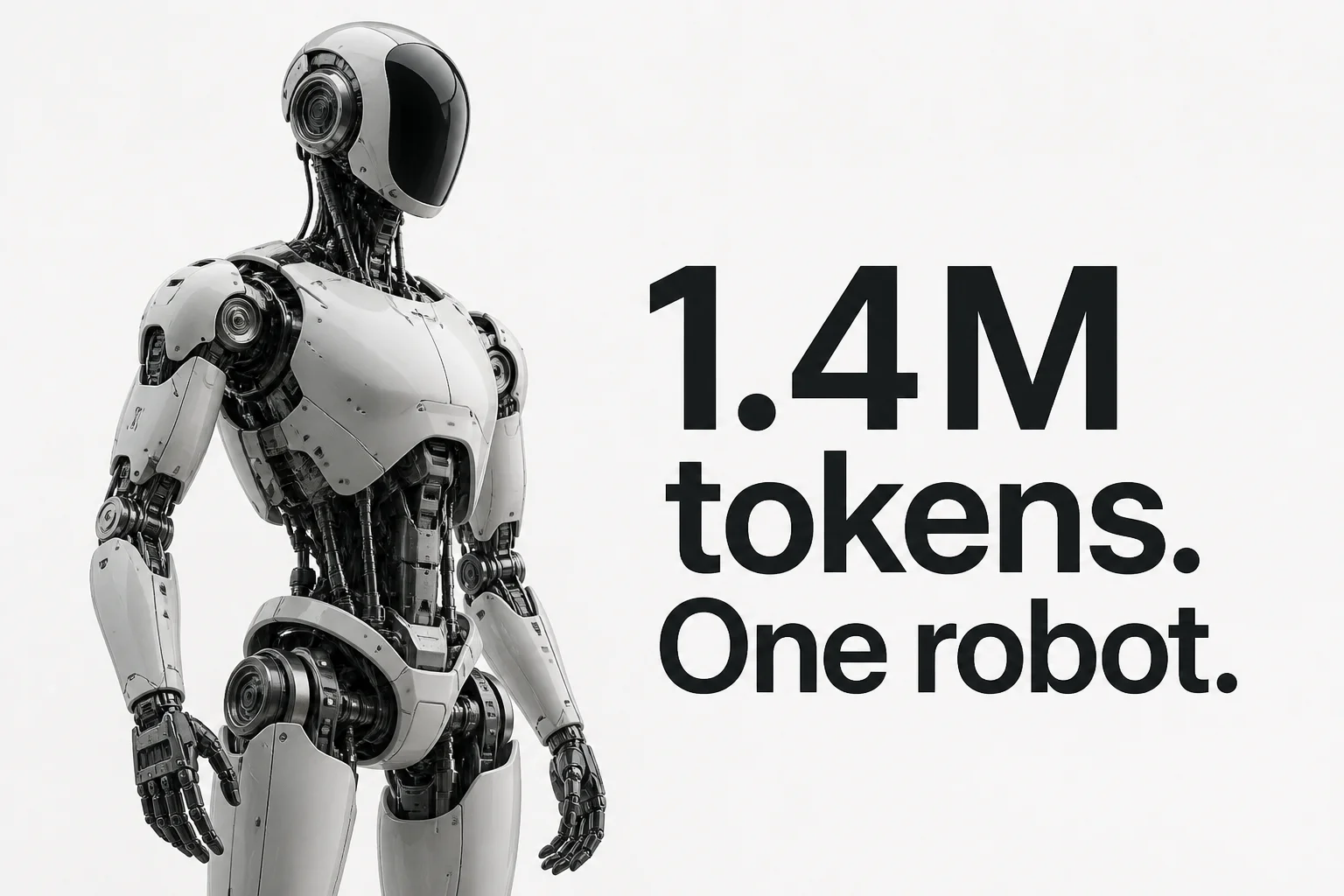
Jake Fitzgerald's viral demo used two hours and 1.4 million tokens to generate CAD-ready humanoid robot designs, kinematics, and animations. I broke down what is real versus render hype.
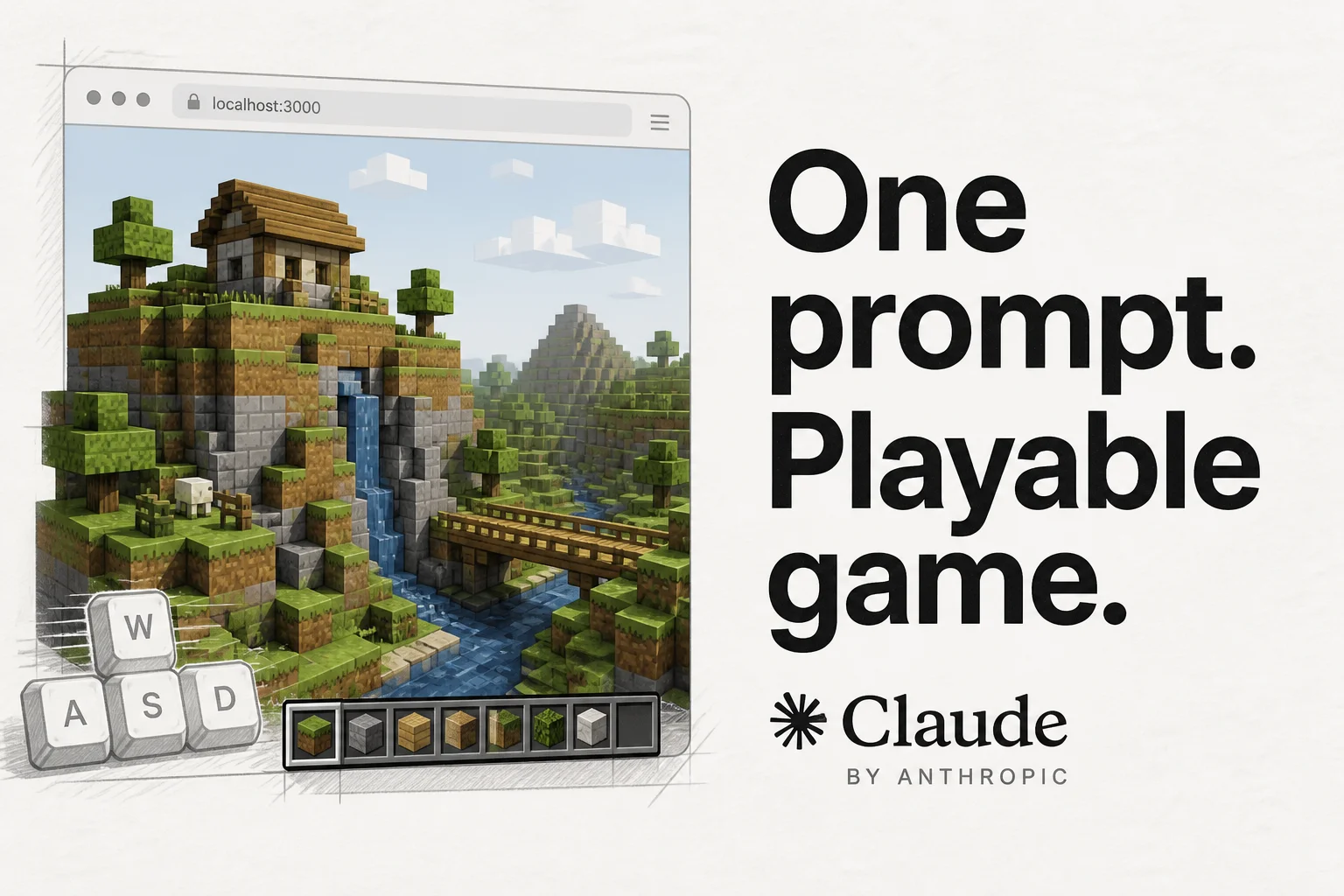
Developers are shipping browser Minecraft clones with Claude Fable 5 in 20 to 40 minutes for roughly $12 to $30. The interesting part is not the game. It is the systems design the model held in one context.
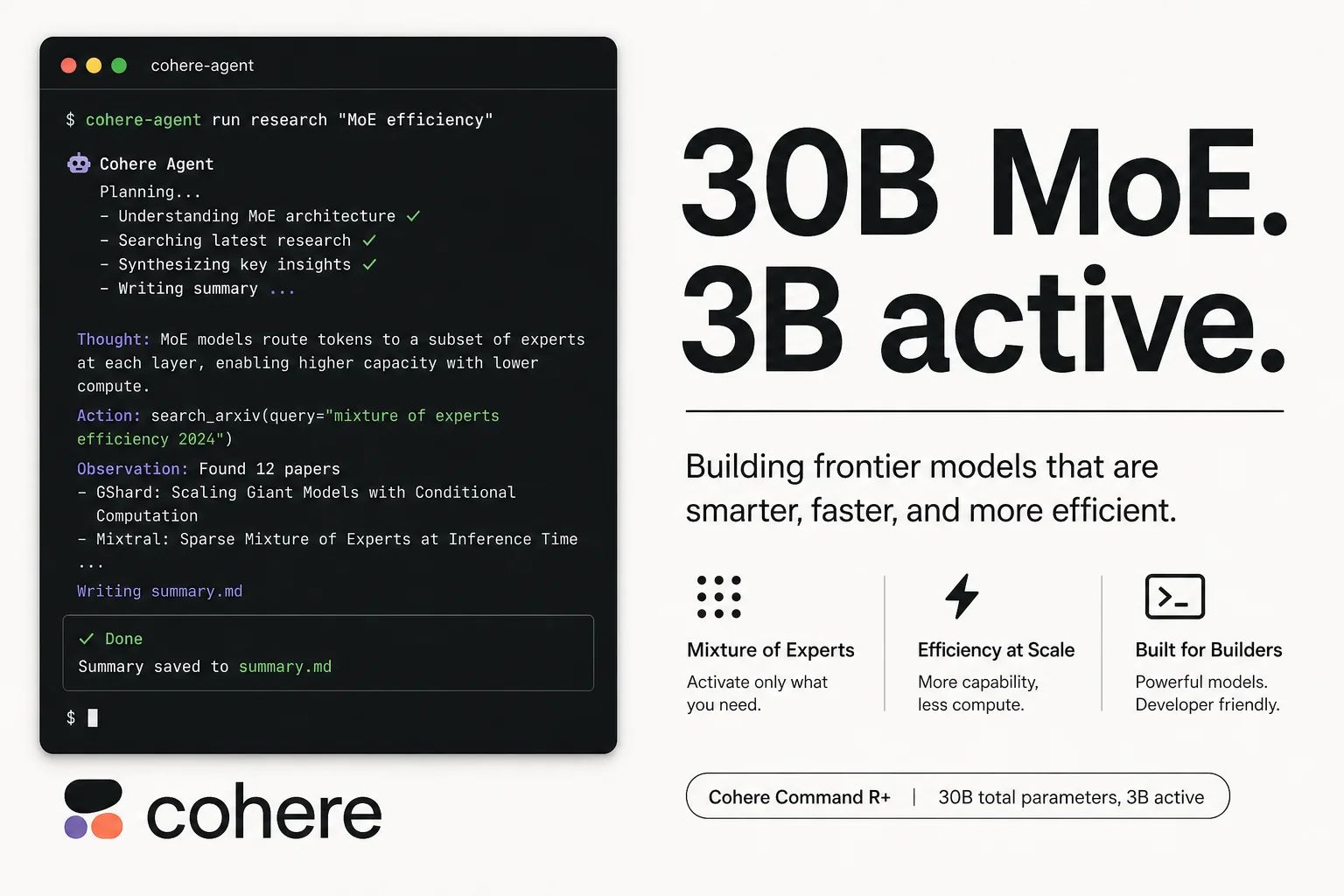
Cohere's first open-weight coding model activates 3B of 30B parameters per token, ships under Apache 2.0, and targets terminal agents. Here is when I would run it locally instead of a frontier API.