Blog 388 posts
Notes from the trenches on AI engineering, LLM apps, and the full-stack work that holds it all together.
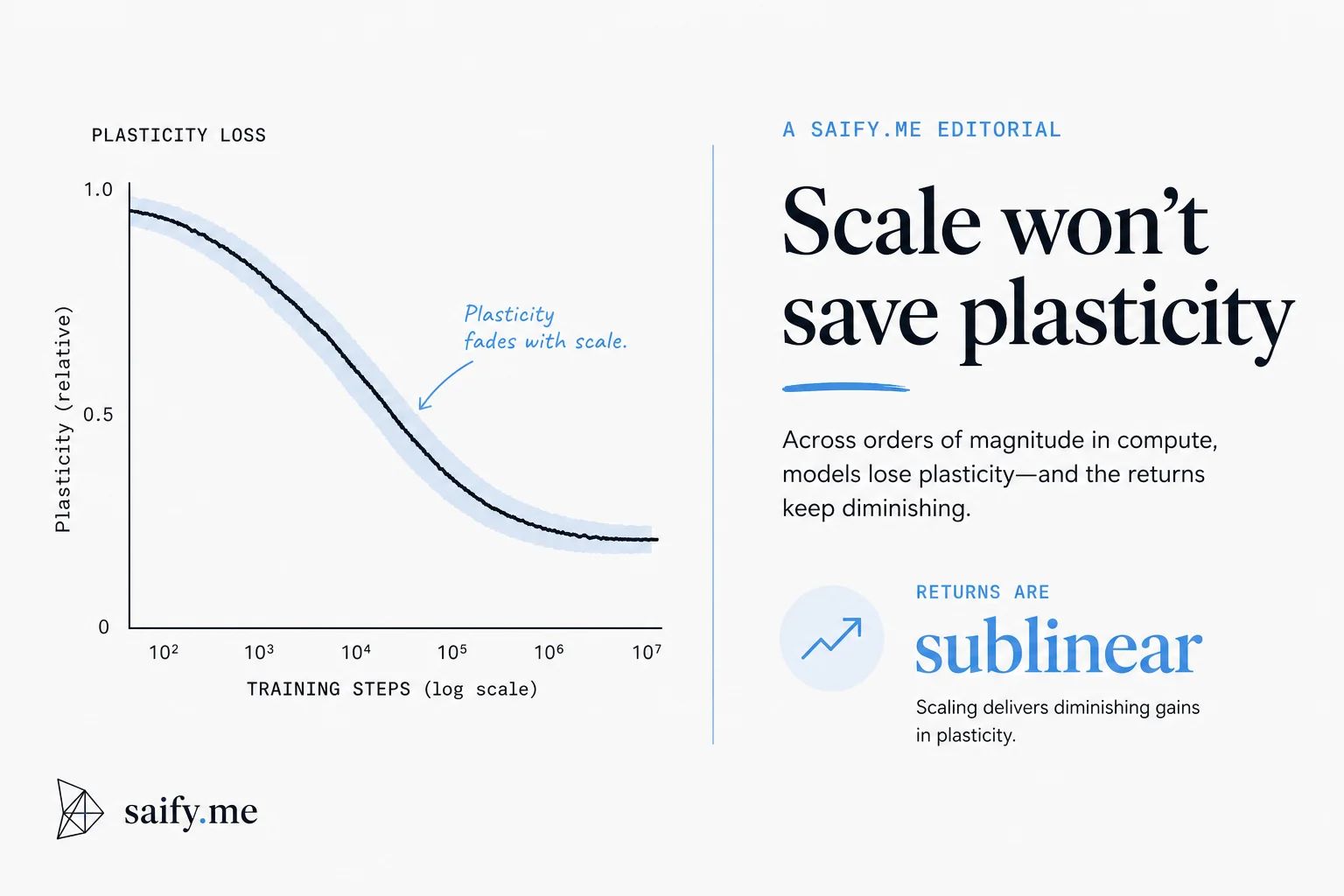
Zyphra Research found GPT-style transformers from 5M to 314M params lose plasticity during continual and even stationary training. Bigger models delay the cliff but scaling law gains are sublinear.
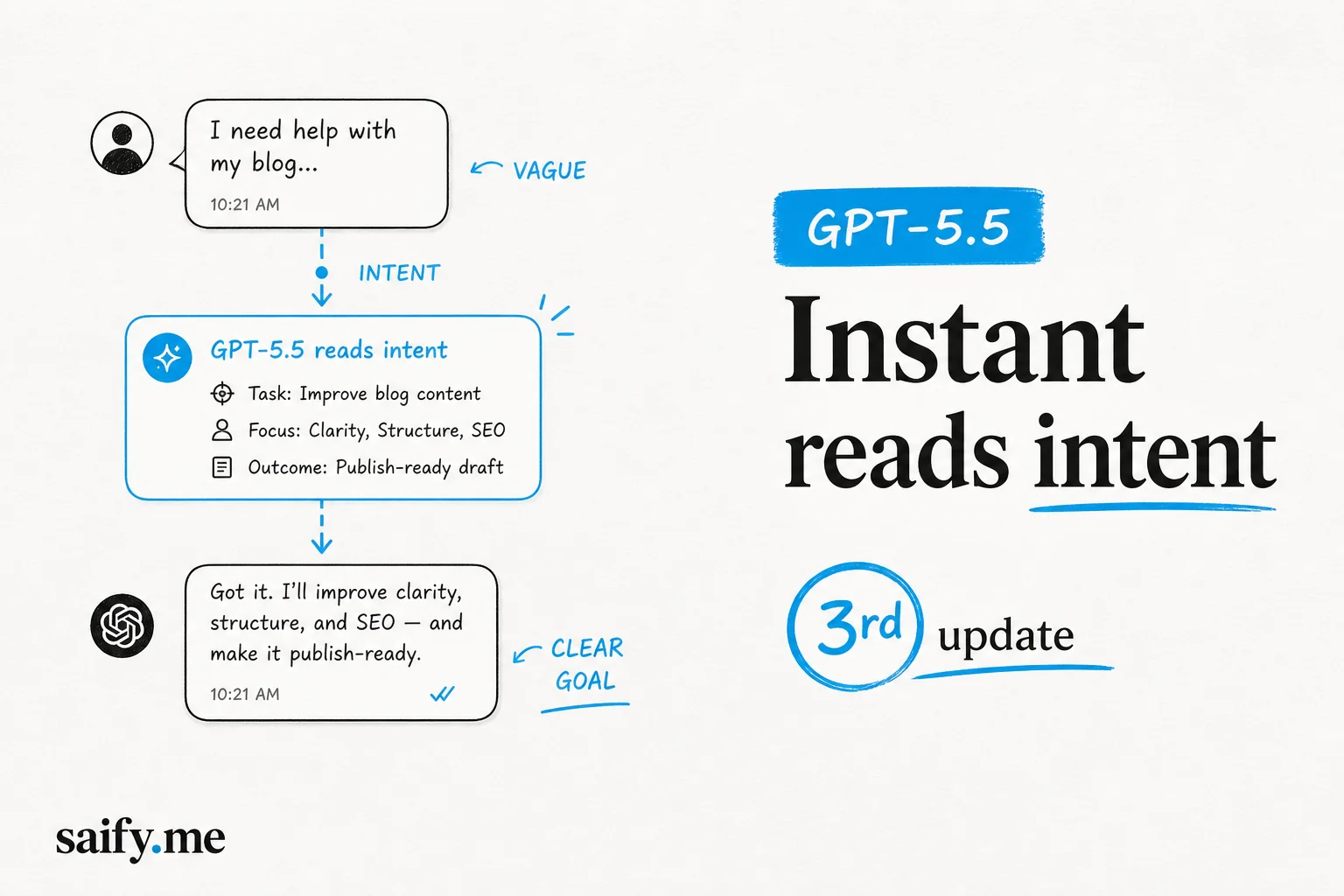
OpenAI's third behavioral tune to GPT-5.5 Instant improves intent reading, multi-constraint instructions, and shopping or local recommendations. Paid ChatGPT users got it June 24; free users June 25. API access via chat-latest alias.
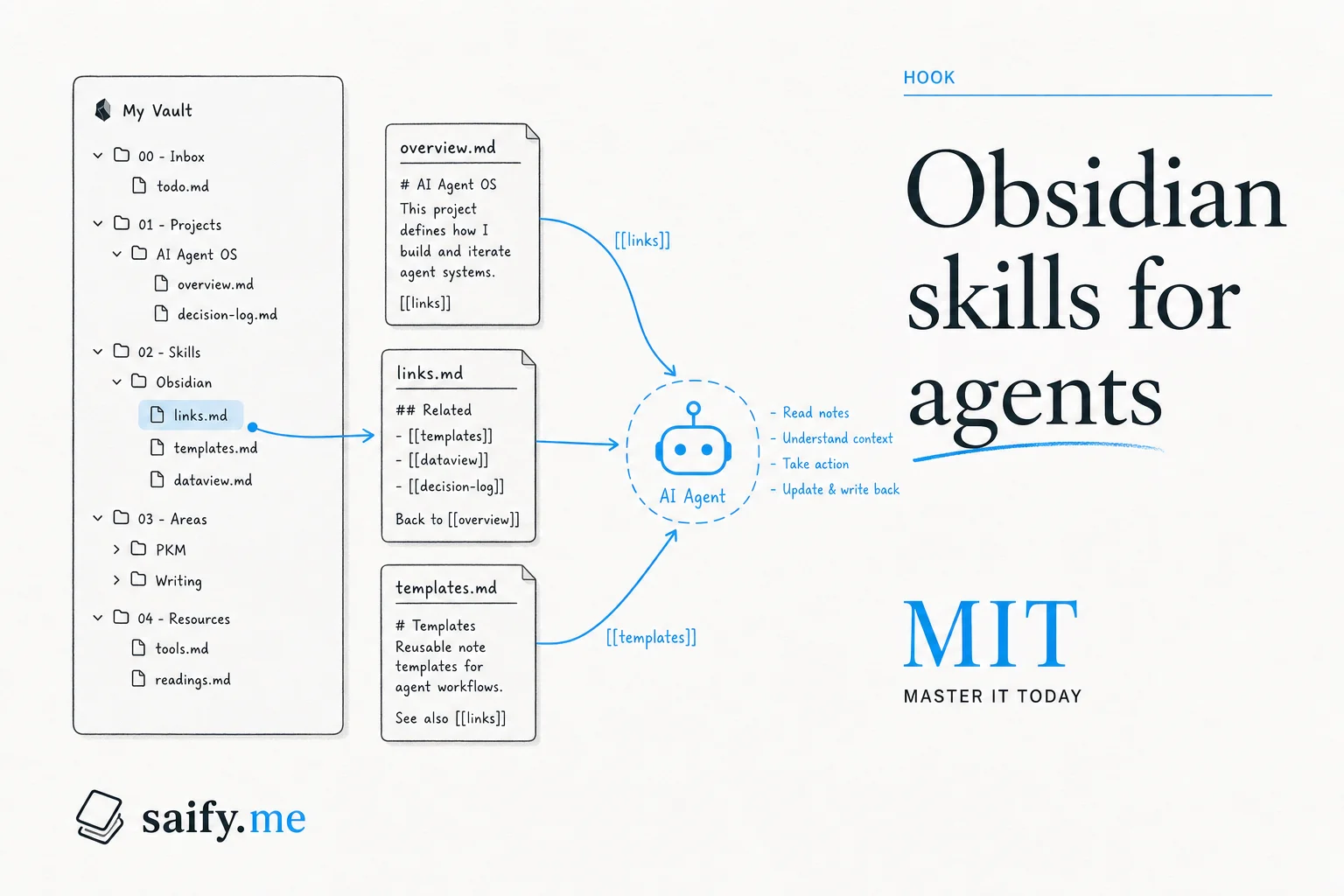
Steph Ango (Kepano) published obsidian-skills under MIT: five Agent Skills packs for wikilinks, Bases, JSON Canvas, CLI, and Defuddle web extraction. Install into Claude Code, Codex, or OpenCode so agents stop breaking Obsidian syntax.
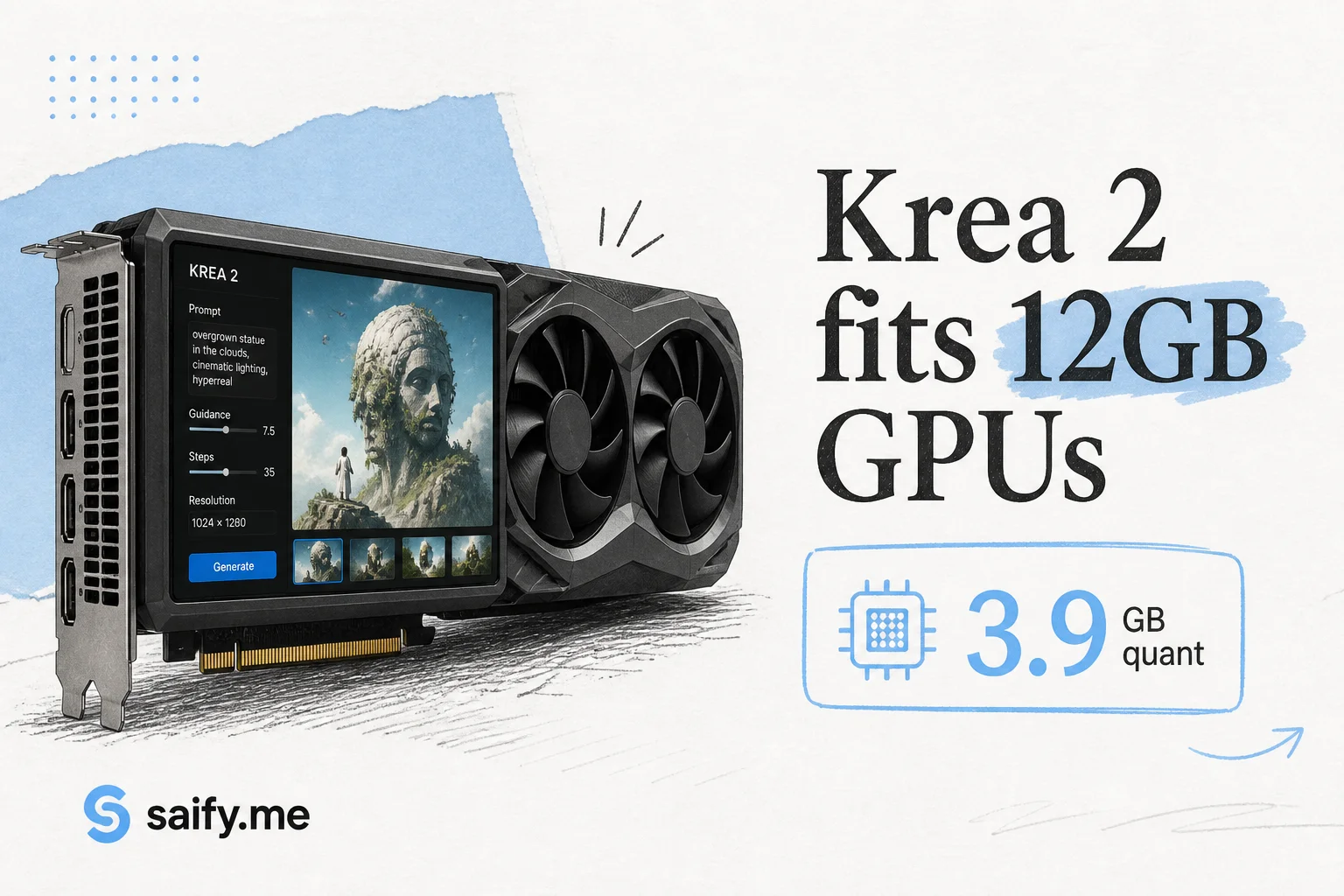
Krea AI open-sourced Krea 2, a 12.9B-parameter diffusion transformer trained from scratch. Turbo runs in 8 steps on GGUF quants that fit 12GB VRAM. Raw is the fine-tune base; Turbo is what you ship.
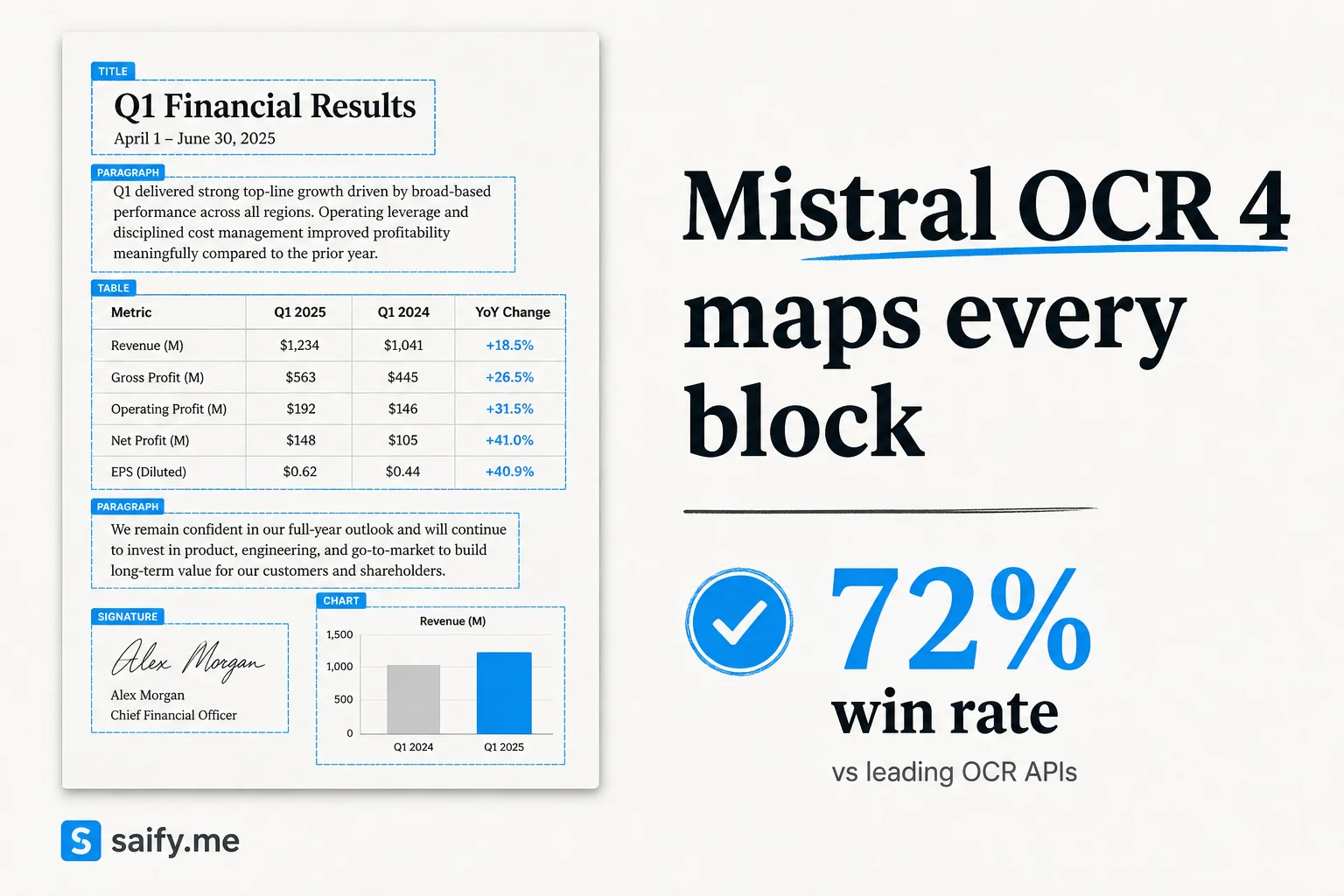
Mistral OCR 4 adds paragraph-level bounding boxes, 13 block types, and inline confidence scores across 170 languages. At $4 per 1,000 pages it is built for RAG chunking, agent grounding, and self-hosted document pipelines.
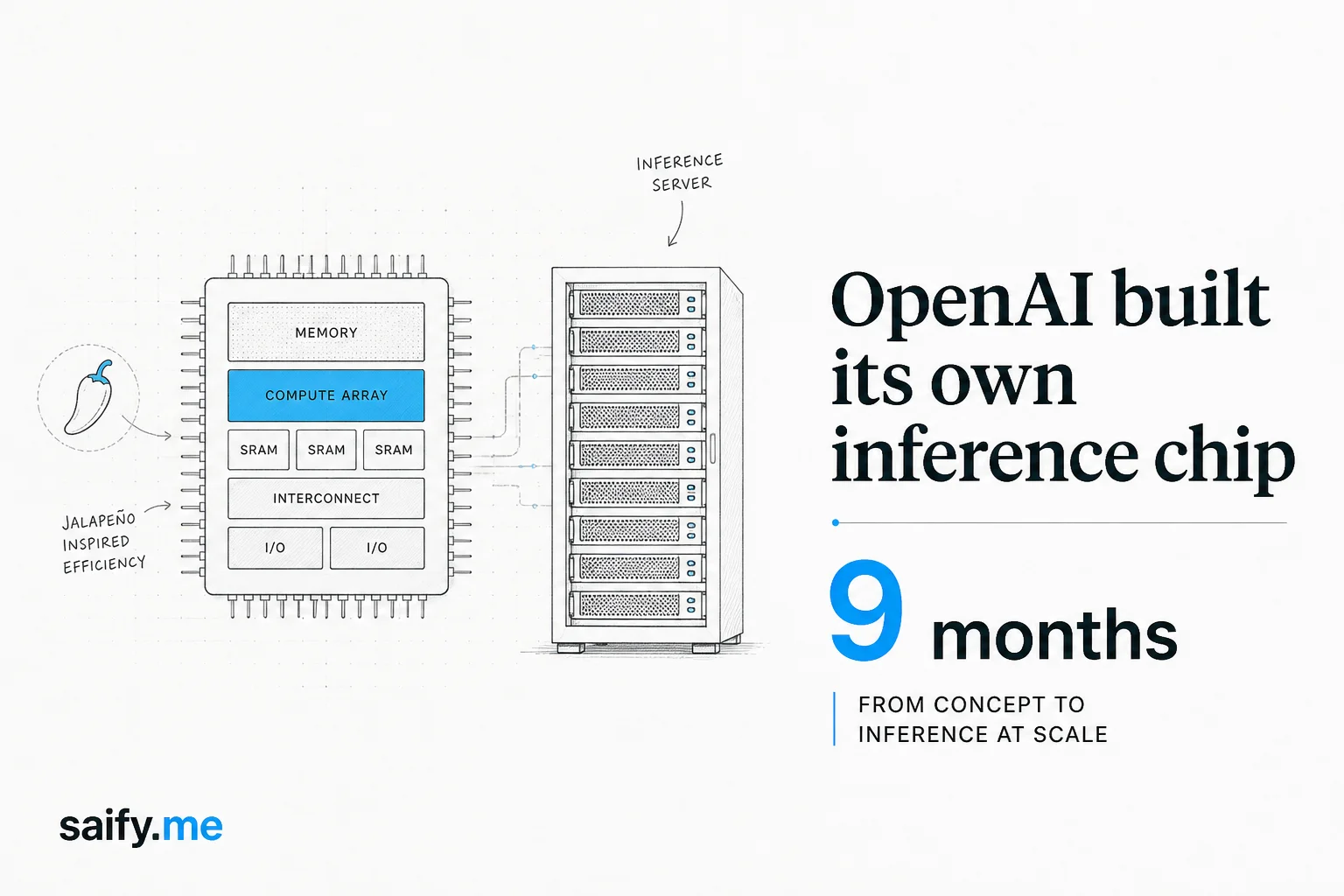
Jalapeño is OpenAI's first custom Intelligence Processor, co-built with Broadcom in nine months for LLM inference. Early benchmarks show 1.5x to 3.6x better latency per watt than today's GPU racks, with volume deployment starting late 2026.
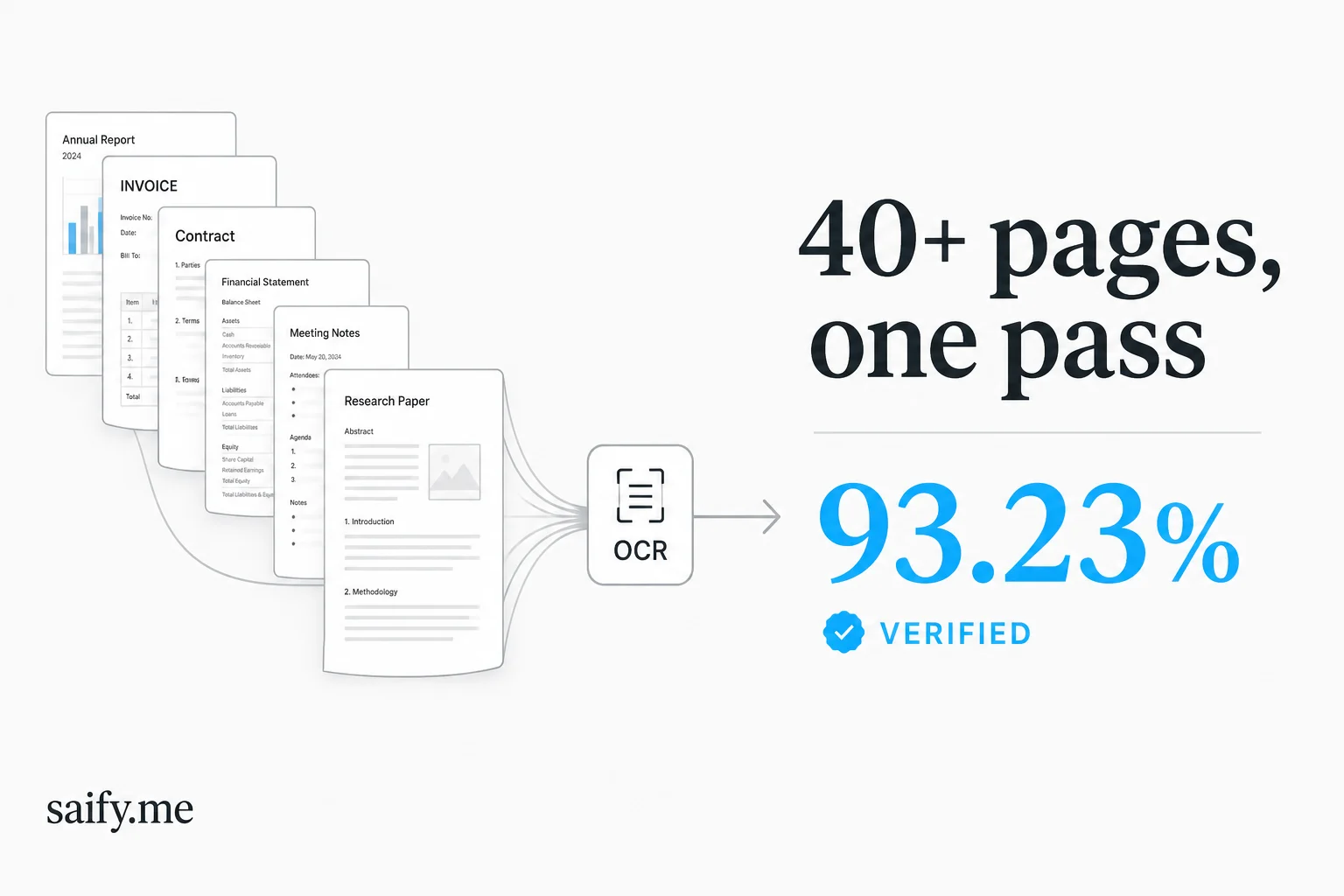
A 3B MoE model with Reference Sliding Window Attention parses long PDFs in a single forward pass. Here is when it beats page-by-page OCR pipelines for RAG and document automation.
Clips is a free open-source Loom alternative where share links expose agent-readable transcripts and metadata. Built on the Agent-Native framework so UI and agents share the same actions.