4 min read
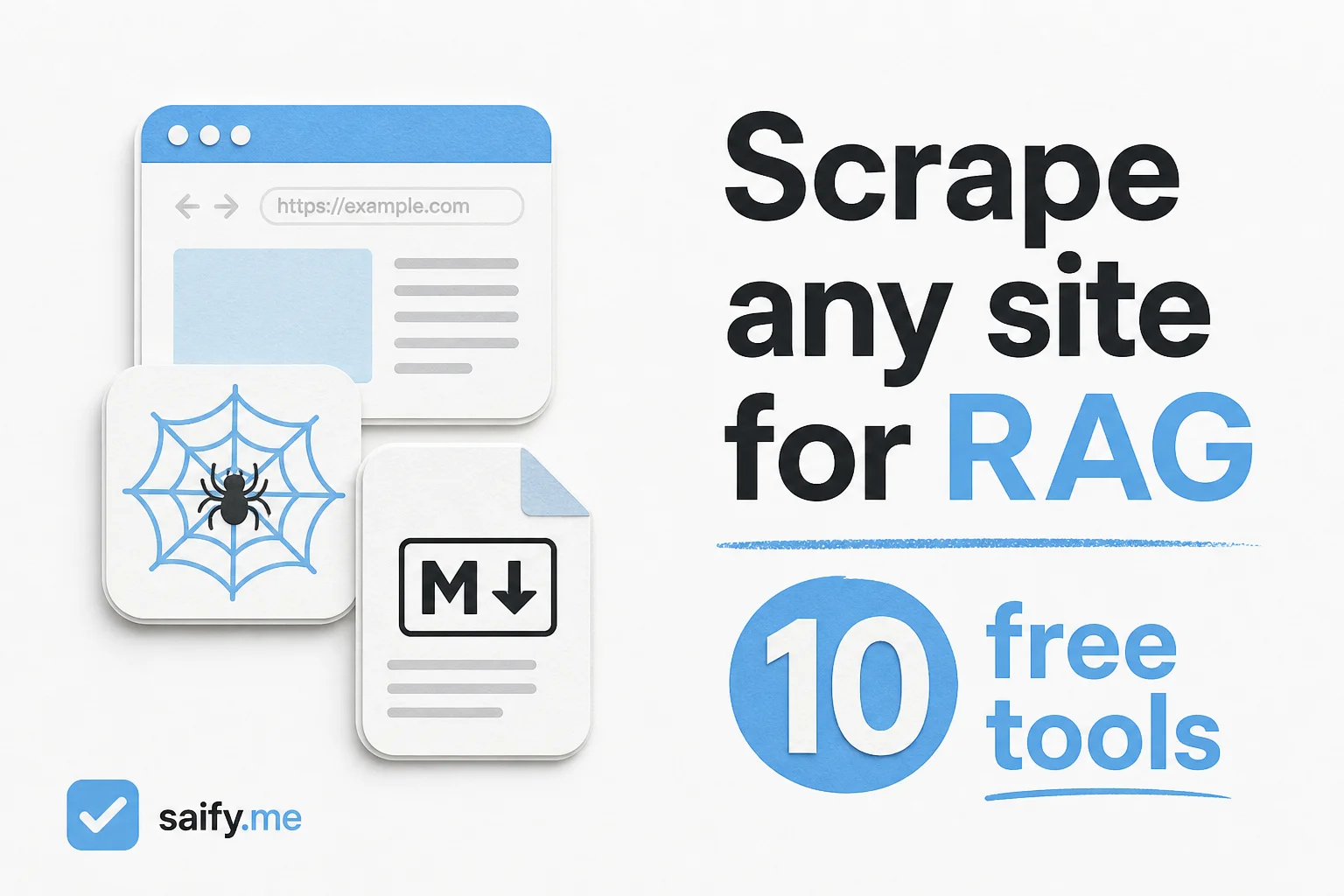
Ten open-source scraping tools that replace paid…
Firecrawl, browser-use, Crawl4AI, MarkItDown, and Crawlee can build training and RAG pipelines without $2,000/month scraper contracts. Here is the stack I actually wire for clients.
Notes from the trenches on AI engineering, LLM apps, and the full-stack work that holds it all together.
Firecrawl, browser-use, Crawl4AI, MarkItDown, and Crawlee can build training and RAG pipelines without $2,000/month scraper contracts. Here is the stack I actually wire for clients.
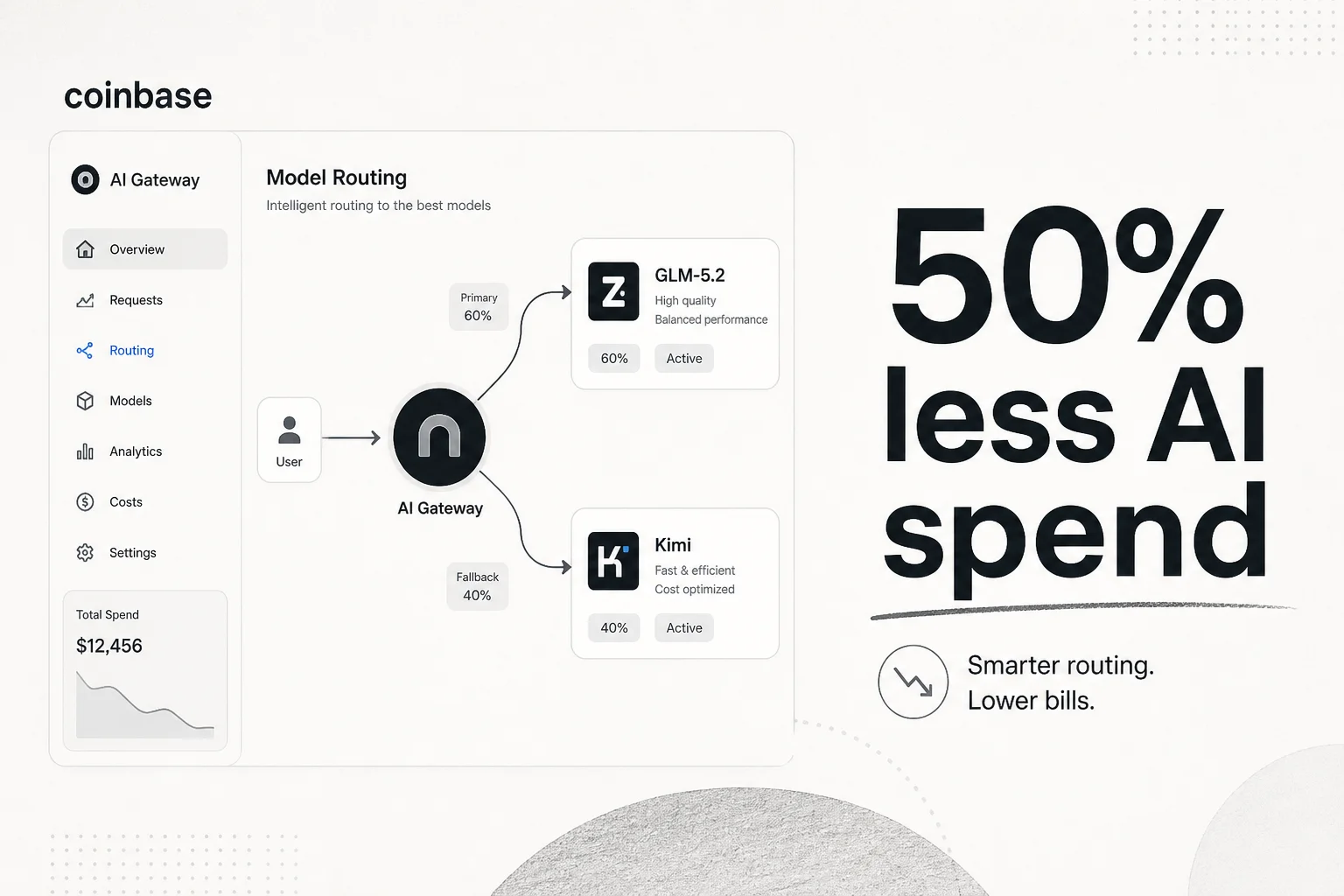
Brian Armstrong's team runs 1,200 AI agents, defaults to GLM-5.2 and Kimi K2.7, and automated model selection. Five levers any engineering org can copy without a crypto-scale budget.
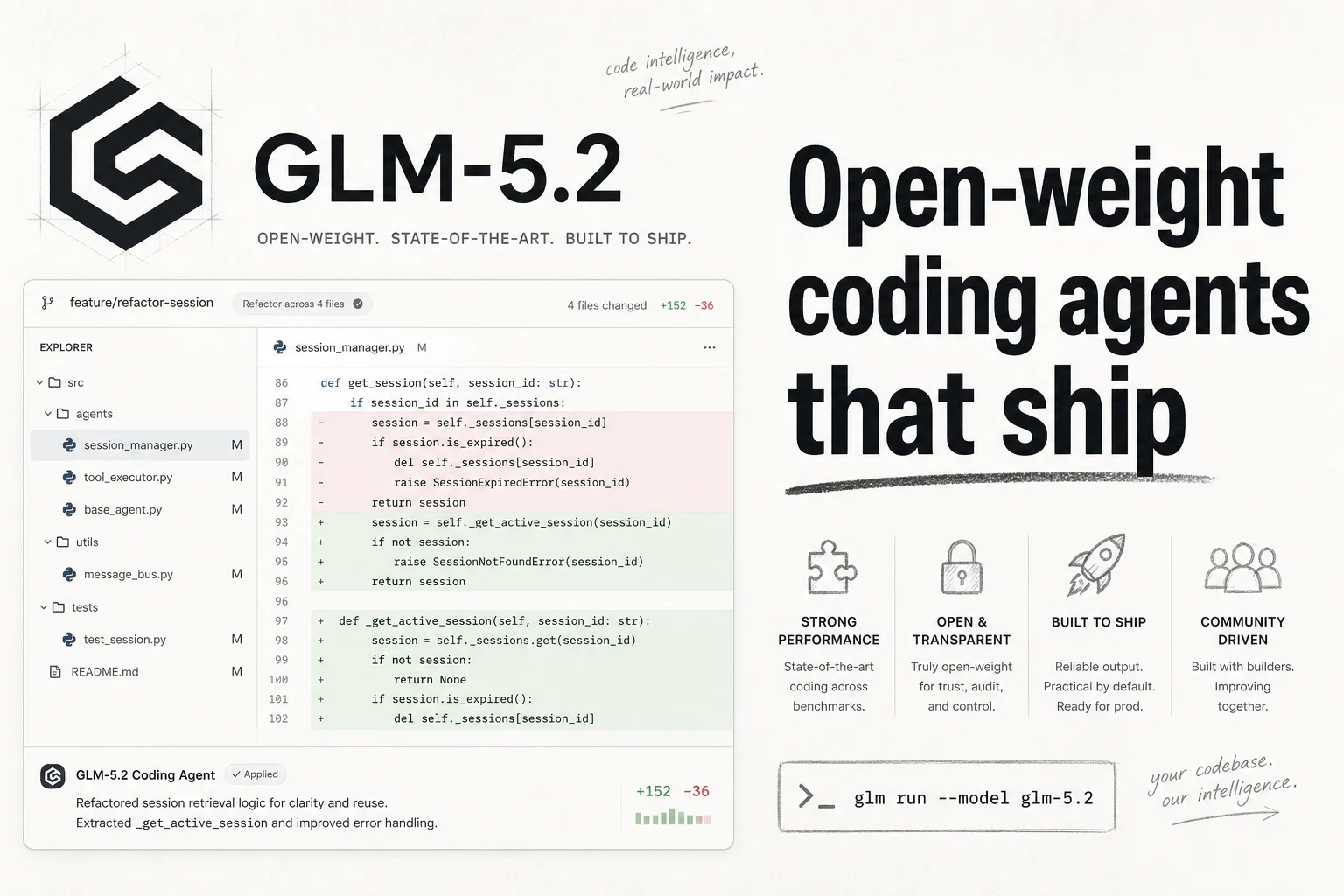
Z.ai's MIT-licensed GLM-5.2 ships 1M-token context, beats GPT-5.5 on several coding benches, and costs a fraction of Opus. Here's what production tests show, where it still breaks, and how I'd route it.
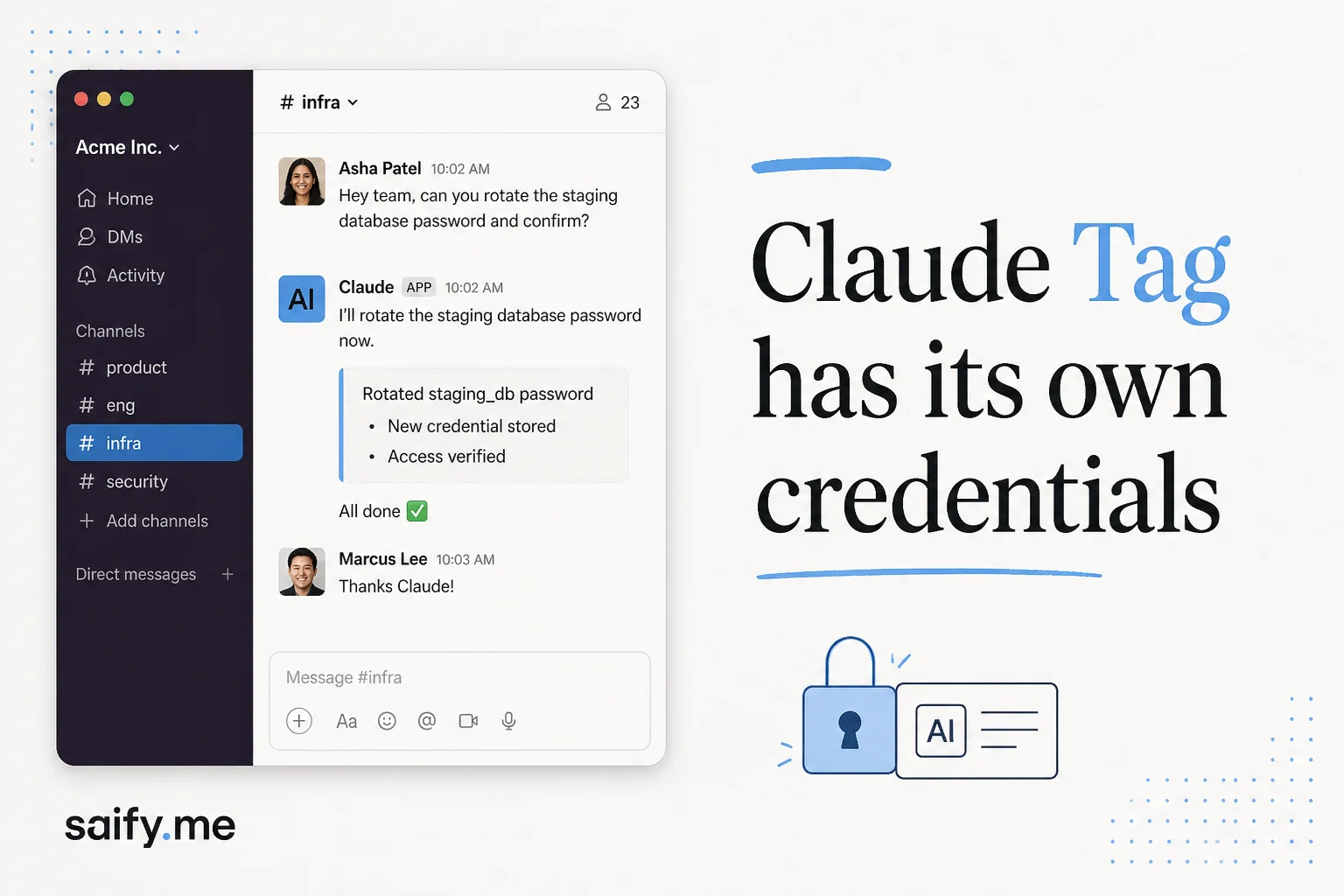
Anthropic's Claude Tag embeds Claude in Slack with agent identity: service accounts per tool, channel-scoped access bundles, and audit trails that never borrow a human's OAuth token.
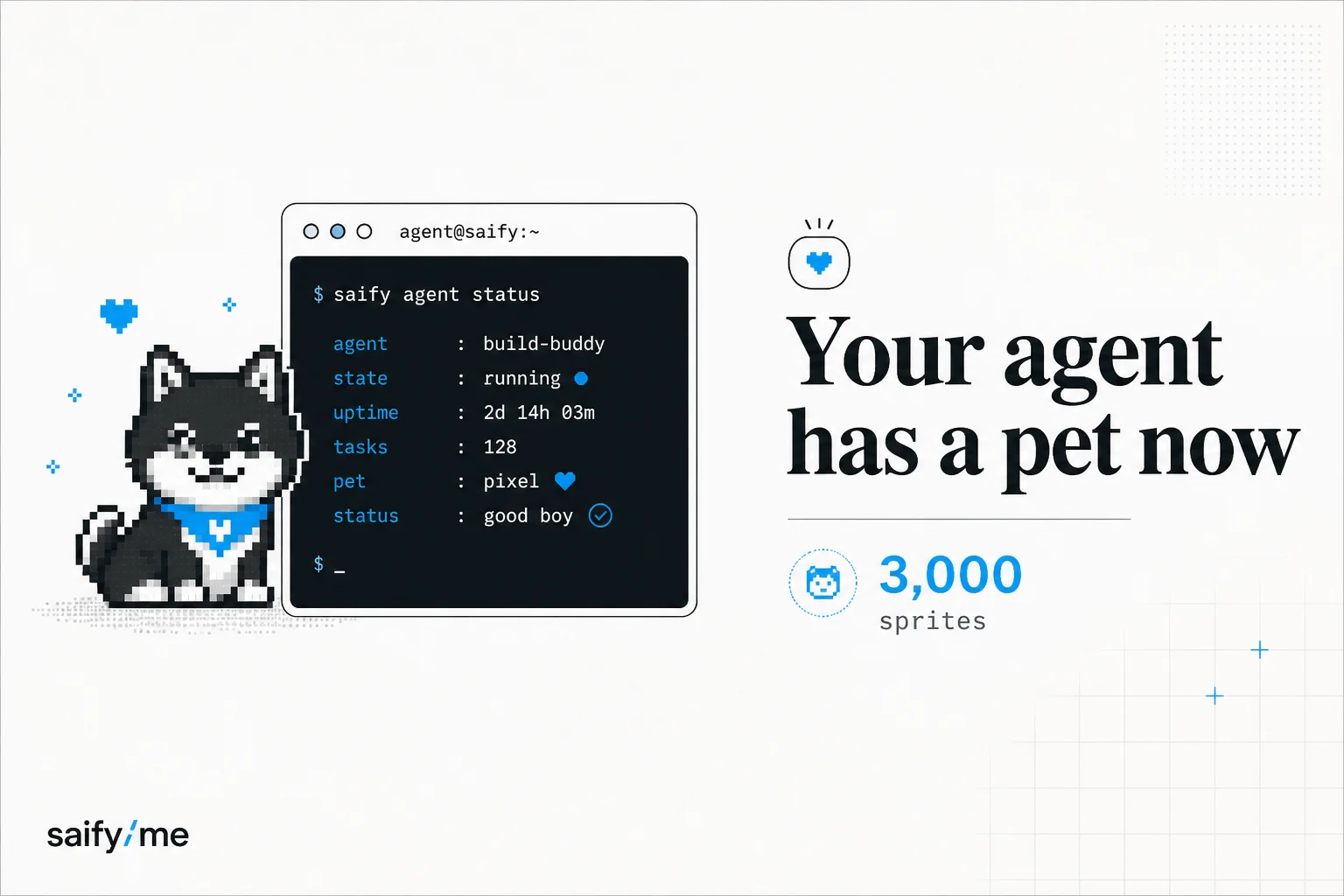
Nous Research added 3,000+ animated petdex sprites to Hermes Agent. Pets map idle, thinking, tool runs, and failures to pixel animations across CLI, TUI, and desktop with zero token cost.
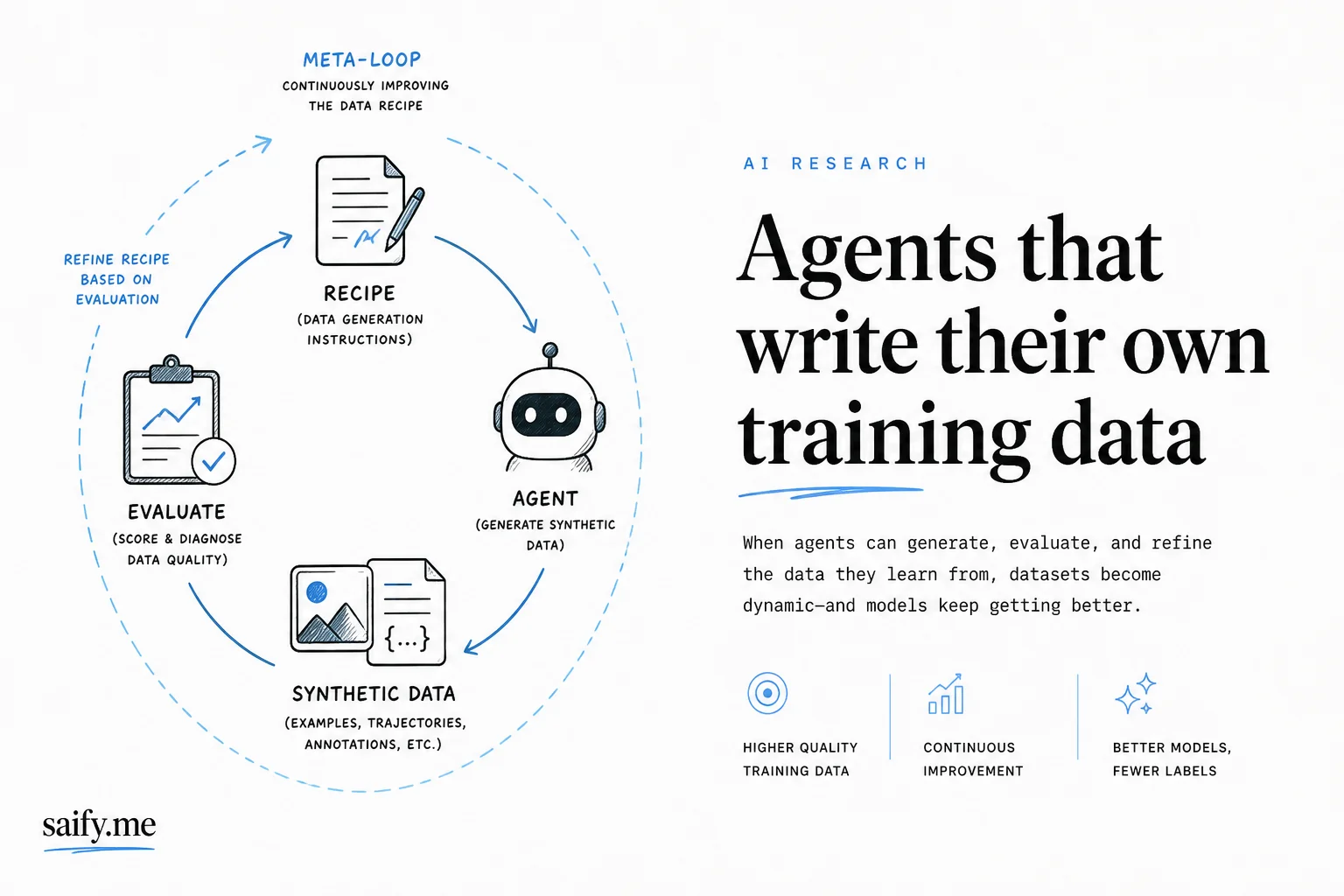
Jason Weston's Autodata at Meta FAIR treats agents as data scientists: inner loops build and score synthetic data, outer loops meta-optimize the agent so it learns better curation strategies.
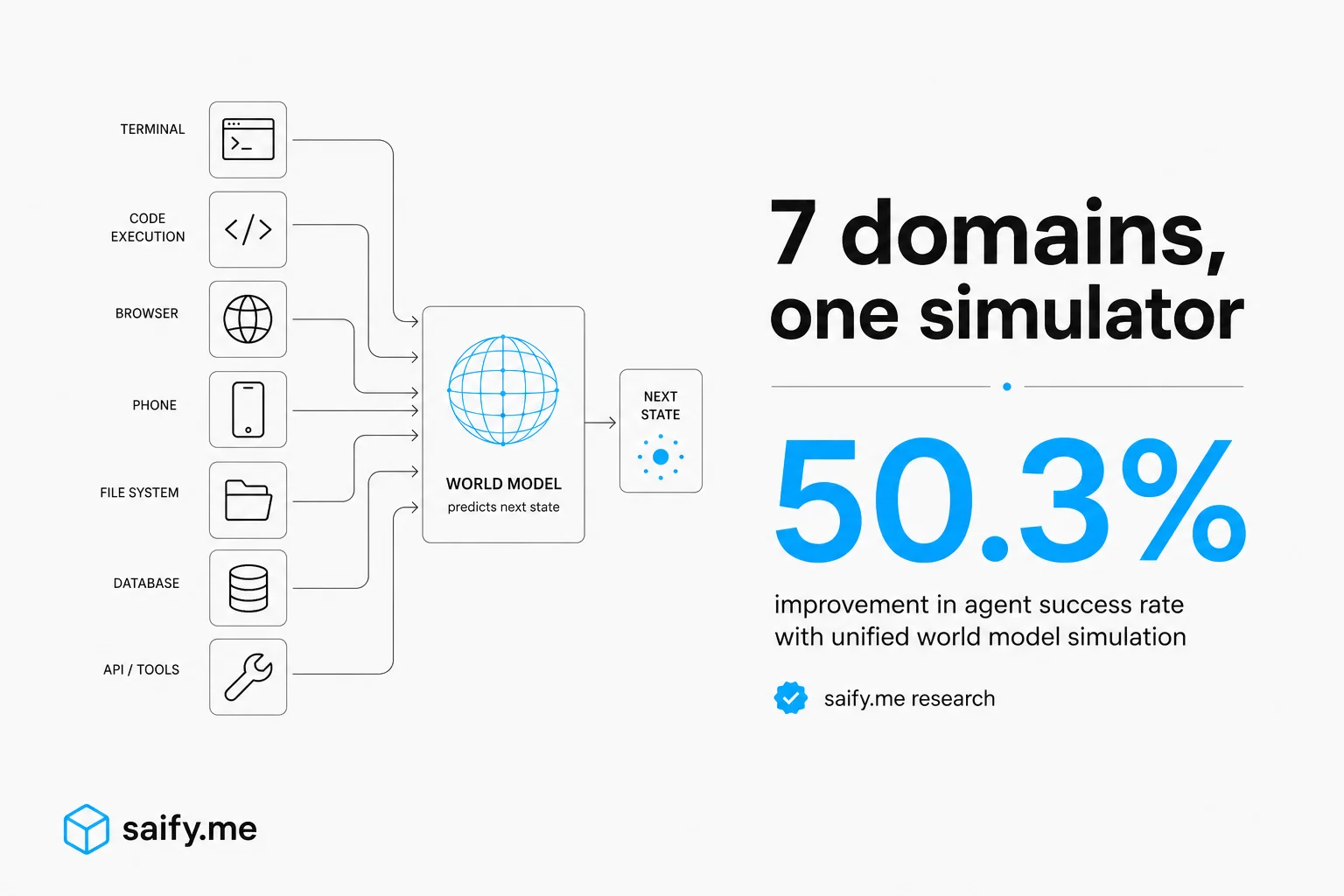
Qwen-AgentWorld is a 35B Apache 2.0 world model that predicts terminal, web, and MCP responses so you can train agents without spinning real sandboxes. Sim RL beat real RL on live search.
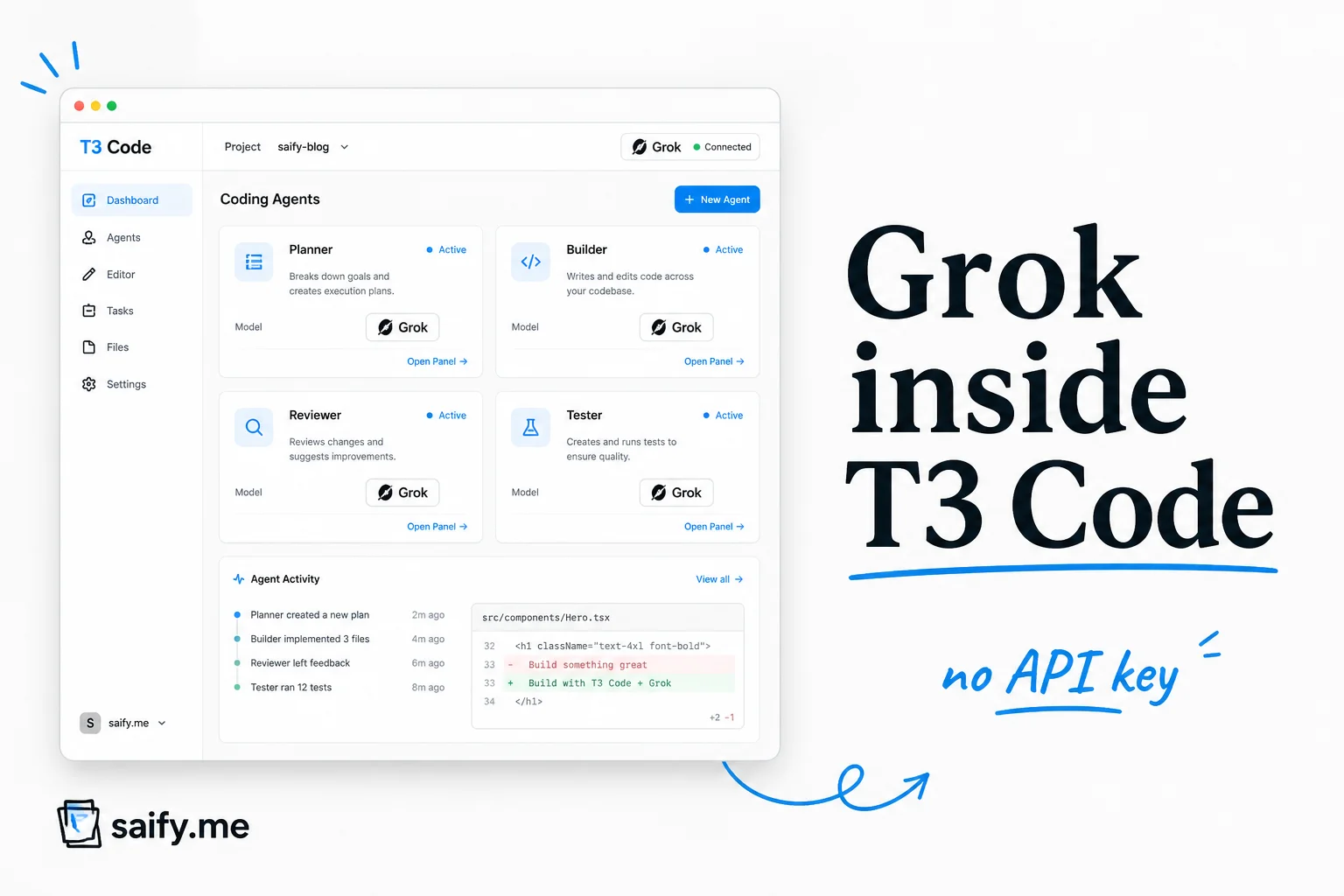
Theo Browne's T3 Code GUI added Grok via ACP and X or SuperGrok OAuth. No API key, same subscription you already pay for, alongside Claude Code and Codex in one dashboard.